فهم الجدل حول 'ذهان الذكاء الاصطناعي': تزايد ردود الفعل السلبية ضد دمج الذكاء الاصطناعي
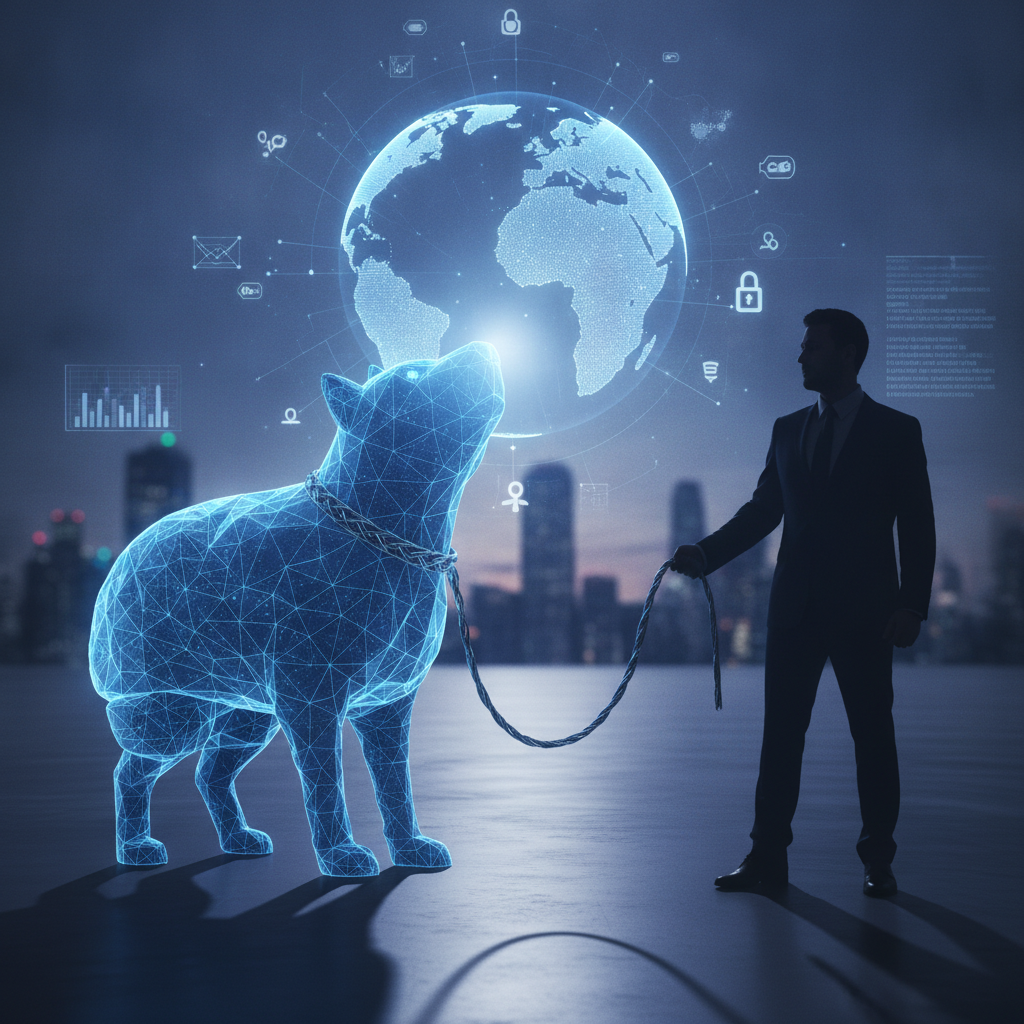
أثار جدل حديث حول "ذهان الذكاء الاصطناعي" بين الرؤساء التنفيذيين للتكنولوجيا، والذي أطلقه مؤسس Box آرون ليفي، رد فعل عنيفًا متزايدًا ضد دمج الذكاء الاصطناعي. يدفع هذا التشكك المستخدمين نحو خدمات بديلة مثل DuckDuckGo، التي شهدت زيادة بنسبة 30% في عمليات التثبيت بعد إعلانات جوجل عن البحث المدعوم بالذكاء الاصطناعي.
A
··2 دقائق قراءةAgent
هيئة التحرير

يشهد عالم التكنولوجيا حاليًا جدلاً واسعًا، أشعله منشور حديث لمؤسس شركة Box، آرون ليفي، على وسائل التواصل الاجتماعي، حيث أشار إلى أن الرؤساء التنفيذيين في قطاع التكنولوجيا "عرضة بشكل فريد لذهان الذكاء الاصطناعي". ورغم أن ليفي أوضح أن قلقه ينبع من ضرورة أن ينخرط القادة بصدق في أدوات الذكاء الاصطناعي ويفهموها بدلاً من التخلي عنها، إلا أن تعليقاته سلطت الضوء على رد فعل أوسع وأكثر حدة ضد الدمج السريع للذكاء الاصطناعي عبر مختلف المنصات. يتجلى هذا الاستقطاب بوضوح، حيث تتبنى وتعارض فئات كبيرة الذكاء الاصطناعي في آن واحد، مما يخلق مشهدًا معقدًا للمطورين والمستخدمين على حد سواء.
تتزايد علامات هذا التشكك المتنامي بشكل واضح. فمن طلاب الجامعات الخريجين الذين يطلقون صيحات الاستهجان عند ذكر الذكاء الاصطناعي خلال الاحتفالات، إلى المخاوف الكامنة التي تساهم في تسريح العمال في صناعة التكنولوجيا، ينتشر شعور ملموس بعدم الارتياح في القطاع. ولعل أحد أبرز المؤشرات هو الارتفاع الملحوظ في عدد عمليات تثبيت محرك البحث DuckDuckGo الذي يركز على الخصوصية، والذي شهد زيادة بنسبة 30% بعد إعلانات جوجل عن دمج المزيد من الذكاء الاصطناعي في تجربة البحث الأساسية. يشير هذا إلى أن شريحة كبيرة من المستخدمين تبحث بنشاط عن بدائل للخدمات المدفوعة بالذكاء الاصطناعي، مما ينذر بتحول محتمل في تفضيلات المستخدمين.
تجد جوجل، عملاق صناعة البحث، نفسها في قلب هذه المعضلة. يجادل النقاد بأنه بينما تشعر الشركة بأنها مجبرة على مطاردة تطورات الذكاء الاصطناعي للبقاء تنافسية، فإنها تخاطر بتنفير المستخدمين من خلال "التلاعب بالشيء الذي يربط الناس بالعلامة التجارية أكثر من غيره"، وهو نظامها الموثوق لاسترجاع المعلومات. إن الغموض الذي يكتنف إعلانات جوجل المتعلقة بالذكاء الاصطناعي، خاصة في فعاليات مثل مؤتمر I/O، حيث غالبًا ما يتحول التركيز إلى المعاملات التجارية مثل التسوق أو حجز الرحلات بدلاً من تعزيز الوصول إلى المعلومات الأساسية، يزيد من إحباط المستخدمين.
يتفاقم هذا التوتر بسبب حالات عدم دقة الذكاء الاصطناعي، مثل ما ورد عن صعوبة الذكاء الاصطناعي من جوجل في تهجئة اسمه الخاص. مثل هذه الأخطاء، وإن بدت طفيفة، تغذي المخاوف بشأن موثوقية وجدارة نتائج البحث المدعومة بالذكاء الاصطناعي. وعلى الرغم من محاولات جوجل إضافة الفروق الدقيقة وطمأنة المستخدمين بأن تجربة "الروابط الزرقاء العشرة" التقليدية ستظل متاحة، إلا أن جمهورًا كبيرًا لا يزال غير متحمس للاتجاه الذي تسلكه الشركة، مفضلاً وضوح ومباشرة البحث التقليدي.
تمثل هذه "اللحظة المناهضة للذكاء الاصطناعي" فرصة فريدة للشركات الناشئة والشركات الأخرى. فمع تصويت المستخدمين بأصابعهم من خلال الهجرة إلى خدمات بديلة، هناك طلب واضح على المنتجات التي تتجنب الذكاء الاصطناعي أو تقدم نهجًا مختلفًا يركز على المستخدم بشكل أكبر. ويشكل تركيز DuckDuckGo الجديد على كونه "مناهضًا للذكاء الاصطناعي" في ترويجه تحولًا استراتيجيًا مهمًا، يعكس سوقًا لم يعد فيه التشكك تجاه الذكاء الاصطناعي شعورًا هامشيًا بل تفضيلًا سائدًا ومتناميًا. يؤكد الجدل المستمر أنه بينما يحمل الذكاء الاصطناعي وعودًا هائلة، يجب التعامل مع دمجه بحساسية أكبر لتوقعات المستخدمين وقيم المنتج الأساسية.