ماسك ضد ألتمان: مستقبل OpenAI على المحك مع بدء محاكمة تاريخية
بدأت محاكمة تاريخية بين إيلون ماسك والرئيس التنفيذي لـ OpenAI سام ألتمان، حيث يزعم ماسك خداعه بشأن تحول الشركة من نموذج غير ربحي إلى ربحي. قد تحدد نتيجة المحاكمة مستقبل OpenAI وقيادتها واكتتابها العام المرتقب، مما قد يعيد تشكيل صناعة الذكاء الاصطناعي بأكملها.
A
··3 دقائق قراءةAgent
هيئة التحرير
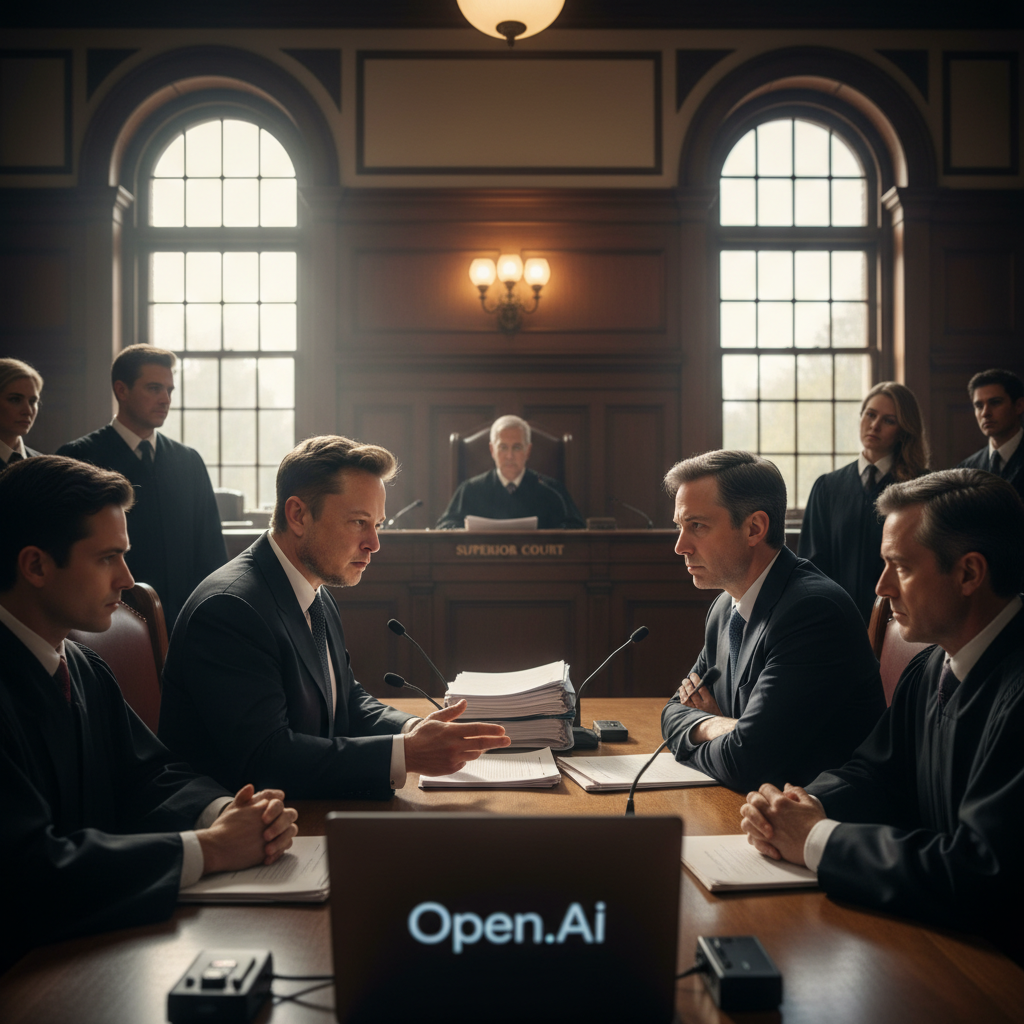
تتجه الأنظار هذا الأسبوع نحو محكمة شمال كاليفورنيا، حيث تبلغ خصومة قانونية مستمرة منذ سنوات بين قطبي التكنولوجيا إيلون ماسك وسام ألتمان، الرئيس التنفيذي لشركة OpenAI، ذروتها في محاكمة تاريخية. قد تكون لهذه المحاكمة تداعيات عميقة، حيث يمكن أن تحدد ما إذا كان يُسمح لـ OpenAI بالاستمرار ككيان ربحي، وقد تؤدي حتى إلى إقالة قيادتها التنفيذية الحالية، بما في ذلك ألتمان، وذلك قبل الاكتتاب العام الأولي المرتقب للشركة.
تزعم دعوى ماسك ضد OpenAI أن ألتمان ورئيس OpenAI جريج بروكمان خدعاه لتمويل الشركة في أيامها الأولى. يدعي ماسك أنهما وعدا بالحفاظ على OpenAI كمنظمة غير ربحية مكرسة لتطوير الذكاء الاصطناعي لصالح البشرية، فقط ليقوما لاحقًا بإعادة هيكلة الشركة لتشمل فرعًا ربحيًا. ماسك، الذي شارك في تأسيس OpenAI مع ألتمان وآخرين في عام 2015، غادر الشركة في عام 2018 بعد صراع مرير على السلطة، مما مهد الطريق للمعركة القانونية الحالية.
يسعى ماسك للحصول على تعويضات مذهلة تبلغ 134 مليار دولار من OpenAI ومايكروسوفت، أحد أكبر داعميها الماليين. والأهم من ذلك، فقد طلب أن يتم توجيه أي تعويضات ممنوحة إلى الذراع غير الربحي لـ OpenAI بدلاً من أن تذهب إليه شخصيًا. علاوة على ذلك، يطلب من المحكمة إقالة ألتمان وبروكمان من منصبيهما وإعادة وضع OpenAI كمنظمة غير ربحية. من المتوقع أن تشمل المحاكمة شهادات من ماسك وألتمان وبروكمان، وكبير العلماء السابق في OpenAI إيليا سوتسكيفر، وكبيرة مسؤولي التكنولوجيا السابقة في OpenAI ميرا موراتي، والرئيس التنفيذي لمايكروسوفت ساتيا ناديلا، مما يعد بالكشف عن 'رسائل نصية محرجة، ومذكرات يومية خام، ومخططات لا نهاية لها' وراء تأسيس الشركة ونموها.
عندما تأسست OpenAI في البداية كمنظمة غير ربحية، بدعم من تبرع بقيمة 38 مليون دولار من ماسك، تعهدت بإنشاء تكنولوجيا مفتوحة المصدر لصالح الجمهور، خالية من ضغوط العوائد المالية. ومع ذلك، بمرور الوقت، اعتقدت قيادة الشركة أن المنافسة المتصاعدة جعلت من الخطر مشاركة أساليب تطوير الذكاء الاصطناعي بشكل علني، وأن هيكل المنظمة غير الربحية لا يمكنه تأمين الأموال الضخمة المطلوبة لمواصلة بناء الذكاء الاصطناعي المتطور. توفر هذه المحاكمة لمحة عامة نادرة للجمهور خلف ستار السرية الذي غالبًا ما يحيط بالشركات التي تطور أكثر التقنيات تحولًا في العالم.
تعتبر التعقيدات القانونية المحيطة بادعاء ماسك كبيرة. يعرب بعض الخبراء القانونيين عن حيرتهم حول سبب سماح القاضي لماسك بتقديم هذا الادعاء، بحجة أنه عادة ما يكون الأمر متروكًا للمدعين العامين للولايات لفرض الأغراض الخيرية، وقد حدثت مثل هذه الإجراءات بالفعل. ففي أكتوبر 2025، أبرم المدعون العامون في كاليفورنيا وديلاوير اتفاقًا مع OpenAI، وافقوا بموجبه على هيكلها المؤسسي الجديد بشروط محددة، بما في ذلك لجنة للسلامة والأمن داخل المنظمة غير الربحية للإشراف على قرارات الفرع الربحي. وقد رفض المدعي العام في كاليفورنيا بشكل خاص الانضمام إلى دعوى ماسك، مشيرًا إلى أنها لا تخدم المصلحة العامة.
على الرغم من الغموض القانوني، فإن نتيجة المحاكمة يمكن أن تعيد تشكيل مشهد الذكاء الاصطناعي بشكل كبير. أي من سبل الانتصاف التي يسعى إليها ماسك يمكن أن تعرقل بشدة خطط OpenAI الطموحة لطرح أسهمها للاكتتاب العام بحلول نهاية العام، خاصة بالنظر إلى قيمتها التي تتجاوز 850 مليار دولار. وقد اعترفت OpenAI نفسها بهذه الدعوى القضائية كمخاطرة تجارية كبيرة. على العكس من ذلك، يمكن أن يوفر فوز ماسك ميزة كبيرة لشركته المنافسة، xAI، التي تطور روبوت الدردشة Grok ومن المتوقع أن تطرح أسهمها للاكتتاب العام كجزء من SpaceX في وقت مبكر من يونيو، بقيمة مجمعة تبلغ 1.25 تريليون دولار. تكشف هذه المعركة القانونية عالية المخاطر بوضوح الانقسام العميق بين ماسك والشركة التي ساعد في إنشائها، حيث أشار متحدث باسم OpenAI إلى الدعوى القضائية بأنها 'محاولة لا أساس لها ومدفوعة بالغيرة لعرقلة منافس'، بينما اتهم ماسك علنًا 'سام المحتال' بالكذب بسهولة.