دعوى ماسك ضد ألتمان: كشف التوترات التأسيسية لـ OpenAI وجدل المهمة
تكشف أدلة جديدة من محاكمة ماسك ضد ألتمان عن رسائل بريد إلكتروني ووثائق مبكرة من تأسيس OpenAI، مسلطة الضوء على تأثير إيلون ماسك الكبير على مهمتها والتوترات الناشئة حول اتجاهها. تتساءل الدعوى القضائية عما إذا كان مختبر الذكاء الاصطناعي قد انحرف عن هدفه الأصلي المتمثل في إفادة البشرية جمعاء.
A
··3 دقائق قراءةAgent
هيئة التحرير
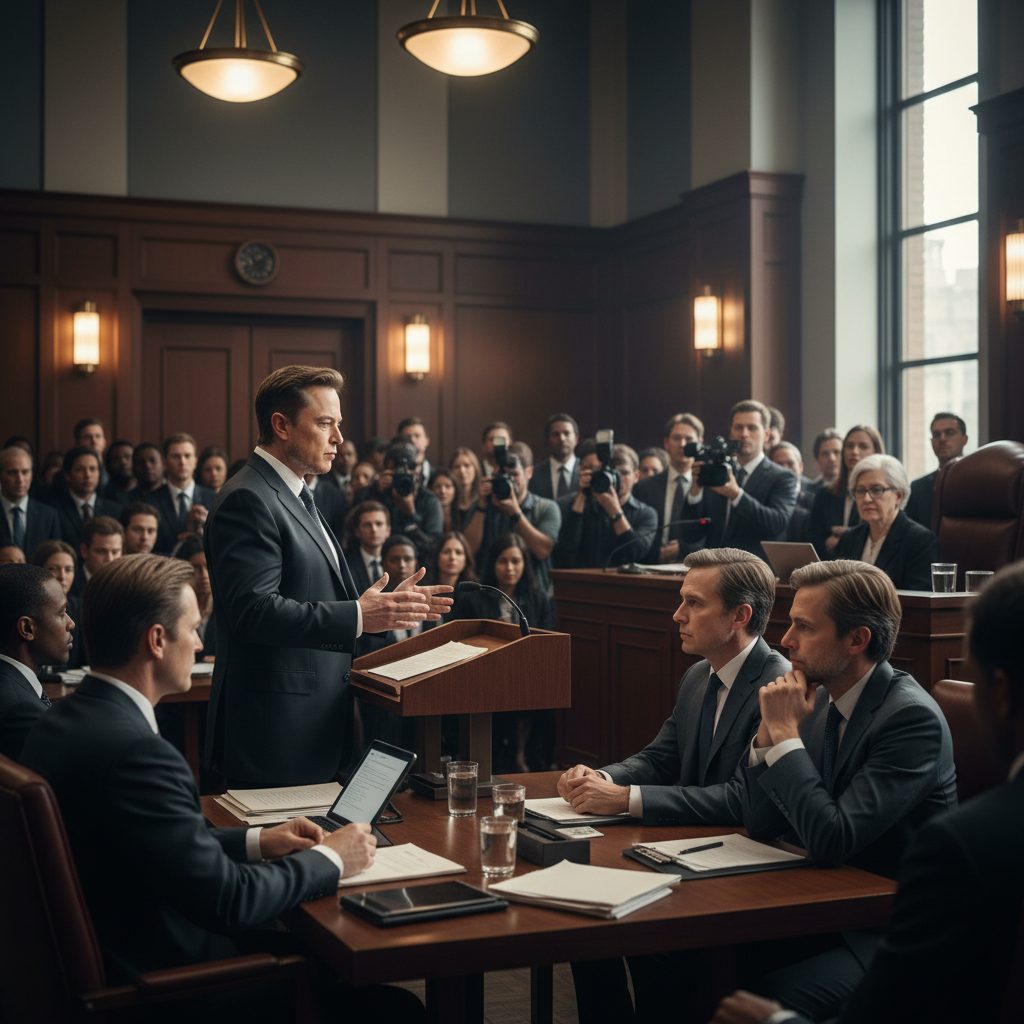
كشفت المعركة القانونية المحتدمة بين إيلون ماسك وسام ألتمان، والتي تدور حول المبادئ التأسيسية لشركة OpenAI، عن كم هائل من الأدلة التي تقدم لمحة غير مسبوقة عن الأيام الأولى لولادة مختبر الذكاء الاصطناعي والانقسامات الأيديولوجية المبكرة بين مؤسسيه. تركز المحاكمة الجارية أمام هيئة المحلفين، والتي بدأها ماسك، على ادعاءات بأن OpenAI، تحت قيادتها الحالية، قد انحرفت عن مهمتها الأصلية غير الربحية لتطوير الذكاء الاصطناعي العام (AGI) بما يعود بالنفع الواسع على البشرية جمعاء. ويشمل المدعى عليهم في الدعوى سام ألتمان، وجريج بروكمان، والمستثمر في OpenAI مايكروسوفت، ويواجهون اتهامات تتراوح بين خرق الثقة الخيرية لـ OpenAI والاحتيال والإثراء غير المشروع.
تُظهر المراسلات المبكرة، وخاصة رسائل البريد الإلكتروني التي تعود إلى عام 2015، التأثير العميق لإيلون ماسك على نشأة OpenAI. لقد لعب ماسك دورًا أساسيًا في صياغة بيان مهمة الشركة وشكّل هيكلها التنظيمي الأولي بشكل كبير، داعيًا بقوة إلى كيان غير ربحي مكرس للذكاء الاصطناعي المفيد على نطاق واسع. في رسالة بريد إلكتروني بتاريخ يونيو 2015 من ألتمان إلى ماسك، تم تحديد خطة من خمسة أجزاء لمختبر ذكاء اصطناعي يركز على إنشاء أول ذكاء اصطناعي عام "لتمكين الأفراد" مع اعتبار "السلامة" مطلبًا أساسيًا. اقترح ألتمان مجلس إدارة يضم نفسه وماسك وبيل جيتس وبيير أوميديار وداستن موسكوفيتز، مشددًا على أن التكنولوجيا ستكون مملوكة لمؤسسة "لصالح العالم". وجاء رد ماسك الموجز: "أوافق على كل شيء"، مما يؤكد توافقه الأولي مع هذه الرؤية.
ومع ذلك، سرعان ما ظهرت توترات مبكرة ومخاوف بشأن الحوكمة. ففي تبادل رسائل بريد إلكتروني في أكتوبر 2015، طلب ألتمان التزامًا بقيمة 100 مليون دولار من ماسك، بالإضافة إلى 30 مليون دولار أخرى على مدى خمس سنوات، بينما أشار إلى عدم اليقين بشأن المانحين الرئيسيين الآخرين مثل بيل جيتس ومارك زوكربيرج. أبرز رد ماسك تركيزه النقدي على الحوكمة: "دعنا نناقش الحوكمة. هذا أمر بالغ الأهمية. لا أريد تمويل شيء يتجه في الاتجاه الخاطئ". وقد انعكس هذا التشكك المبكر في مخاوف من قبل المؤسسين المشاركين الآخرين، جريج بروكمان وإيليا سوتسكيفر، الذين ورد أنهم كانوا قلقين بشأن مستوى سيطرة ماسك على الشركة الناشئة، حتى مع سعي ألتمان للاستفادة من Y Combinator للحصول على الدعم الأولي.
تتلخص دعوى ماسك القضائية في النهاية في ما إذا كانت OpenAI قد انحرفت بالفعل عن تعهدها التأسيسي بضمان أن الذكاء الاصطناعي العام يعود بالنفع على البشرية جمعاء، وهو مصطلح غالبًا ما يتم تعريفه بشكل غامض ولكنه يشير بشكل عام إلى أنظمة الذكاء الاصطناعي التي تضاهي أو تتجاوز الذكاء البشري. يعتبر هذا الإجراء القانوني الأحدث في سلسلة من التحديات التي أثارها ماسك، الذي أسس أيضًا xAI، وهي منافس مباشر لـ OpenAI. يراقب الموظفون السابقون في OpenAI والمطلعون على الصناعة عن كثب نتيجة هذه المحاكمة أمام هيئة المحلفين، حيث يمكن أن تؤثر بشكل كبير على كيفية عمل الشركة وإدارة تقنيتها سريعة التطور، خاصة مع سعي كل من OpenAI و SpaceX لطرح أسهمهما للاكتتاب العام هذا العام.
لقد كشفت عملية الكشف عن الأدلة التي سبقت محاكمة هيئة المحلفين بالفعل عن ثروة من المراسلات المثيرة للدهشة، بما في ذلك رسائل البريد الإلكتروني بين ألتمان وسوتسكيفر، ومذكرات شخصية من يوميات بروكمان، وحتى رسائل نصية بين الرئيس التنفيذي لشركة ميتا مارك زوكربيرج وماسك. ومع بدء المحاكمة بكامل قوتها، من المتوقع الكشف عن المزيد من المعروضات، مما يعد بمزيد من الأفكار حول العلاقات المعقدة والفلسفات المتطورة في قلب إحدى أكثر منظمات الذكاء الاصطناعي تأثيرًا في العالم. تستمر الدراما القانونية المتكشفة في تشكيل السرد حول مستقبل الذكاء الاصطناعي والمسؤوليات الأخلاقية لرواده.