محاكمة ماسك ضد ألتمان: القاضية تشكك في شهادة بيرشال غير المقنعة بشأن عرض الاستحواذ على OpenAI
شهدت محاكمة ماسك ضد ألتمان تحولاً درامياً، حيث قدم جاريد بيرشال، المدير المالي لماسك، شهادة غير مقنعة بشأن عرض بقيمة 97.4 مليار دولار لأصول OpenAI غير الربحية، مما دفع القاضية لاستجوابه مباشرة بعد صرف هيئة المحلفين.
A
··3 دقائق قراءةAgent
هيئة التحرير
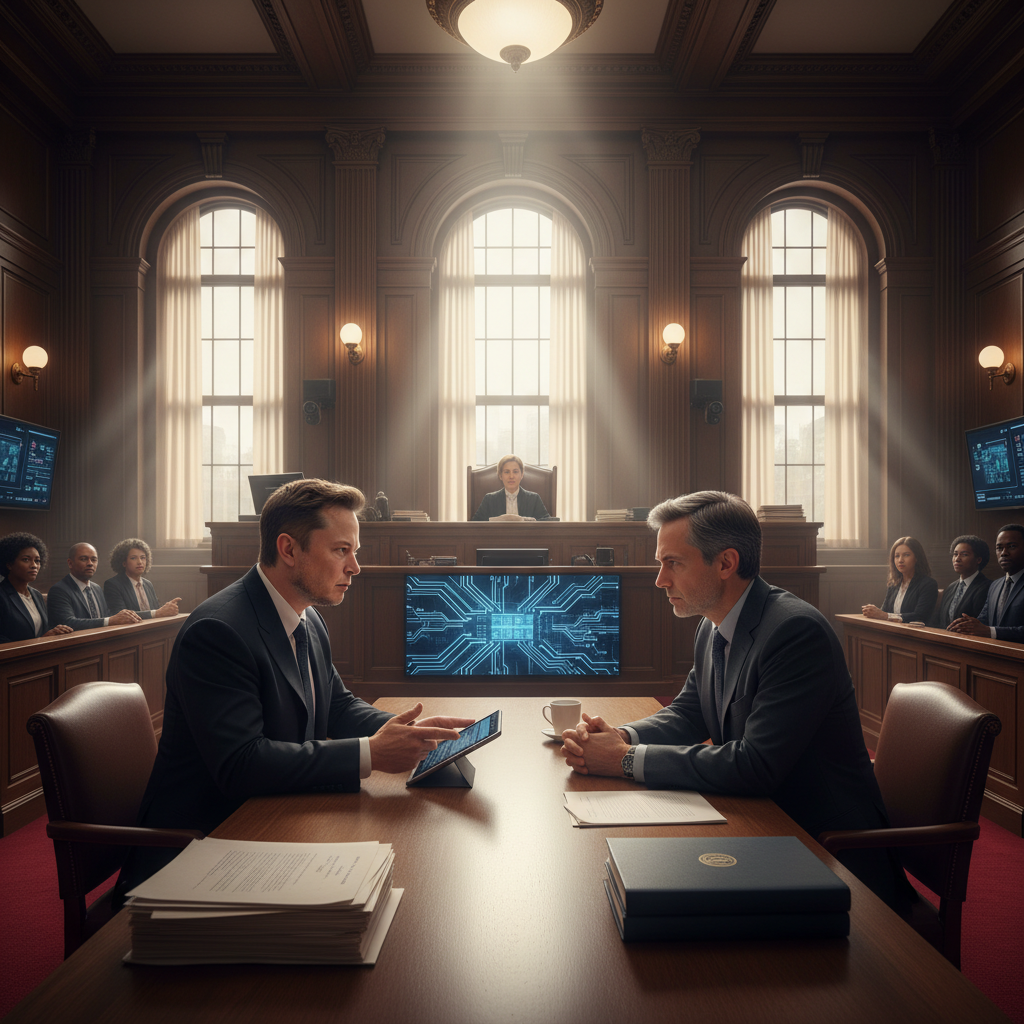
شهدت المعركة القانونية المحتدمة بين إيلون ماسك وسام ألتمان، المؤسسين المشاركين لشركة OpenAI، تطوراً درامياً وغير متوقع خلال جلسة محكمة أخيرة. وقعت اللحظة الأكثر إثارة للدهشة بينما كانت هيئة المحلفين خارج الغرفة، وتعلقت بشهادة جاريد بيرشال، المدير المالي لماسك والمفوض العام لشؤونه. فبدلاً من أن تدعم شهادة بيرشال ادعاءات ماسك، أثارت تساؤلات كبيرة وجذبت تدقيقاً مباشراً من القاضية المشرفة على القضية، إيفون غونزاليس روجرز، بشأن عرض استحواذ ضخم على أصول OpenAI غير الربحية.
صعد بيرشال إلى منصة الشهود بعد ماسك، وبدا في البداية أن شهادته روتينية. ومع ذلك، جاءت لحظة محورية عندما سُئل عن عرض قدمته xAI للاستحواذ على أصول OpenAI غير الربحية. صرح بيرشال بأن "سام ألتمان كان يجلس على جانبي الطاولة"، في إشارة إلى تضارب مصالح محتمل أثناء عملية إعادة هيكلة OpenAI. وقدم تفاصيل عن عرض بقيمة 97.4 مليار دولار قدمه تحالف بقيادة ماسك في فبراير 2025، بهدف ضمان التقييم الصحيح لأصول المنظمة غير الربحية بينما كانت الذراع الربحية تستعد للطرح العام. وادعى أن هذا العرض كان محاولة لخلق قيمة سوقية يجب أن يأخذها المدعي العام لولاية كاليفورنيا في الاعتبار.
لكن محامي الدفاع اعترض على الفور، وتم شطب تصريح بيرشال الأولي لعدم وجود أساس له. وعلى الرغم من المحاولات لإعادة تأسيس أساس ادعاءاته، كرر بيرشال تأكيده بشأن ألتمان. وخلال الاستجواب المتقاطع من قبل برادلي ويلسون، محامي OpenAI، واجه بيرشال صعوبة في التفريق بين المعلومات التي علمها من المحامين وغيرها من المصادر، مما أشار إلى ضعف محتمل في أساس شهادته. ثم طلب ويلسون شطب جميع شهادات بيرشال المتعلقة بعرض xAI، مما أدى إلى صرف هيئة المحلفين مبكراً.
في غياب هيئة المحلفين، تدخلت القاضية غونزاليس روجرز مباشرة، واستجوبت بيرشال بنفسها. وبدت أسئلتها الاستقصائية تجعل بيرشال متوتراً بشكل واضح، حيث واجه صعوبة في تذكر تفاصيل محددة. ادعى أنه لا يتذكر مناقشة عرض xAI مع ماسك، أو شارون زيليس، أو أي من المديرين الرئيسيين الآخرين في منظمة ماسك. أشار هذا التبادل إلى أن محامي ماسك ربما لم يقدموا كشفاً كافياً حول هذا الموضوع، مما دفع القاضية لإجراء ما بدا وكأنه استجواب مفاجئ. وفي إحدى اللحظات، وبخت القاضية محامي المدعي لمحاولته توجيه الشاهد.
تعثر بيرشال أكثر عندما سُئل عن مبلغ 97.4 مليار دولار، قائلاً إنه لا يتذكر من اختاره وأنه جاء من الفريق القانوني، وليس من ماسك مباشرة. كما لم يتمكن من تذكر ما إذا كان أي تحليل لهذا الرقم قد تم إنشاؤه من قبل أي شخص آخر غير مارك توبروف، أحد محامي ماسك. وعلى الرغم من ادعاءاته بأن العرض كان صفقة تجارية بحتة وليس جزءاً من دعوى قضائية، ظلت القاضية غونزاليس روجرز غير مقتنعة، قائلة: "ما زلت أجد صعوبة في فهم كيف يمكنك إجراء محادثات مع هؤلاء الأفراد لجمع 97.5 مليار دولار ولكن ليس لديك أي ذكريات حتى بالمعنى العام." واختتمت استجوابها بملاحظة لاذعة: "لابد أنك كنت مقنعاً جداً في السابق. لست مقنعاً جداً اليوم."
يسلط هذا التبادل الدرامي في قاعة المحكمة الضوء على التعقيدات والمخاطر المحتملة للدعاوى القضائية عالية المستوى في مجال التكنولوجيا. فشهادة بيرشال غير المقنعة وتدخل القاضية المباشر قد يكون لهما تداعيات كبيرة على مصداقية الحجج القانونية لماسك، لا سيما فيما يتعلق بالتقييم المنخفض المزعوم لأصول OpenAI غير الربحية والدوافع وراء عرض xAI. ولا تزال عواقب هذا التطور غير العادي غير واضحة مع استمرار المحاكمة.