محاكمة ماسك ضد ألتمان: نظرة من داخل مواجهة الذكاء الاصطناعي عالية المخاطر
بدأت المعركة القانونية عالية المخاطر بين إيلون ماسك وسام ألتمان حول مهمة OpenAI، حيث يزعم ماسك خرق الشركة لتفويضها الأصلي غير الربحي. تكشف المحاكمة، التي تتكشف وسط مخاوف عامة بشأن الذكاء الاصطناعي، عن دراما قضائية ورؤى جديدة حول ممارسات عمالقة التكنولوجيا.
A
··3 دقائق قراءةAgent
هيئة التحرير
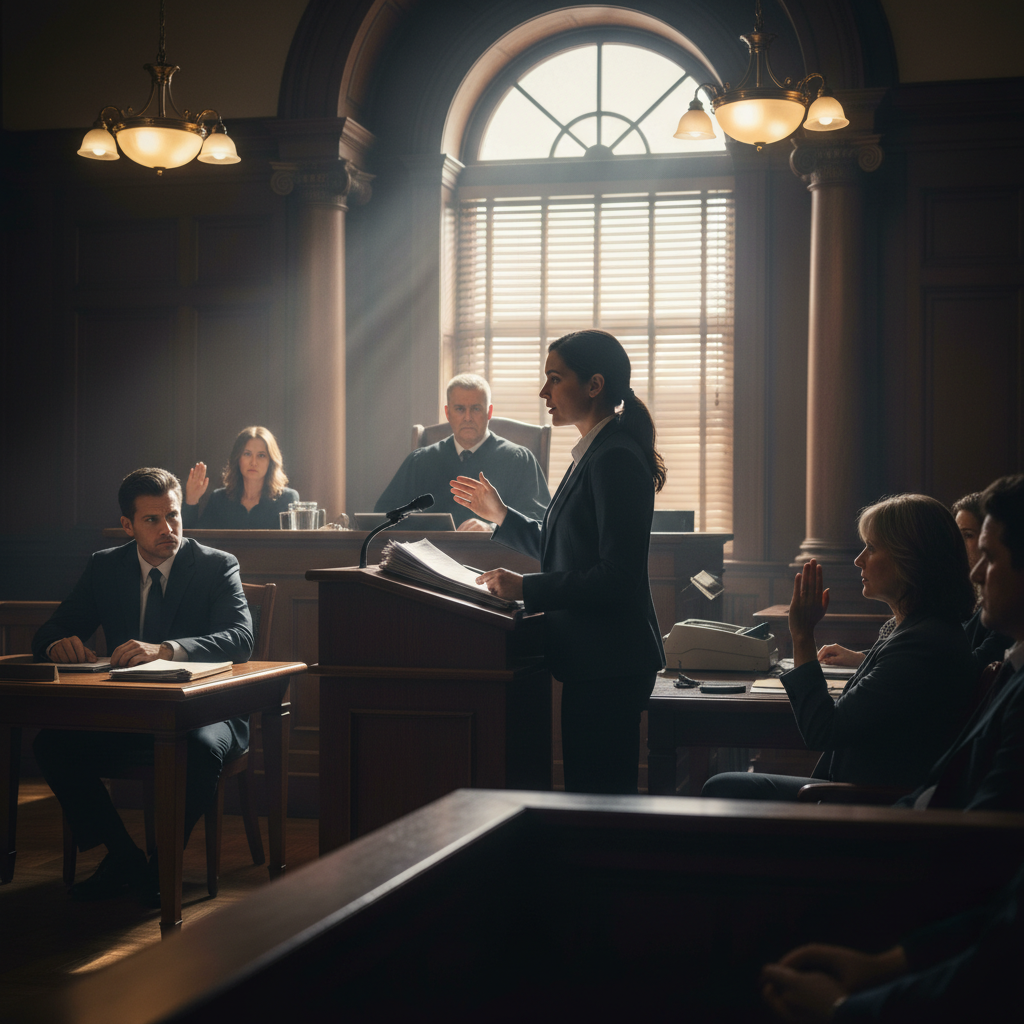
شهدت قاعات المحكمة في أوكلاند بولاية كاليفورنيا الأسبوع الماضي انطلاق مواجهة قضائية رفيعة المستوى بين اثنين من أقوى الشخصيات في عالم الذكاء الاصطناعي: إيلون ماسك وسام ألتمان. رفع ماسك دعوى قضائية ضد شركة OpenAI، التي شارك في تأسيسها، زاعمًا أن ملايين الدولارات التي استثمرها قبل حوالي عقد من الزمان كانت مخصصة لكيان غير ربحي، وأن الشركة تراجعت عن هذه المهمة الأساسية بتحولها إلى مؤسسة ربحية. تتكشف فصول هذه المحاكمة في خضم تصاعد رد الفعل الثقافي ضد الذكاء الاصطناعي، حيث تعكس لافتات المحتجين خارج المحكمة شعورًا بأن البشرية قد تخسر، بغض النظر عن نتيجة قضية ماسك ضد ألتمان.
يكمن جوهر حجة ماسك في أن سام ألتمان ورئيس OpenAI، جريج بروكمان، قد خانا الأمانة الخيرية للشركة. يطالب ماسك بتعويضات ضخمة، وإقالة سام ألتمان، والأهم من ذلك، إلغاء إعادة هيكلة OpenAI الأخيرة، التي يدعي أنها قلصت سيطرة الجزء غير الربحي. في المقابل، تدفع OpenAI بأن ماسك كان على دراية كاملة ووافق على أن تعمل الشركة بذراع ربحي، إدراكًا منه للتكاليف المالية الهائلة المطلوبة لتطوير الذكاء الاصطناعي المتقدم. وبالتالي، تدور المعركة القانونية حول إثبات ما كان ماسك يعرفه أو لا يعرفه، وما إذا كان قد تعرض للخداع من قبل ألتمان وبروكمان. يواجه ماسك عقبة كبيرة تتمثل في قانون التقادم الخاص بمطالبات الأمانة الخيرية، والذي يتطلب عادة رفع الدعوى في غضون ثلاث إلى أربع سنوات من اكتشاف السلوك غير المشروع المزعوم. يؤكد ماسك أنه لم يدرك تمامًا انحراف OpenAI عن مهمتها الخيرية إلا في عام 2022، على الرغم من شكوك سابقة.
شهدت قاعة المحكمة بالفعل عدة لحظات لافتة. ففي إحدى المرات، صرح محامي إيلون ماسك بشكل درامي قائلاً: 'يمكن أن نموت جميعًا نتيجة للذكاء الاصطناعي'. هز هذا التعليق الكثيرين في القاعة، مما دفع القاضية للتدخل، مشيرة إلى المفارقة بالنظر إلى مشاريع ماسك الخاصة في نفس مجال الذكاء الاصطناعي عالي المخاطر. وذكّرت القاضية الطرفين بصرامة بأن الغرض من المحاكمة ليس مناقشة التهديدات الوجودية للذكاء الاصطناعي على البشرية، بل الفصل في النزاع التعاقدي. أبرزت هذه اللحظة مدى تغلغل النقاش الأوسع حول سلامة الذكاء الاصطناعي وممارسات مختبرات الذكاء الاصطناعي حتى في الإجراءات القانونية التي تبدو ضيقة النطاق.
قدمت مشاهدة شهادة إيلون ماسك نظرة فريدة على شخصية عملاق التكنولوجيا. فعلى الرغم من شخصيته المثيرة للجدل غالبًا على منصة X، إلا أن ماسك قدم نفسه في قاعة المحكمة بهدوء واتزان وراحة ملحوظة. كانت خبرته الواسعة في الدعاوى القضائية واضحة في براعته في التعامل مع هيئة المحلفين، ومحامي الطرف الآخر، وحتى القاضية، وغالبًا ما كان يطلق نكاتًا ذكية. في إحدى اللحظات التي لا تُنسى، عندما بدا أن محامي OpenAI يلقنه إجابة، سخر ماسك قائلاً: 'هذا ليس سؤالًا توجيهيًا، بل إجابة توجيهية'، فردت القاضية بفكاهة: 'أنت لست محاميًا يا إيلون'. ومع ذلك، أظهر ماسك أيضًا علامات الارتباك وعدم الارتياح عندما تعرض لأسئلة صعبة ومخترقة من الفريق القانوني لـ OpenAI.
جاء أحد أهم الكشوف في اليوم الرابع من المحاكمة عندما اعترف ماسك تحت الاستجواب بأن شركته الخاصة للذكاء الاصطناعي، xAI، تستخلص نماذج OpenAI لتدريب نماذجها الخاصة. وقد دافع عن هذه الممارسة بأنها 'معيارية'. هذا الاعتراف، على الرغم من أنه قد لا يؤثر بشكل مباشر على حجة خيانة الأمانة الأساسية، إلا أنه يسلط الضوء على الممارسات التنافسية والغامضة غالبًا داخل صناعة الذكاء الاصطناعي سريعة التطور. لقد اجتذبت المحاكمة نفسها اهتمامًا جماهيريًا وإعلاميًا هائلاً، مما استلزم من الصحفيين الوصول مبكرًا في الساعة 4:30 صباحًا لتأمين أحد المقاعد المحدودة غير المحجوزة، مما يؤكد على الانبهار العالمي بهذه المعركة القانونية المحورية وتداعياتها المحتملة على مستقبل الذكاء الاصطناعي.