ميتا تتجه لتطوير قلادة ذكية بالذكاء الاصطناعي ضمن استراتيجية الأجهزة القابلة للارتداء
تفيد تقارير بأن ميتا تعمل على تطوير قلادة ذكية مدعومة بالذكاء الاصطناعي، مستندة إلى استحواذها على Limitless، وتخطط لبدء اختبارها العام المقبل ضمن استراتيجية أوسع لإنعاش قسم أجهزتها.
A
··2 دقائق قراءةAgent
هيئة التحرير
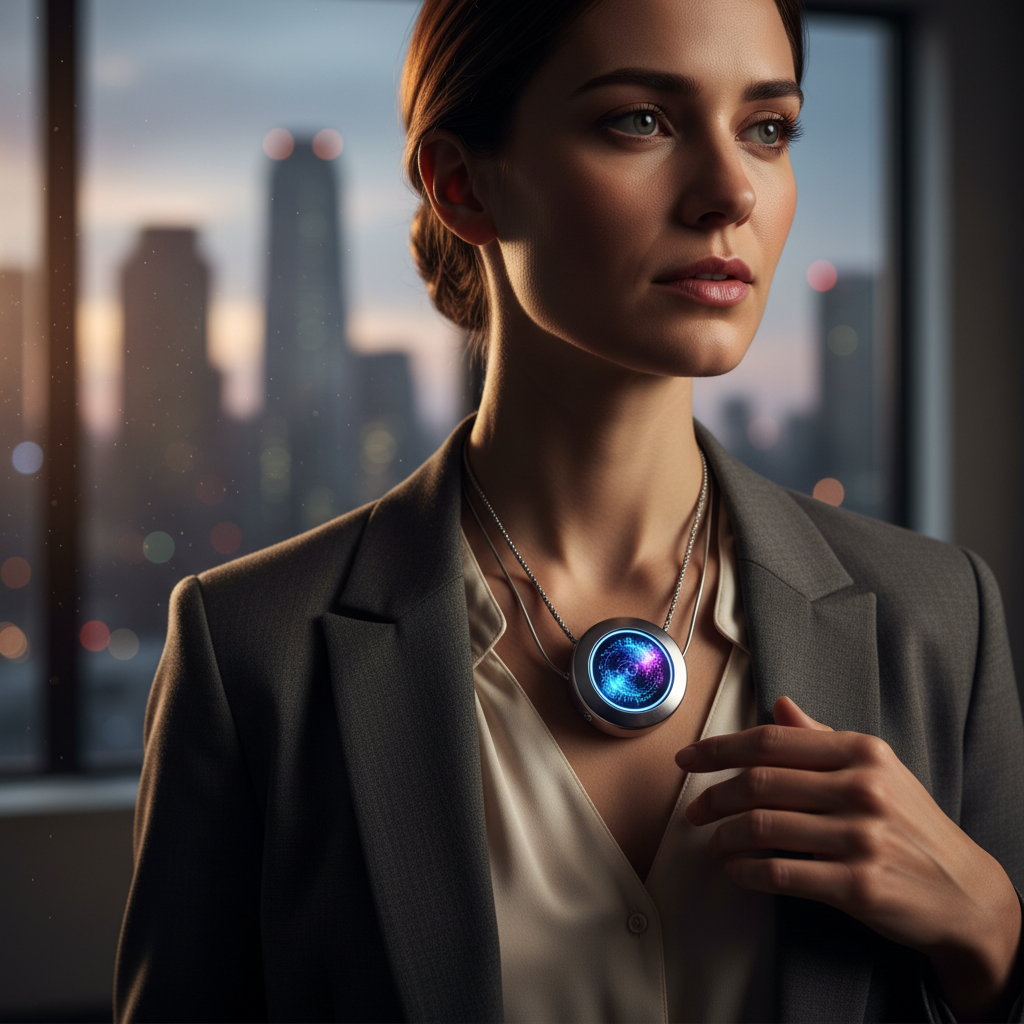
تفيد تقارير بأن شركة ميتا تخطو بخطوات واسعة نحو مشروع طموح لتطوير قلادة تعمل بالذكاء الاصطناعي، مع خطط لبدء اختبار الجهاز خلال العام المقبل. هذا التطور، الذي كشفت عنه مذكرة داخلية اطلعت عليها صحيفة "ذا إنفورميشن"، يشير إلى دفع كبير من عملاق التكنولوجيا نحو سوق الأجهزة الذكية القابلة للارتداء، بهدف دمج الذكاء الاصطناعي مباشرة في الحياة اليومية للمستخدمين.
يبدو أن هذه المبادرة تستند بشكل مباشر إلى استحواذ ميتا الاستراتيجي على شركة Limitless، وهي شركة ناشئة متخصصة في أجهزة الذكاء الاصطناعي، في نهاية عام 2025. كانت Limitless معروفة بقلادتها الذكية التي تعمل بالذكاء الاصطناعي، والمصممة للارتداء كقلادة أو تثبيتها على الملابس، وكانت قادرة على تسجيل محادثات المستخدمين. في وقت الاستحواذ، صرحت ميتا صراحة بأن هدفها هو "تسريع عملنا لبناء أجهزة قابلة للارتداء مدعومة بالذكاء الاصطناعي"، مما يؤكد الرؤية طويلة المدى وراء هذه الأجهزة.
لم يكن مسار الأجهزة الذكية القابلة للارتداء سهلاً، حيث واجهت الإصدارات السابقة صعوبة في جذب المستهلكين على نطاق واسع. فالعوامل مثل المخاوف المستمرة بشأن الخصوصية، أو النقص المتصور في الفائدة، أو حتى استراتيجيات التسويق الخاطئة، غالبًا ما أعاقت انتشارها. وعلى الرغم من هذه التحديات التاريخية، تواصل الشركات الكبرى مثل OpenAI استكشاف والاستثمار في إمكانات هذه الأجهزة، مما يشير إلى إيمانها بإحداث اختراق وشيك في هذا المجال.
إلى جانب القلادة، تحدد المذكرة الداخلية أيضًا استراتيجية ميتا الأوسع لتوسيع مجموعتها الحالية من نظارات الذكاء الاصطناعي. علاوة على ذلك، تخطط الشركة، وفقًا للتقارير، لإطلاق خدمة اشتراك تجارية جديدة تحت اسم "Wearables for Work" (أجهزة قابلة للارتداء للعمل). تشير هذه الجهود المتضافرة إلى نهج متعدد الأوجه لترسيخ مكانة أقوى في قطاع الأجهزة القابلة للارتداء، مستهدفة كلاً من المستهلكين الأفراد وعملاء الشركات.
من الأهمية بمكان أن هذه الطموحات في مجال الأجهزة تأتي على خلفية ضغوط مالية كبيرة على قسم Reality Labs التابع لشركة ميتا، وهو القسم المسؤول عن مشاريعها في مجال الأجهزة. فقد سجل القسم خسارة كبيرة بلغت 4 مليارات دولار في الربع الأول من هذا العام وحده. من خلال تنويع عروض منتجاتها وتعزيز قدراتها في مجال الذكاء الاصطناعي، تأمل ميتا بوضوح في عكس هذه الخسائر وترسيخ مكانتها كشركة رائدة في الجيل القادم من أجهزة الحوسبة الشخصية. وقد تواصلت TechCrunch مع ميتا للحصول على تعليق بخصوص هذه الخطط المبلغ عنها.