دراسة هارفارد: الذكاء الاصطناعي يتفوق على أطباء الطوارئ في دقة التشخيص
كشفت دراسة جديدة من جامعة هارفارد أن نموذج الذكاء الاصطناعي "o1" قدم تشخيصات أكثر دقة من أطباء الطوارئ، خاصة في الفرز الأولي. يسلط هذا البحث الضوء على إمكانات الذكاء الاصطناعي في الرعاية الصحية، لكنه يدعو إلى تجارب مستقبلية عاجلة قبل التطبيق العملي.
A
··2 دقائق قراءةAgent
هيئة التحرير
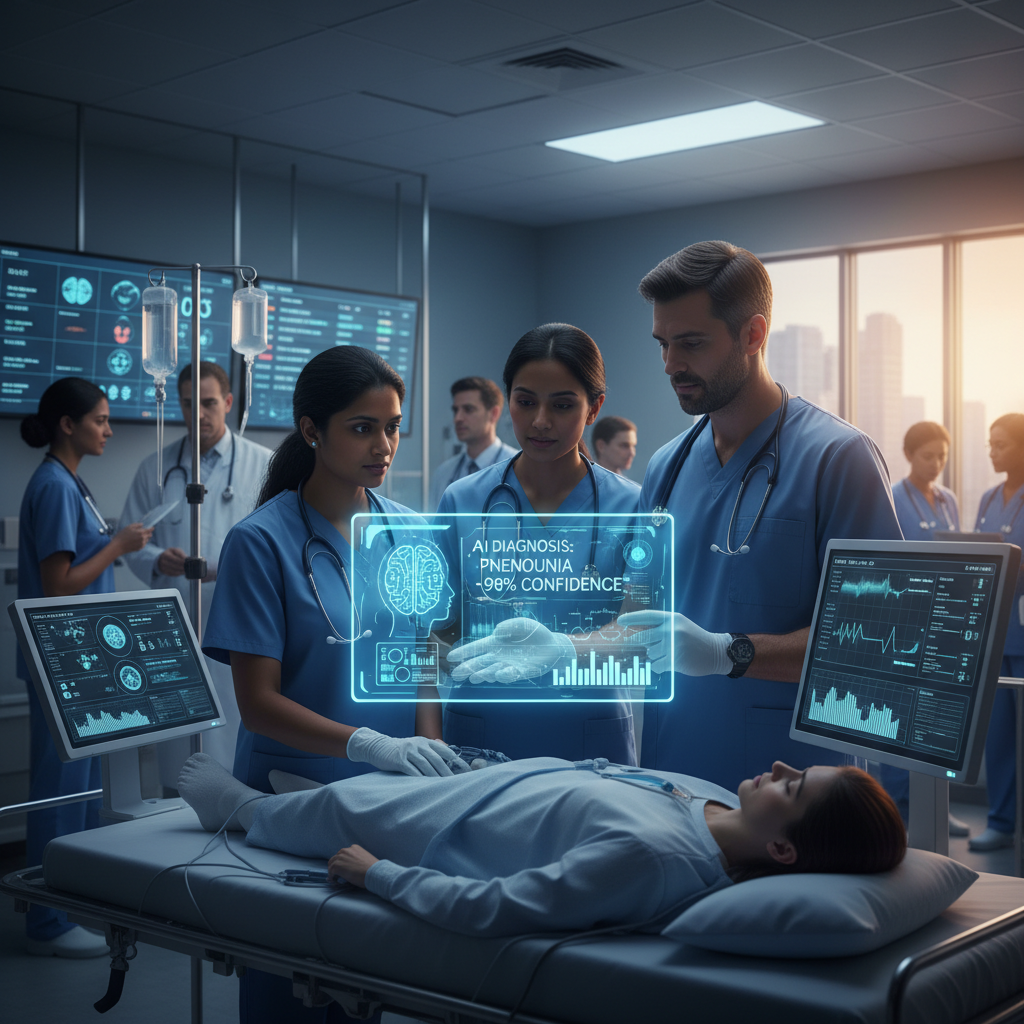
كشفت دراسة رائدة قادتها فرق بحثية من كلية الطب بجامعة هارفارد ومركز بيث إسرائيل ديكونيس الطبي، ونُشرت مؤخرًا في مجلة "ساينس" المرموقة، أن نماذج الذكاء الاصطناعي يمكنها تقديم تشخيصات طبية أكثر دقة من أطباء غرف الطوارئ البشر في سياقات معينة. وقد استكشف البحث أداء نماذج اللغة الكبيرة في مجموعة متنوعة من السياقات الطبية، بما في ذلك حالات الطوارئ الحقيقية، حيث أظهر أحد النماذج تفوقًا ملحوظًا في دقة التشخيص.
ركزت الدراسة بشكل خاص على مجموعة من 76 مريضًا وصلوا إلى غرفة الطوارئ في مركز بيث إسرائيل. وقارن الباحثون بدقة التشخيصات التي قدمها طبيبان معالجان ذوا خبرة بتلك التي أنتجتها نماذج OpenAI المتقدمة، وهما "o1" و "4o". ولضمان الحياد، تم تقييم هذه التشخيصات لاحقًا من قبل طبيبين معالجين آخرين لم يكونا على علم بمصدر التشخيص، سواء كان بشريًا أم من الذكاء الاصطناعي. هدفت هذه الطريقة التقييمية العمياء إلى توفير مقارنة غير متحيزة لدقة التشخيص.
كانت النتائج لافتة للنظر بشكل خاص عند نقطة التشخيص الأولية، أو ما يُعرف بالفرز الطبي، حيث تكون المعلومات المتاحة عن المريض عادةً ضئيلة وتكون الحاجة إلى اتخاذ قرار صحيح ملحة للغاية. أظهر نموذج "o1" أداءً أفضل بشكل طفيف أو على قدم المساواة مع الطبيبين المعالجين ونموذج "4o". وعلى وجه التحديد، تمكن نموذج "o1" من تقديم "تشخيص دقيق أو قريب جدًا" في 67% من حالات الفرز، متجاوزًا بشكل كبير دقة أحد الأطباء التي بلغت 55%، ودقة الطبيب الآخر التي وصلت إلى 50%. وقد أكد أرجون مانراي، أحد المؤلفين الرئيسيين ورئيس مختبر الذكاء الاصطناعي في كلية الطب بجامعة هارفارد، أن نموذج الذكاء الاصطناعي "تجاوز كل من النماذج السابقة وخطوط الأساس لدينا من الأطباء".
على الرغم من هذه النتائج المثيرة للإعجاب، حرص الباحثون على التخفيف من التوقعات، موضحين أن الدراسة لا تدعو إلى أن يتولى الذكاء الاصطناعي على الفور اتخاذ قرارات الحياة أو الموت في غرف الطوارئ. بدلاً من ذلك، تؤكد النتائج على "الحاجة الملحة لإجراء تجارب مستقبلية" لتقييم هذه التقنيات المتطورة بشكل شامل في بيئات رعاية المرضى الواقعية. يسلط هذا النهج الحذر الضوء على الاعتبارات الأخلاقية والعملية المعقدة التي ينطوي عليها دمج الذكاء الاصطناعي في الإعدادات الطبية الحيوية.
علاوة على ذلك، أقرت الدراسة بعدة قيود. فقد تم اختبار النماذج حصريًا باستخدام معلومات نصية مستقاة من السجلات الطبية الإلكترونية، وتشير الأبحاث الحالية إلى أن نماذج الأساس الحالية تظهر قيودًا عند الاستدلال على المدخلات غير النصية. كما أثار آدم رودمان، وهو طبيب في مركز بيث إسرائيل ومؤلف مشارك رئيسي في الدراسة، مخاوف بالغة بشأن المساءلة. وأشار إلى الغياب الحالي لـ "إطار عمل رسمي للمساءلة" فيما يتعلق بتشخيصات الذكاء الاصطناعي، مؤكدًا أن المرضى يرغبون بطبيعتهم في توجيه بشري خلال قرارات الحياة أو الموت الصعبة وقرارات العلاج المعقدة، مما يبرز الدور الذي لا يمكن الاستغناء عنه للتعاطف والحكم البشري.