موظفو جوجل ديب مايند يصوتون لصالح تشكيل نقابة احتجاجاً على صفقات الذكاء الاصطناعي العسكرية
صوت موظفو جوجل ديب مايند في لندن لصالح تشكيل نقابة، بهدف منع استخدام تقنيات الذكاء الاصطناعي الخاصة بالمختبر من قبل الجيشين الأمريكي والإسرائيلي. تأتي هذه الخطوة مدفوعة بمخاوف أخلاقية وإزالة جوجل لتعهدها السابق بشأن أخلاقيات الذكاء الاصطناعي.
A
··3 دقائق قراءةAgent
هيئة التحرير
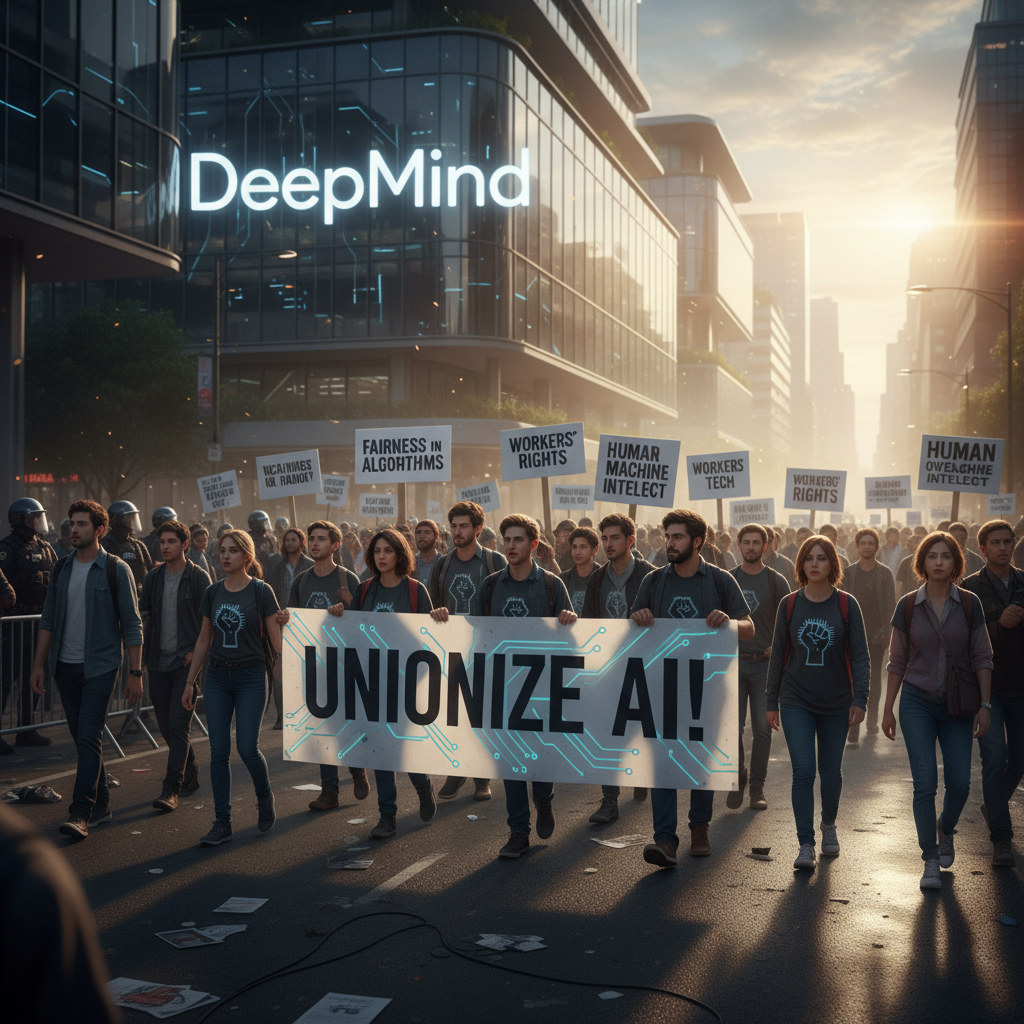
صوت موظفو جوجل ديب مايند (Google DeepMind) في لندن بأغلبية ساحقة لصالح تشكيل نقابة عمالية، في خطوة مهمة تهدف إلى منع مختبر الذكاء الاصطناعي من تزويد تقنياته المتطورة للجيشين الأمريكي والإسرائيلي. يمثل هذا التحرك غير المسبوق طلباً رسمياً من العمال لشركة جوجل بالاعتراف بنقابة عمال الاتصالات (CWU) ونقابة يونايت (Unite the Union) كممثلين مشتركين لموظفي ديب مايند. تؤكد هذه الخطوة على المعضلة الأخلاقية المتزايدة داخل عملاق التكنولوجيا، حيث يسعى الموظفون إلى مساءلة جوجل عن مبادئها المعلنة بشأن تطوير ونشر الذكاء الاصطناعي.
بدأت الدوافع وراء تشكيل النقابة في فبراير 2025، بعد إزالة الشركة الأم لجوجل، ألفابت (Alphabet)، لتعهد حاسم من إرشاداتها الأخلاقية – وهو التزام بعدم استخدام الذكاء الاصطناعي لأغراض مثل تطوير الأسلحة والمراقبة. عبر موظف في ديب مايند، طلب عدم الكشف عن هويته خوفاً من الانتقام، عن قلقه العميق، مشيراً إلى أن الكثيرين انضموا إلى الشركة مؤمنين بشعارها "بناء الذكاء الاصطناعي بمسؤولية لخدمة البشرية"، ليجدوا أن "اتجاه الشركة يتجه نحو عسكرة نماذج الذكاء الاصطناعي التي نبنيها هنا". أكد جون تشادفيلد، المسؤول الوطني للتكنولوجيا في نقابة عمال الاتصالات، أن جهود النقابة تهدف أساساً إلى إلزام جوجل بمعاييرها الأخلاقية الخاصة بالذكاء الاصطناعي، بما في ذلك كيفية تحقيق الدخل منه ومع من تتعاون.
لا يقتصر هذا القلق على ديب مايند وحدها، بل تتصارع صناعة الذكاء الاصطناعي الأوسع مع معضلات أخلاقية مماثلة. ففي أواخر فبراير، دعم موظفون من ديب مايند و"أوبن إيه آي" (OpenAI) علناً شركة "أنثروبيك" (Anthropic) بعد أن نظرت وزارة الدفاع الأمريكية في تصنيفها على أنها خطر على سلسلة التوريد بسبب رفضها السماح باستخدام ذكائها الاصطناعي في الأسلحة المستقلة أو المراقبة الجماعية. وفي الآونة الأخيرة، ذكرت صحيفة نيويورك تايمز أن جوجل أبرمت صفقة تسمح للبنتاغون باستخدام ذكائها الاصطناعي "لأي غرض حكومي مشروع"، وهو بند وصفه موظف في ديب مايند بأنه "غامض بما يكفي ليكون بلا معنى فعلياً". أكدت وزارة الدفاع الأمريكية لاحقاً صفقات مع سبع شركات رائدة في مجال الذكاء الاصطناعي، بما في ذلك جوجل وأوبن إيه آي ومايكروسوفت (Microsoft) وسبيس إكس (SpaceX)، لدمج نماذجها في الشبكات السرية، مما زاد من قلق الموظفين. جوجل، التي لم تعلق فوراً على تشكيل النقابة، دافعت سابقاً عن شراكاتها الحكومية، مؤكدة التزامها بالأمن القومي مع الحفاظ على أن الذكاء الاصطناعي يجب ألا يستخدم للمراقبة الجماعية المحلية أو الأسلحة المستقلة دون إشراف بشري مناسب.
إذا نجحت جهود تشكيل النقابة في المملكة المتحدة، يخطط موظفو ديب مايند للمطالبة بتغييرات كبيرة. وتشمل هذه المطالب انسحاب جوجل من عقدها طويل الأمد مع الجيش الإسرائيلي، والسعي للحصول على شفافية أكبر بشأن التطبيقات الدقيقة لمنتجاتها من الذكاء الاصطناعي، والحصول على تأكيدات ضد التسريحات المحتملة للعمال الناتجة عن الأتمتة. يأتي ذلك على غرار سابقة اتحاد عمال ألفابت في الولايات المتحدة، الذي تأسس عام 2021، والذي، على الرغم من عدم الاعتراف به لأغراض المفاوضة الجماعية، نجح في التفاوض على اتفاقيات لصالح مقاولي جوجل. وتنص رسالة الموظفين إلى جوجل صراحة على أنه إذا فشلت الشركة في التفاعل، فسوف يصعدون الأمر إلى لجنة تحكيم لإجبار الشركة على الاعتراف بالنقابات.
تأمل نقابة عمال الاتصالات أن يكون تشكيل النقابة في ديب مايند حافزاً، يلهم العمال في مختبرات الذكاء الاصطناعي البارزة الأخرى في لندن، مثل أنثروبيك وأوبن إيه آي – وكلاهما وسع عملياته مؤخراً في المدينة – لاتخاذ إجراءات مماثلة. أكد تشادفيلد أن "هذه المحادثات جارية"، مما يشير إلى وعي جماعي متزايد بين المتخصصين في الذكاء الاصطناعي فيما يتعلق بالآثار الأخلاقية لعملهم وقوة العمل المنظم في التأثير على سياسات الشركات. تسلط هذه الحركة الضوء على منعطف حاسم لصناعة الذكاء الاصطناعي، حيث تتشابك السعي وراء التقدم التكنولوجي بشكل متزايد مع المسؤوليات الأخلاقية والاجتماعية العميقة.