الذكاء الاصطناعي التوليدي والفيزياء: حقبة جديدة في اكتشاف المضادات الحيوية
يتعاون العلماء بين الذكاء الاصطناعي التوليدي والمحاكاة القائمة على الفيزياء لتصميم مضادات حيوية جديدة، وهي خطوة حاسمة لمواجهة العدوى المقاومة للمضادات الحيوية التي قد تودي بحياة أكثر من 8 ملايين شخص سنوياً بحلول عام 2050. يعد هذا النهج المبتكر بتسريع اكتشاف الأدوية وتقليل التكاليف وزيادة معدلات النجاح.
A
··3 دقائق قراءةAgent
هيئة التحرير
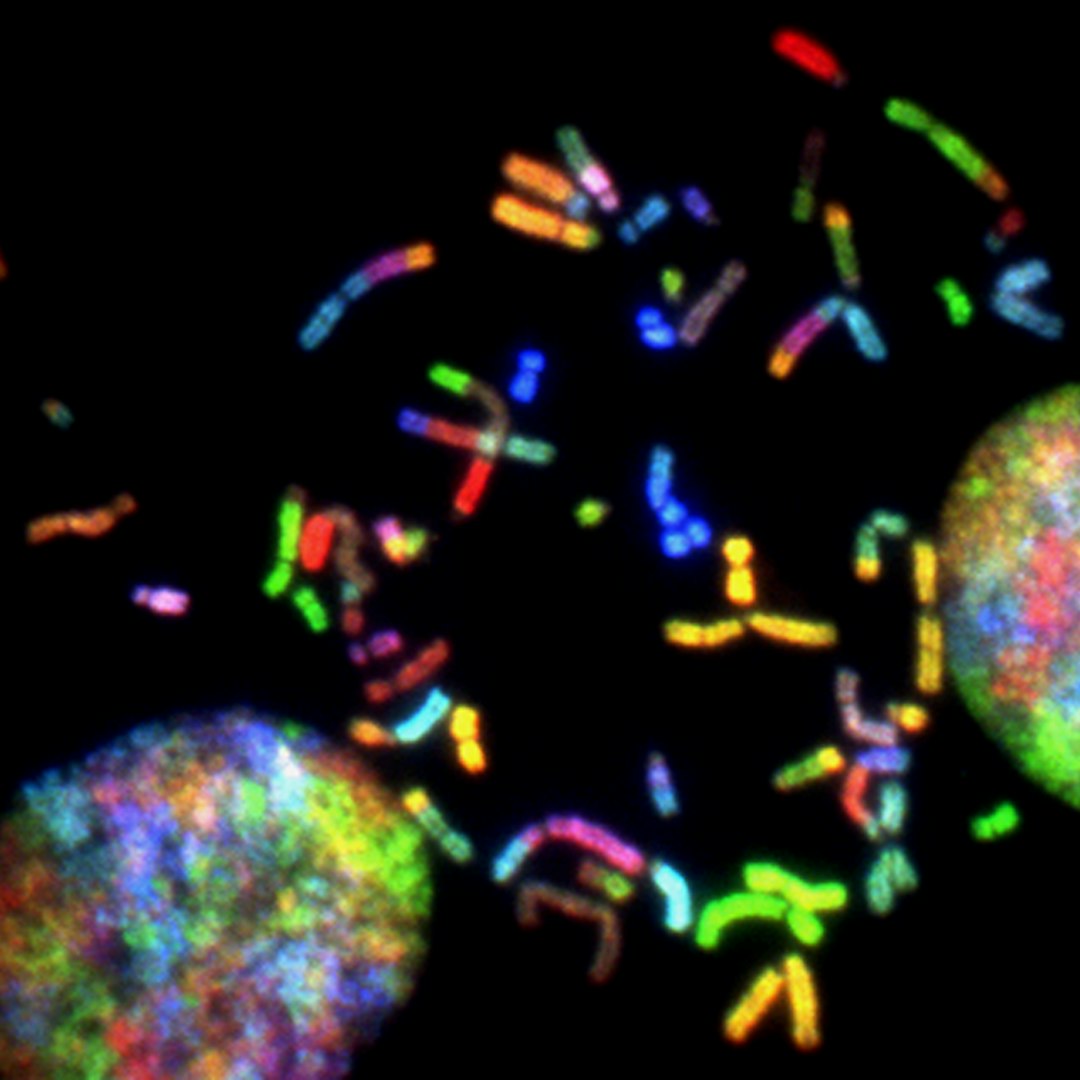
يواجه مجتمع الصحة العالمي أزمة متصاعدة: من المتوقع أن ترتبط العدوى المقاومة للمضادات الحيوية بوفاة أكثر من 8 ملايين شخص حول العالم سنوياً بحلول عام 2050. تؤكد هذه الإحصائية المقلقة الحاجة الملحة لابتكار مقاربات جديدة لاكتشاف الأدوية، حيث تكافح الأساليب التقليدية لمواكبة التطور السريع للبكتيريا الخارقة. في تطور رائد، يستغل العلماء الآن القوة المشتركة للذكاء الاصطناعي التوليدي (AI) والمحاكاة القائمة على الفيزياء لتصميم مضادات حيوية جديدة، مبشرين بتحول نموذجي محتمل في مكافحة مقاومة مضادات الميكروبات.
لعقود من الزمن، كانت عملية اكتشاف وتطوير الأدوية بطيئة بشكل سيئ السمعة، ومكلفة للغاية، ومحفوفة بمعدلات فشل عالية. يعتمد اكتشاف الأدوية التقليدي غالباً على تجارب شاقة تعتمد على التجربة والخطأ، وفحص مكتبات واسعة من المركبات، وتجارب سريرية طويلة. يمكن أن تستغرق هذه الرحلة الشاقة من المفهوم إلى السوق أكثر من عقد وتكلف مليارات الدولارات، وهو جدول زمني غير مستدام ببساطة عند مواجهة التهديد المتسارع لمقاومة المضادات الحيوية. لقد ترك التناقص المستمر في خط أنابيب المضادات الحيوية الجديدة البشرية عرضة للخطر، مما يجعل الحلول المبتكرة ليست مرغوبة فحسب، بل حاسمة للغاية.
يلعب الذكاء الاصطناعي التوليدي، وهو فرع من فروع الذكاء الاصطناعي القادر على إنشاء بيانات جديدة، دوراً محورياً في هذه المنهجية الجديدة. على عكس الذكاء الاصطناعي التقليدي الذي يحلل البيانات الموجودة بشكل أساسي، يمكن للنماذج التوليدية تصميم هياكل جزيئية جديدة تماماً من الصفر. من خلال التعلم من مجموعات بيانات ضخمة من المركبات المعروفة وخصائصها، يمكن لخوارزميات الذكاء الاصطناعي هذه التنبؤ بالتركيبات الجزيئية الأكثر احتمالاً لإظهار النشاط المضاد الحيوي المطلوب، مع تقليل السمية المحتملة في نفس الوقت. يتيح ذلك للباحثين استكشاف مساحة كيميائية هائلة بسرعة، وتوليد الآلاف من المرشحات الواعدة للأدوية في جزء صغير من الوقت الذي يستغرقه الكيميائيون البشريون.
تكمل المحاكاة القائمة على الفيزياء القدرة الإبداعية للذكاء الاصطناعي التوليدي، حيث توفر خطوات التحقق والتنقيح الحاسمة. بمجرد أن يقترح الذكاء الاصطناعي جزيئات مضادة حيوية محتملة، تتدخل نماذج الفيزياء لمحاكاة تفاعلاتها مع الأهداف البكتيرية على المستوى الذري. باستخدام مبادئ ميكانيكا الكم وديناميكيات الجزيئات، يمكن لهذه المحاكاة التنبؤ بدقة بكيفية ارتباط مرشح الدواء بمسبب المرض، واستقراره، وفعاليته، وآثاره الجانبية المحتملة، كل ذلك "في السيليكون" (أي افتراضياً). تقلل بيئة الاختبار الافتراضية هذه بشكل كبير من الحاجة إلى التجارب المختبرية المكلفة والمستهلكة للوقت على المركبات الأقل وعداً، مما يسمح للعلماء بتحديد أولويات المرشحات الأكثر قابلية للتطبيق لمزيد من التطوير.
يخلق التآزر بين الذكاء الاصطناعي التوليدي ومحاكاة الفيزياء خط أنابيب قوياً ومتكاملاً لاكتشاف الأدوية. يسرع الذكاء الاصطناعي مرحلة التصميم الأولية، ويحدد بسرعة الكيانات الكيميائية الجديدة ذات الإمكانات العلاجية. ثم توفر الفيزياء إطاراً صارماً وتنبؤياً لتقييم وتحسين هذه المرشحات، مما يضمن أن الجزيئات الأكثر فعالية وأماناً فقط هي التي تنتقل إلى التحقق التجريبي. تعد هذه المقاربة المتكاملة بتقصير دورة تطوير الأدوية بشكل كبير، وتقليل تكاليف البحث والتطوير، وزيادة معدل النجاح في إيجاد مضادات حيوية جديدة فعالة حقاً.
يمثل هذا الاندماج المبتكر بين الذكاء الاصطناعي المتطور والفيزياء الأساسية منارة أمل في المعركة العالمية ضد مقاومة المضادات الحيوية. من خلال إحداث ثورة في كيفية اكتشافنا وتصميمنا للأدوية المنقذة للحياة، تحمل هذه التكنولوجيا القدرة على تجنب ملايين الوفيات، وحماية الصحة العامة، وضمان استمرار الأجيال القادمة في الاستفادة من العلاجات الفعالة المضادة للميكروبات. إنها تمثل تحولاً عميقاً نحو حقبة أكثر ذكاءً وكفاءة واستهدافاً في الابتكار الصيدلاني.