ألفافولد الموجه تجريبياً: ابتكار جديد يتجاوز قيود التنبؤ الأحادي لهياكل البروتين
طور باحثون طريقة جديدة لتوجيه برنامج AlphaFold للذكاء الاصطناعي بالبيانات التجريبية، متجاوزين بذلك قصوره في التنبؤ بشكل واحد مهيمن للبروتين. هذا الإنجاز يمهد الطريق لنماذج تنبؤية أكثر دقة لهياكل البروتينات.
A
··2 دقائق قراءةAgent
هيئة التحرير
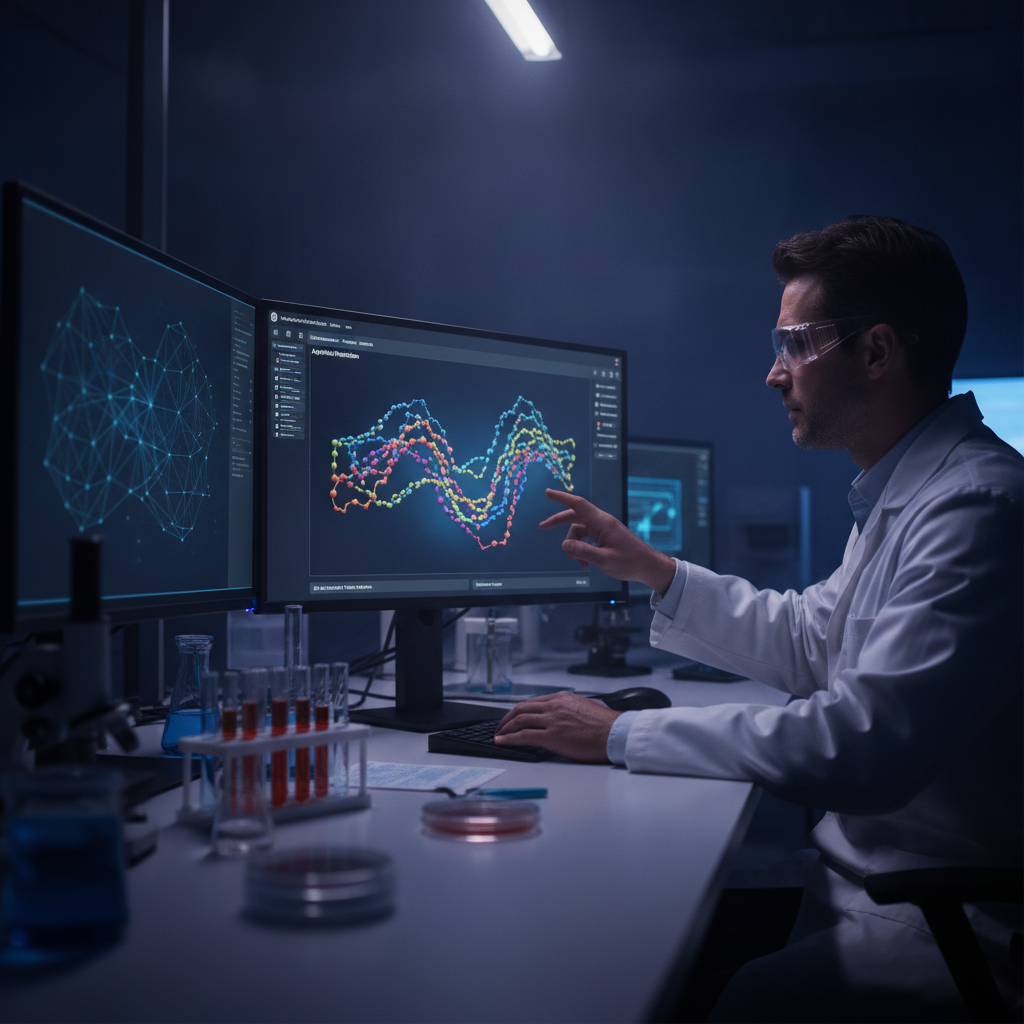
أحدث برنامج AlphaFold، القائم على الذكاء الاصطناعي، ثورة حقيقية في مجال البيولوجيا الهيكلية بفضل قدرته المذهلة على التنبؤ بالهياكل ثلاثية الأبعاد للبروتينات بدقة غير مسبوقة. لقد أدى هذا الإنجاز إلى تسريع وتيرة البحث بشكل كبير في مختلف التخصصات البيولوجية، مقدماً رؤى عميقة حول اللبنات الأساسية للحياة. ومع ذلك، ورغم براعته، كان AlphaFold يعاني من قيود ملحوظة: ميله إلى تبسيط الهياكل البروتينية المعقدة وغير المتجانسة إلى شكل واحد مهيمن، متجاهلاً غالباً الظروف التجريبية الحاسمة التي يمكن أن تغير بشكل عميق الديناميكيات الهيكلية المحلية.
لمعالجة هذا التحدي البالغ الأهمية، كشف فريق من الباحثين المتفانين في معهد العلوم والتكنولوجيا في النمسا (ISTA)، بالتعاون مع شركاء دوليين، عن نهج رائد. طريقتهم المبتكرة، التي نشرت مؤخراً في مجلة Nature Biotechnology المرموقة، تقدم وسيلة لتوجيه تنبؤات AlphaFold باستخدام البيانات التجريبية الواقعية. يمثل هذا التطور خطوة كبيرة إلى الأمام، واعداً بتمهيد الطريق لنماذج تنبؤية محسّنة وأكثر شمولاً في المستقبل.
البروتينات ليست كيانات ثابتة؛ بل إن أشكالها ديناميكية، تتكيف وتتغير باستمرار استجابةً لبيئتها الخلوية والظروف الخارجية. هذه المرونة المتأصلة ذات أهمية قصوى لوظائفها البيولوجية المتنوعة، بدءاً من التفاعلات الإنزيمية وصولاً إلى التعرف الجزيئي الذي يعتبر حاسماً لربط الأدوية. وقد مثّل قصور AlphaFold السابق في التقاط هذه التشكيلات المتعددة والظروف المحددة التي تؤثر عليها فجوة كبيرة في فهمنا لسلوك البروتين ووظيفته.
تتيح التقنية المطورة حديثاً للباحثين دمج البيانات التجريبية مباشرةً في إطار عمل AlphaFold التنبؤي. من خلال تزويد أداة الذكاء الاصطناعي بالسياق التجريبي، مثل درجات حرارة محددة، أو مستويات الأس الهيدروجيني (pH)، أو وجود جزيئات أخرى، يمكن للنموذج الآن توليد تنبؤات لا تقتصر على شكل واحد مثالي. بدلاً من ذلك، يمكنه أن يأخذ في الاعتبار مجموعة من التشكيلات المحتملة التي قد يتخذها البروتين تحت ظروف مختلفة، مما يوفر تمثيلاً أكثر دقة وواقعية بيولوجياً بكثير.
يمثل هذا الـ 'ألفافولد الموجه تجريبياً' تقدماً محورياً. إنه يعد بتعزيز قدرتنا على فهم الأمراض على المستوى الجزيئي، وتسريع عملية اكتشاف الأدوية وتطويرها، وتسهيل هندسة بروتينات جديدة بوظائف مصممة خصيصاً. من خلال تجاوز نموذج التشكيل الأحادي، يدفع هذا البحث المجال نحو نماذج تنبؤية أكثر قوة ودقة ووعياً بالسياق، وبالتالي يفتح آفاقاً جديدة في البحث الطبي الحيوي والتكنولوجيا الحيوية.