إيلون ماسك يخسر دعواه ضد سام ألتمان بشأن مهمة OpenAI
خسرت دعوى إيلون ماسك القانونية ضد سام ألتمان وOpenAI بعد أن رفضت هيئة محلفين استشارية جميع المطالبات بسبب قانون التقادم، وهو قرار قبلته القاضية الفيدرالية. يتعهد ماسك بالاستئناف، مدعياً أن الحكم تجاهل جوهر قضيته حول انحراف OpenAI المزعوم عن مهمتها غير الربحية.
A
··2 دقائق قراءةAgent
هيئة التحرير
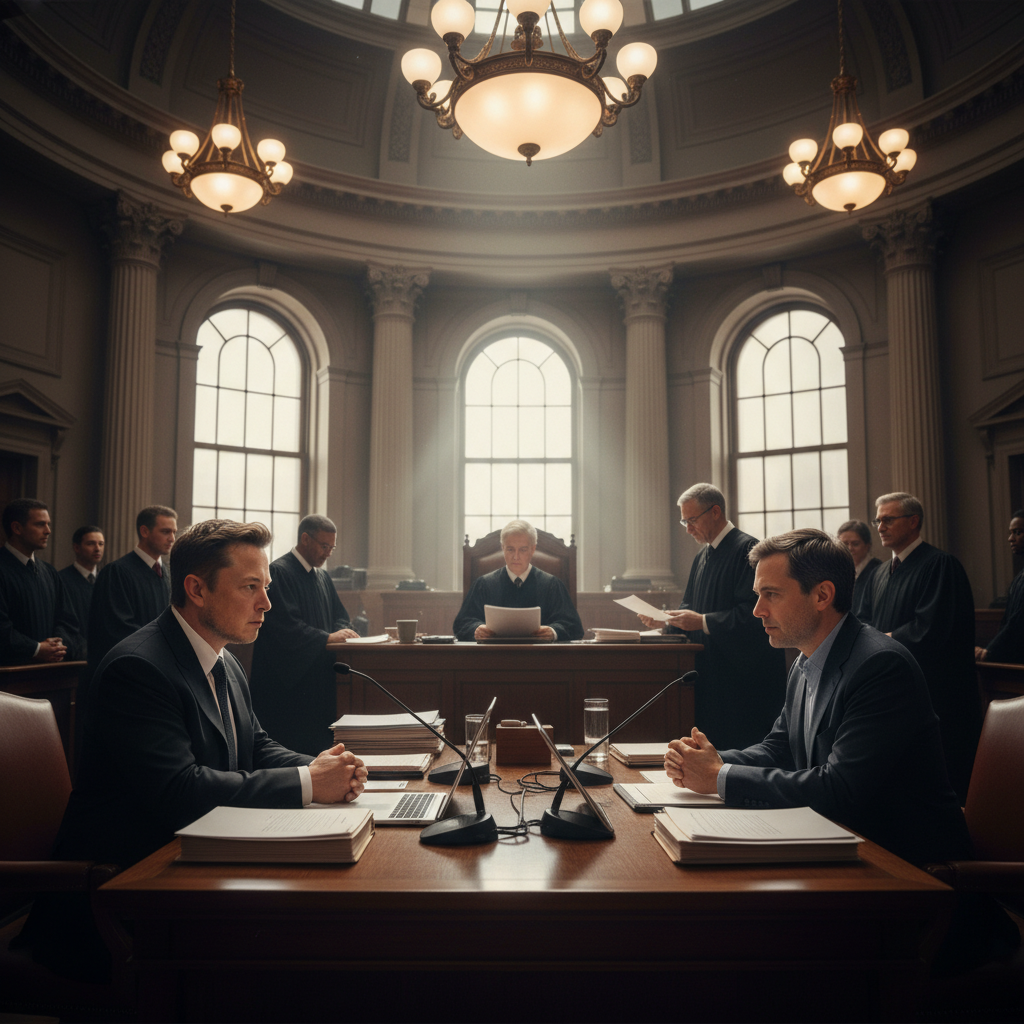
في حكم طال انتظاره ويعتبر نقطة تحول بارزة في الصراعات المستمرة بعالم التكنولوجيا، خسر إيلون ماسك دعواه القضائية ضد سام ألتمان وشركة OpenAI. بعد حوالي ساعتين من المداولات، رفضت هيئة محلفين استشارية بالإجماع جميع المطالبات التي قدمها ماسك، مستندة إلى قانون التقادم كسبب رئيسي. هذا القرار، على الرغم من كونه غير ملزم قانونياً من الناحية الفنية، إلا أنه قوبل بالقبول الفوري من قبل القاضية الفيدرالية الأمريكية إيفون غونزاليس روجرز، مما رسخ نتيجة ما وصفه الكثيرون بـ 'قضية العام في عالم التكنولوجيا'.
تركزت اتهامات ماسك الأساسية على فرضية أن OpenAI، التي تأسست في البداية ككيان غير ربحي، قد انحرفت بشكل كبير عن مهمتها التأسيسية. زعم ماسك أن الرئيس التنفيذي لـ OpenAI، سام ألتمان، ورئيس الشركة، جريج بروكمان، انتهكا الثقة الخيرية وشاركا في إثراء غير عادل على حسابه، نظراً لمساهماته المالية الأولية المخصصة للمؤسسة غير الربحية. وجدت هيئة المحلفين على وجه التحديد أن مطالبات ماسك بخرق الثقة الخيرية والاسترداد كانت ممنوعة بموجب قانون التقادم، وفشلت مطالبة إضافية بأن مايكروسوفت ساعدت وحرضت على هذا الخرق كنتيجة مباشرة لذلك.
رداً على الحكم، عبر إيلون ماسك عبر منصة X (تويتر سابقاً) عن عدم موافقته، مشيراً إلى نيته تقديم استئناف. انتقد ماسك القرار، مؤكداً أن القاضية وهيئة المحلفين حكموا 'بناءً على تفصيل زمني تقني' بدلاً من 'جدارة القضية'. وأصر ماسك بشدة على أنه 'لا يوجد شك لأي شخص يتابع القضية بالتفصيل بأن ألتمان وبروكمان قد أثروا أنفسهم بالفعل بسرقة مؤسسة خيرية. السؤال الوحيد هو متى فعلوا ذلك!'
من جانبها، رحبت مايكروسوفت، الشريك الرئيسي لـ OpenAI والمتورطة أيضاً في الدعوى القضائية، بقرار هيئة المحلفين. أصدر أليكس هوريك، المتحدث باسم عملاق التكنولوجيا، بياناً أكد فيه أن 'الحقائق والجدول الزمني في هذه القضية كانا واضحين منذ فترة طويلة، ونحن نرحب بقرار هيئة المحلفين برفض هذه المطالبات لعدم تقديمها في الوقت المناسب'. وأعاد التأكيد على التزام مايكروسوفت بتعاونها مع OpenAI، مشدداً على هدفهما المشترك في تطوير وتوسيع نطاق الذكاء الاصطناعي لصالح الناس والمنظمات حول العالم.
امتدت المحاكمة على مدى ثلاثة أسابيع في قاعة محكمة فيدرالية في أوكلاند، وتميزت بالتدقيق الشديد والشهادات المثيرة للجدل في كثير من الأحيان، حيث استغل الطرفان كل فرصة لتشويه سمعة الآخر. وبينما تصب النتيجة القانونية في صالح ألتمان وOpenAI لأسباب إجرائية، يلاحظ المراقبون أن الإجراءات القضائية المثيرة للجدل ألقت بظلالها على سمعة الأطراف المعنية، مما دفع الكثيرين إلى التساؤل عن مدى موثوقية أولئك الذين يقودون تطوير الذكاء الاصطناعي الرائد. هذا الحكم، على الرغم من كونه إغلاقاً قانونياً مؤقتاً، يؤكد على التحديات الأخلاقية والمالية المعقدة المتأصلة في مشهد الذكاء الاصطناعي سريع التطور.