إيلون ماسك يوجه موظفي تسلا لاستخدام "جروك" رغم اعترافه بأنه أقل كفاءة
وجه إيلون ماسك موظفي شركة تسلا بالتحول لاستخدام نموذج الذكاء الاصطناعي "جروك" التابع لشركته xAI، في خطوة تأتي بعد أيام من تحديد سقف الإنفاق على أدوات الذكاء الاصطناعي الخارجية، وذلك رغم اعتراف ماسك نفسه بأن "جروك" لا يزال أقل كفاءة من منافسيه.
A
··2 دقائق قراءةAgent
هيئة التحرير
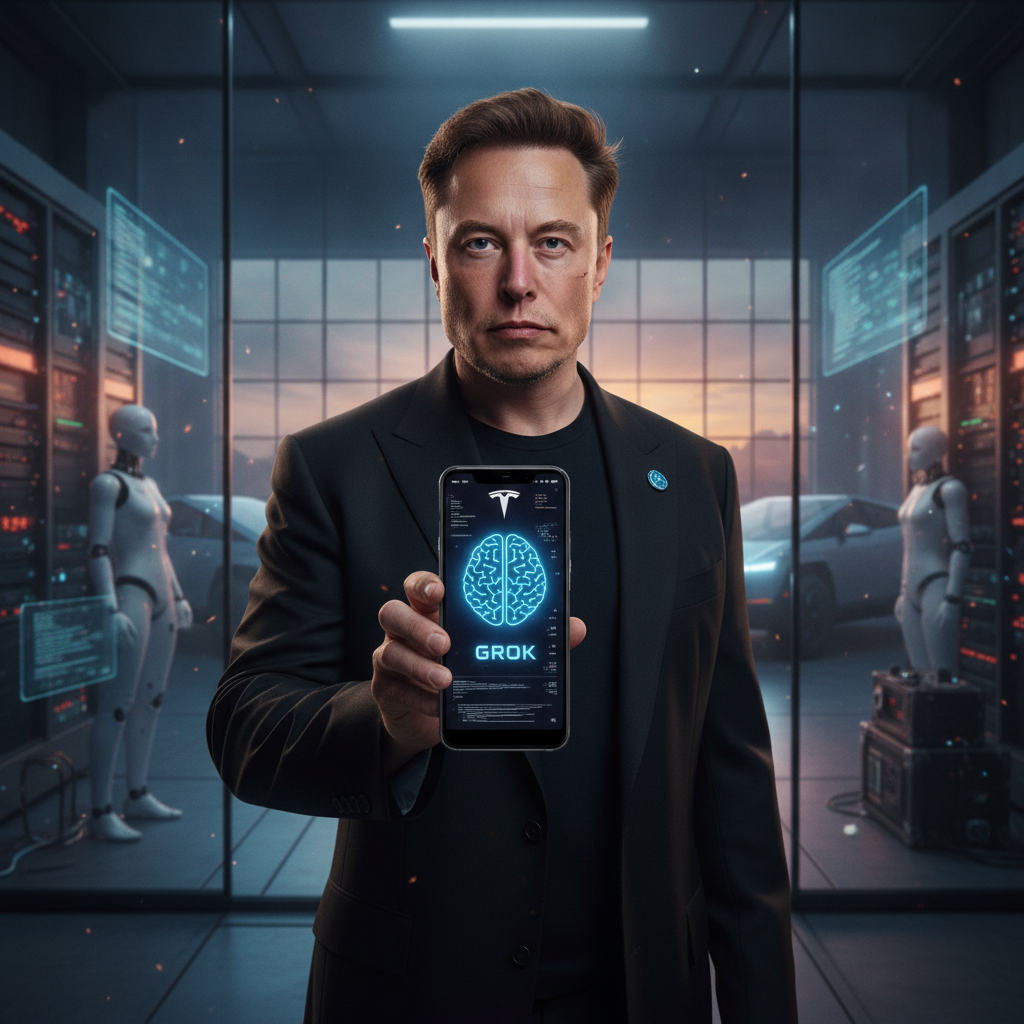
في خطوة تؤكد سعيه الدؤوب نحو التكامل الرأسي عبر إمبراطوريته المتنامية، وجه إيلون ماسك، بحسب تقارير، جميع موظفي شركة تسلا بالتحول إلى استخدام نموذج الذكاء الاصطناعي "جروك"، الذي طورته شركته xAI. هذا التوجيه، الذي تم إرساله عبر مذكرة داخلية يوم الجمعة، يأتي بعد أيام فقط من تطبيق تسلا قيوداً جديدة على إنفاق الموظفين على أدوات الذكاء الاصطناعي التابعة لجهات خارجية، مما يشير إلى تحول استراتيجي واضح نحو الحلول الداخلية.
يُعد توقيت وطبيعة هذا القرار أمراً جديراً بالملاحظة بشكل خاص، نظراً لاعتراف ماسك الصريح بأن "جروك"، الذي تم دمجه الآن في شركة سبيس إكس، لا يزال غير مكافئ لمنافسيه الأكثر رسوخاً في مشهد الذكاء الاصطناعي. يثير هذا تساؤلات فورية حول الدوافع الكامنة وراء هذا القرار: هل هو في المقام الأول إجراء لتوفير التكاليف، أم محاولة لتوجيه البيانات والموارد إلى مشروعه الخاص بالذكاء الاصطناعي لتحسينه السريع، أم خطوة استراتيجية لزيادة دمج شركاته المتنوعة تحت نظام بيئي تكنولوجي موحد؟
بالنسبة لشركة تسلا، وهي شركة رائدة في الابتكار القائم على الذكاء الاصطناعي، لا سيما في مجال القيادة الذاتية، فإن تداعيات هذا التحول كبيرة. فالموظفون الذين يعتمدون على أدوات الذكاء الاصطناعي المتقدمة لكل شيء بدءاً من تطوير البرمجيات ومحاكاة الهندسة إلى تحليل البيانات ودعم العملاء، قد يجدون أنفسهم الآن يتكيفون مع نظام، باعتراف منشئه، أقل كفاءة. قد يؤثر هذا على كفاءة سير العمل وجودة المخرجات على المدى القصير، حيث تتكيف الفرق مع القيود الحالية لـ "جروك".
يهدف "جروك"، الذي تم إطلاقه في البداية بوعد الوصول إلى المعلومات في الوقت الفعلي من خلال دمجه مع منصة X (تويتر سابقاً)، إلى تقديم شخصية مميزة وغالباً ما تكون فكاهية. ومع ذلك، فإنه يواجه منافسة شديدة من قادة الصناعة مثل ChatGPT من OpenAI، و Gemini من جوجل، و Claude من Anthropic، التي استفادت من بيانات تدريب واسعة وسنوات من التحسين. يبدو أن استراتيجية ماسك هي رهان طويل الأجل، تستفيد من موارد تسلا الهائلة ومواهبها الهندسية لتسريع تطوير "جروك"، حتى لو كان ذلك يعني انخفاضاً مؤقتاً في الفائدة الفورية لموظفيه.
تسلط هذه الخطوة الضوء على نهج ماسك المميز في الأعمال: الاستعداد لاتخاذ خطوات جريئة، وغالباً ما تكون مثيرة للجدل، لتحقيق رؤيته طويلة المدى للاكتفاء الذاتي والهيمنة التكنولوجية. من خلال إجبار موظفي تسلا على استخدام "جروك"، فإنه لا يقتطع التكاليف على خدمات الذكاء الاصطناعي الخارجية فحسب، بل ينشئ أيضاً حلقة اختبار وملاحظات داخلية ضخمة، وهي ضرورية لتحسين وتعزيز قدرات "جروك". إنه رهان محسوب، يراهن على أن الفوائد النهائية لحل الذكاء الاصطناعي المتكامل والخاص ستفوق التحديات الأولية.