إيلون ماسك يقر ضمنياً باستخدام xAI لنماذج OpenAI في تدريبها
أقر إيلون ماسك، في شهادة أمام المحكمة الفيدرالية، بأن مختبره xAI استخدم نماذج OpenAI للتدريب، مما يزيد من حدة معركته القانونية ضد صانع ChatGPT. يسلط هذا الكشف الضوء على ممارسة "التقطير" المثيرة للجدل والمنافسة المتصاعدة في قطاع الذكاء الاصطناعي.
A
··2 دقائق قراءةAgent
هيئة التحرير
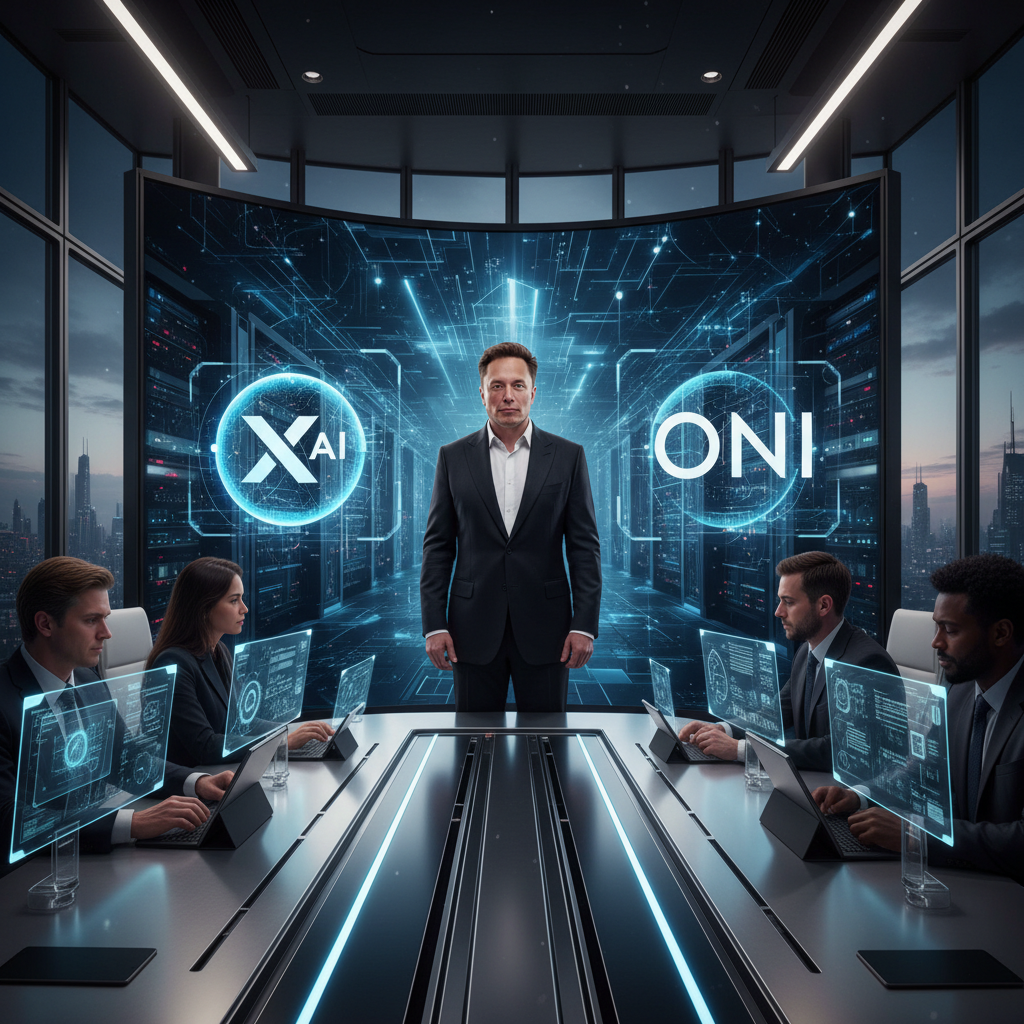
في شهادة مثيرة للجدل أمام المحكمة الفيدرالية يوم الخميس، أشار إيلون ماسك، رائد الأعمال الشهير ومؤسس مختبر الذكاء الاصطناعي xAI، إلى أن مختبره ربما يكون قد استخدم نماذج OpenAI لتدريب نماذجه الخاصة. جاء هذا الكشف خلال استجواب ماسك من قبل محامي OpenAI، ويليام سافيت، في خضم المعركة القانونية المستمرة بين ماسك وشركة ChatGPT. تركز النقاش على ممارسة "التقطير" (Distillation)، وهي تقنية أصبحت محط تدقيق متزايد في المشهد التنافسي للذكاء الاصطناعي.
خلال الاستجواب المكثف، سأل سافيت ماسك مباشرة عن "التقطير"، والذي عرّفه ماسك بأنه "استخدام نموذج ذكاء اصطناعي لتدريب نموذج ذكاء اصطناعي آخر". وعندما ضغط عليه بشأن ما إذا كانت xAI قد طبقت هذه الممارسة مع OpenAI، أجاب ماسك في البداية: "بشكل عام، جميع شركات الذكاء الاصطناعي تفعل ذلك"، قبل أن يقر قائلاً: "جزئياً". واستفسر سافيت كذلك عما إذا كانت تقنية OpenAI قد استخدمت بأي شكل من الأشكال لتطوير xAI، فأجاب ماسك بأنها "ممارسة معيارية استخدام ذكاء اصطناعي آخر للتحقق من صحة الذكاء الاصطناعي الخاص بك". يُعرف التقطير بأنه أسلوب يتم فيه تدريب نموذج ذكاء اصطناعي أصغر لتقليد سلوك نموذج أكبر وأكثر قدرة، مما يجعله أرخص وأسرع في التشغيل مع الحفاظ على جزء كبير من أدائه.
من جانبها، تعمل OpenAI بنشاط لحماية نماذجها الخاصة من مثل هذا التقطير، خاصة من المنافسين الأجانب مثل مختبر الذكاء الاصطناعي الصيني DeepSeek. وقد أبرزت مذكرة صدرت في فبراير 2026 من OpenAI إلى لجنة في مجلس النواب "خطواتها لحماية وتعزيز نماذجها ضد التقطير". وشددت الشركة على التزامها بتعزيز مجال تنافسي عادل، تحديداً لمنع "الصين من تطوير ذكاء اصطناعي استبدادي من خلال الاستيلاء على الابتكار الأمريكي وإعادة تعبئته".
لا يقتصر هذا القلق على الشركات الخاصة؛ فقد تدخلت الحكومة الأمريكية أيضاً. ففي أبريل 2026، أصدرت إدارة ترامب، من خلال مايكل كراتسيوس، مدير مكتب سياسة العلوم والتكنولوجيا بالبيت الأبيض آنذاك، مذكرة تحدد خططاً لمشاركة المعلومات مع شركات الذكاء الاصطناعي الأمريكية بشأن جهود التقطير الأجنبية. وصرح كراتسيوس علناً على منصة X بأن "الحكومة الأمريكية ملتزمة بالتطوير الحر والعادل لتقنيات الذكاء الاصطناعي عبر نظام بيئي تنافسي"، مما يؤكد الأهمية الاستراتيجية لحماية التطورات المحلية في مجال الذكاء الاصطناعي.
بينما تعاونت مختبرات الذكاء الاصطناعي الأمريكية تاريخياً، مستخدمة نماذج بعضها البعض لاختبار التقدم وتقييم السلامة، أدت البيئة التنافسية الشديدة الحالية إلى قطع بعض الشركات علاقاتها. على سبيل المثال، في أغسطس 2025، منعت شركة Anthropic وصول OpenAI إلى نماذجها البرمجية Claude، مستشهدة بانتهاكات مزعومة لشروط الخدمة الخاصة بها. وفي الآونة الأخيرة، وسعت Anthropic هذا التقييد ليشمل xAI أيضاً، مانعة إياها من استخدام نماذجها الذكاء الاصطناعي لمهام البرمجة. تؤكد هذه الحوادث التوترات المتصاعدة والمخاوف المتعلقة بالملكية الفكرية داخل قطاع الذكاء الاصطناعي سريع التطور، والذي يزداد تعقيدًا بسبب الاستجواب الأوسع لسافيت، الذي تعمق في محاولات ماسك السابقة للسيطرة على OpenAI وطموحه اللاحق للتفوق على الشركة.