إيلون ماسك وسام ألتمان يتجهان إلى المحكمة في معركة OpenAI عالية المخاطر
بعد سنوات من النزاعات القانونية، يتجه إيلون ماسك والرئيس التنفيذي لـ OpenAI، سام ألتمان، إلى المحكمة في شمال كاليفورنيا هذا الأسبوع، في قضية قد تعيد تشكيل مستقبل عملاق الذكاء الاصطناعي. ستتعمق المحاكمة في التحول المثير للجدل لـ OpenAI من مهمة غير ربحية إلى مؤسسة ربحية.
A
··3 دقائق قراءةAgent
هيئة التحرير
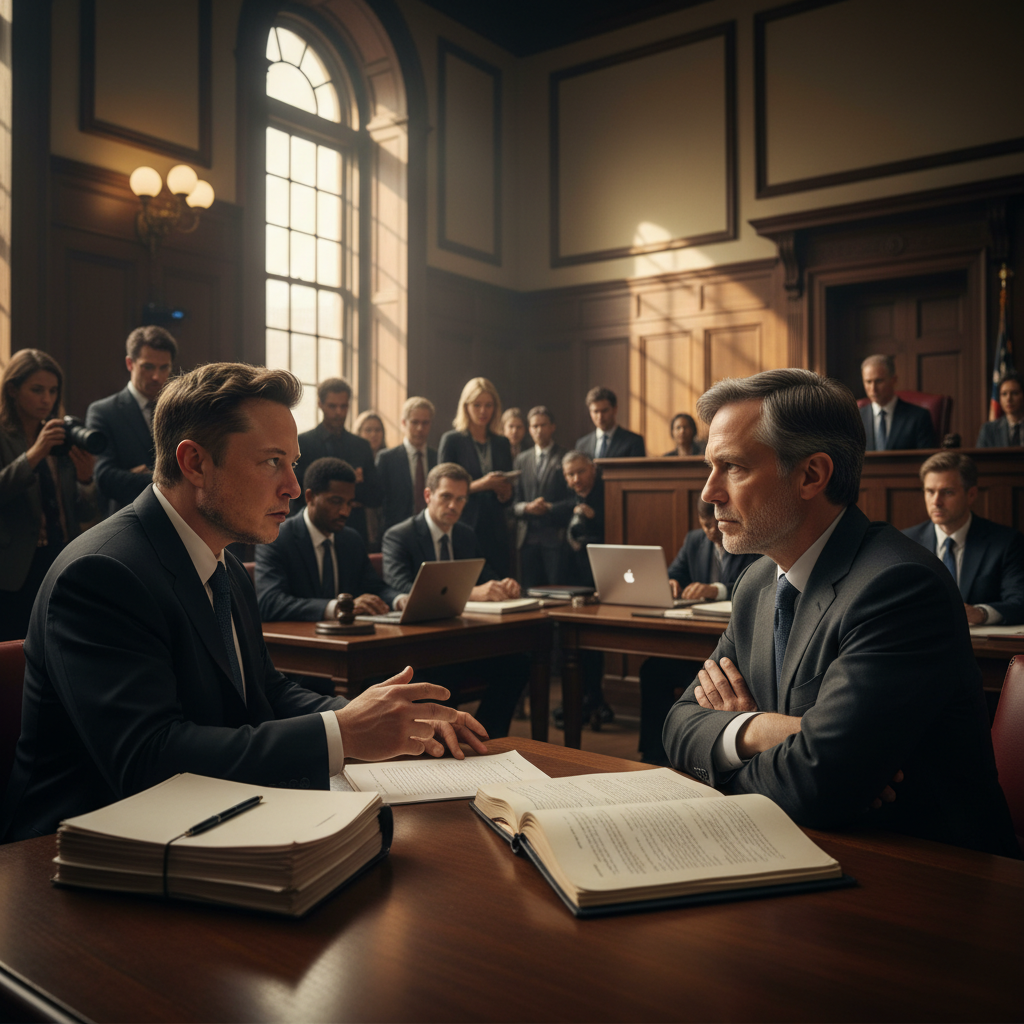
بعد سنوات طويلة من النزاعات القانونية المريرة، يتجه إيلون ماسك والرئيس التنفيذي لشركة OpenAI، سام ألتمان، إلى المحكمة هذا الأسبوع في شمال كاليفورنيا، في قضية تحمل في طياتها تداعيات واسعة النطاق قد تعيد رسم مستقبل صناعة الذكاء الاصطناعي بأكملها. قبيل الطرح العام الأولي المرتقب لشركة OpenAI، قد تصدر المحكمة حكمًا يحدد ما إذا كان مسموحًا للشركة بالاستمرار ككيان ربحي، بل وقد يصل الأمر إلى إقالة قيادتها التنفيذية الحالية، بمن فيهم ألتمان. هذه المعركة القانونية عالية المخاطر تعد بالكشف عن الستار عن العالم السري لتطوير الذكاء الاصطناعي، مسلطة الضوء على الأصول المعقدة وصراعات القوة داخل إحدى أكثر الشركات تأثيرًا في هذا القطاع الحيوي.
يرفع ماسك دعوى قضائية ضد OpenAI، مدعيًا أن ألتمان ورئيس OpenAI، غريغ بروكمان، خدعاه لتمويل الشركة في أيامها الأولى. يزعم ماسك أنهما وعداه بالحفاظ على الشركة كمنظمة غير ربحية مكرسة لتطوير الذكاء الاصطناعي بما يخدم البشرية جمعاء، فقط ليقوما لاحقًا بإعادة هيكلة الشركة لتشغيل فرع ربحي. كان ماسك قد شارك في تأسيس OpenAI مع ألتمان وآخرين في عام 2015، لكنه غادر في عام 2018 بعد صراع مرير على السلطة. يسعى ماسك للحصول على تعويضات تصل إلى 134 مليار دولار من OpenAI وشركة مايكروسوفت، أحد أكبر الداعمين الماليين للشركة. والأهم من ذلك، يطلب ماسك من المحكمة منح أي تعويضات للكيان غير الربحي لـ OpenAI بدلاً من أن تؤول إليه شخصيًا، وإعادة OpenAI إلى وضعها غير الربحي بإقالة ألتمان وبروكمان من منصبيهما.
من المتوقع أن تكون المحاكمة مشهدًا دراميًا، حيث ستقدم هيئة محلفين مكونة من تسعة أفراد حكمًا استشاريًا غير ملزم لتوجيه القاضي في قراره. ومن المنتظر أن يدلي شخصيات رئيسية بشهاداتها، بمن فيهم ماسك، ألتمان، وبروكمان. كما يُتوقع أن يشهد كبير العلماء السابق في OpenAI، إيليا سوتسكيفر، والمديرة التنفيذية السابقة للتكنولوجيا، ميرا موراتي، والرئيس التنفيذي لشركة مايكروسوفت، ساتيا ناديلا. ومن المتوقع أن تكشف الإجراءات عن "رسائل نصية محرجة، ومذكرات يومية خام، ومخططات لا نهاية لها" وراء تأسيس ونمو OpenAI، مما يوفر فرصة نادرة للجمهور للاطلاع على الديناميكيات الداخلية لشركة تقف في طليعة التكنولوجيا التحويلية.
عندما تأسست OpenAI في الأصل كمنظمة غير ربحية، بدعم من تبرع بقيمة 38 مليون دولار من ماسك، تعهدت الشركة بإنشاء تكنولوجيا مفتوحة المصدر لصالح الجمهور، دون قيود الحاجة إلى تحقيق عوائد مالية. ولكن على مر السنين، بدأت الشركة تعتقد أن المنافسة المتزايدة قد تجعل من الخطير مشاركة كيفية تطوير نماذج الذكاء الاصطناعي الخاصة بها، وأن الهيكل غير الربحي لا يمكنه جمع ما يكفي من المال لمواصلة بناء الذكاء الاصطناعي. من جانبها، تزعم OpenAI أن ماسك نفسه وافق على أن الشركة بحاجة إلى كيان ربحي، بل وأراد أن يكون رئيسها التنفيذي. وتزداد التعقيدات القانونية حيث يشكك بعض الخبراء القانونيين في أحقية ماسك في رفع الدعوى بصفته متبرعًا أو عضوًا سابقًا في مجلس الإدارة، مشيرين إلى أن المدعين العامين للولايات هم من يتولون عادةً تطبيق الأغراض الخيرية. وبالفعل، توصل المدعون العامون لولايتي كاليفورنيا وديلاوير إلى اتفاق مع OpenAI في أكتوبر 2025، يوافقون بموجبه على هيكلها المؤسسي الجديد بشروط معينة، بينما رفض المدعي العام لكاليفورنيا الانضمام إلى دعوى ماسك.
يزيد الخبراء القانونيون من تعقيد المسألة باقتراح أن القضية تُنظر بموجب قانون خاطئ. يجادل ماسك بوجود خرق للثقة الخيرية، مما دفع المحكمة إلى تحليل القضية بموجب قانون الائتمانات. ومع ذلك، كما تشير إحدى أستاذات القانون، "OpenAI ليست ائتمانًا. OpenAI هي شركة. وبالتالي، ينبغي عليهم النظر في... قانون المنظمات الخيرية غير الربحية." على الرغم من هذا الغموض القانوني، فإن نتيجة المحاكمة قد تؤثر بشكل عميق على سباق الذكاء الاصطناعي. أي من العلاجات التي يسعى إليها ماسك يمكن أن تشل OpenAI بينما تسابق الزمن لطرح أسهمها للاكتتاب العام بحلول نهاية العام، مما قد يمنح ميزة كبيرة لشركة xAI المنافسة لماسك، والتي تخطط أيضًا لطرح أسهمها للاكتتاب العام. وقد وصفت OpenAI الدعوى القضائية بأنها "محاولة لا أساس لها ومدفوعة بالغيرة لعرقلة منافس"، وهو شعور رد عليه ماسك بهجماته العلنية على ألتمان.