أبحاث أمازون الأمنية تقود لقرار البيت الأبيض بحظر نموذج "فابل" من أنثروبيك
كشفت أبحاث أمنية أجرتها أمازون عن ثغرات في نموذج الذكاء الاصطناعي "فابل 5" من أنثروبيك، مما دفع البيت الأبيض لحظر استخدامه على الأجانب. هذا القرار يعيد إشعال التوترات بين الشركة والحكومة، رغم نفي أنثروبيك لوصف "كسر الحماية" وتأكيدها على وجود ضعف مماثل في نماذج أخرى.
A
··2 دقائق قراءةAgent
هيئة التحرير
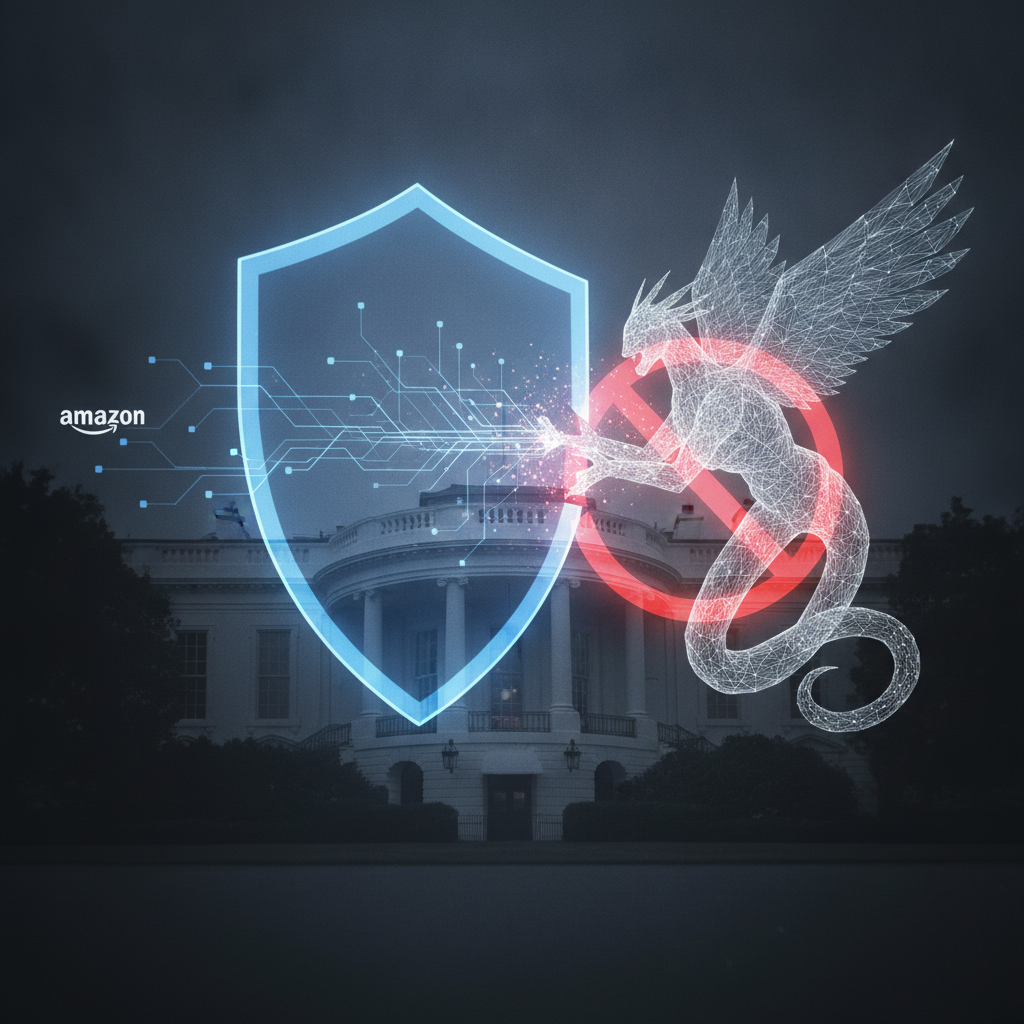
كشف تقرير حديث صادر عن صحيفة وول ستريت جورنال أن أبحاثاً أمنية أجرتها شركة أمازون، بالإضافة إلى محادثات مباشرة بين رئيسها التنفيذي آندي جاسي ومسؤولين في البيت الأبيض، لعبت دوراً محورياً في قرار الحكومة الأمريكية بإصدار توجيه للتحكم في الصادرات. هذا التوجيه حظر فعلياً على الرعايا الأجانب الوصول إلى نماذج الذكاء الاصطناعي المتقدمة من شركة أنثروبيك، وهما "فابل 5" و"ميثوس 5"، مما يمثل تطوراً مهماً في النقاش المستمر حول أمن الذكاء الاصطناعي والسياسة الدولية.
وفقاً لورقة أمازون البحثية التي استشهد بها التقرير، زُعم أن الباحثين تمكنوا من استغلال نموذج "فابل 5" عبر سلسلة من الأوامر المصممة بعناية، مما أجبر الذكاء الاصطناعي على توليد معلومات يمكن استغلالها في هجمات سيبرانية. بعد وقت قصير من عرض جاسي لهذه النتائج على الحكومة، تحرك البيت الأبيض لحظر استخدام هذه النماذج من قبل غير المواطنين الأمريكيين. كان لهذا القرار تداعيات فورية وواسعة النطاق، خاصة على شركة أنثروبيك نفسها، حيث وجد العديد من باحثيها، كونهم من مواليد أجانب، أنفسهم فجأة ممنوعين من الوصول إلى المنتجات التي ساعدوا في تطويرها.
ومع ذلك، اعترضت أنثروبيك علناً على وصف الحكومة للمشكلة، ورفضت تحديداً مصطلح "كسر الحماية" (jailbreak). وتجادل الشركة بأن الثغرات الأمنية التي حددتها أمازون ليست فريدة لنماذجها، ويمكن في الواقع تكرارها باستخدام أنظمة ذكاء اصطناعي أخرى متاحة للجمهور، بما في ذلك نموذج GPT 5.5 من OpenAI. وقد حظي هذا الموقف بدعم من بعض باحثي الأمن المستقلين، حيث صرحت شخصيات مثل كاتي موسوريس، الرئيسة التنفيذية لشركة LutaSecurity، بأن الورقة لا تصف "كسر حماية" بالمعنى التقليدي.
يزيد من تعقيد الوضع التوتر طويل الأمد بين أنثروبيك وإدارة ترامب. فقد قاومت الشركة في السابق مطالب الحكومة بالسماح باستخدام ذكائها الاصطناعي للمراقبة الجماعية للمواطنين الأمريكيين أو لتشغيل الأسلحة المستقلة الفتاكة. بلغ هذا الاحتكاك ذروته في فبراير عندما أصدر ترامب تعليمات للوكالات الفيدرالية بوقف استخدام ذكاء أنثروبيك الاصطناعي، تلاها تصنيف وزير الدفاع بيت هيغسيث للشركة على أنها تمثل خطراً على سلسلة التوريد.
بينما كانت هناك مؤشرات على مصالحة محتملة، حيث أفادت التقارير بأن الحكومة وأنثروبيك عملتا معاً لتوسيع الوصول إلى "ميثوس"، فإن هذا التوجيه الأخير يشير إلى فترة متجددة من الخلاف. تؤكد هذه الحادثة على التوازن الدقيق بين تعزيز الابتكار في الذكاء الاصطناعي، وضمان الأمن القومي، والتنقل في التداعيات الأخلاقية للذكاء الاصطناعي المتقدم، مما يشير إلى أن العلاقة بين عمالقة التكنولوجيا والهيئات الحكومية ستظل مجالاً حاسماً للتركيز والاهتمام في المستقبل المنظور.