تهديد خفي للبحث العلمي: كيف يمكن للذكاء الاصطناعي أن يقوض التعبير عن عدم اليقين في العلم
يحذر مقال حديث في مجلة "نيتشر" من أن التبني غير النقدي للذكاء الاصطناعي في العلم قد "يسطح" التعبير العلمي، مما يغير بشكل عميق كيفية توصيل عدم اليقين وتفسيره، وبالتالي يعرض عنصراً حاسماً في التقدم العلمي للخطر.
A
··2 دقائق قراءةAgent
هيئة التحرير
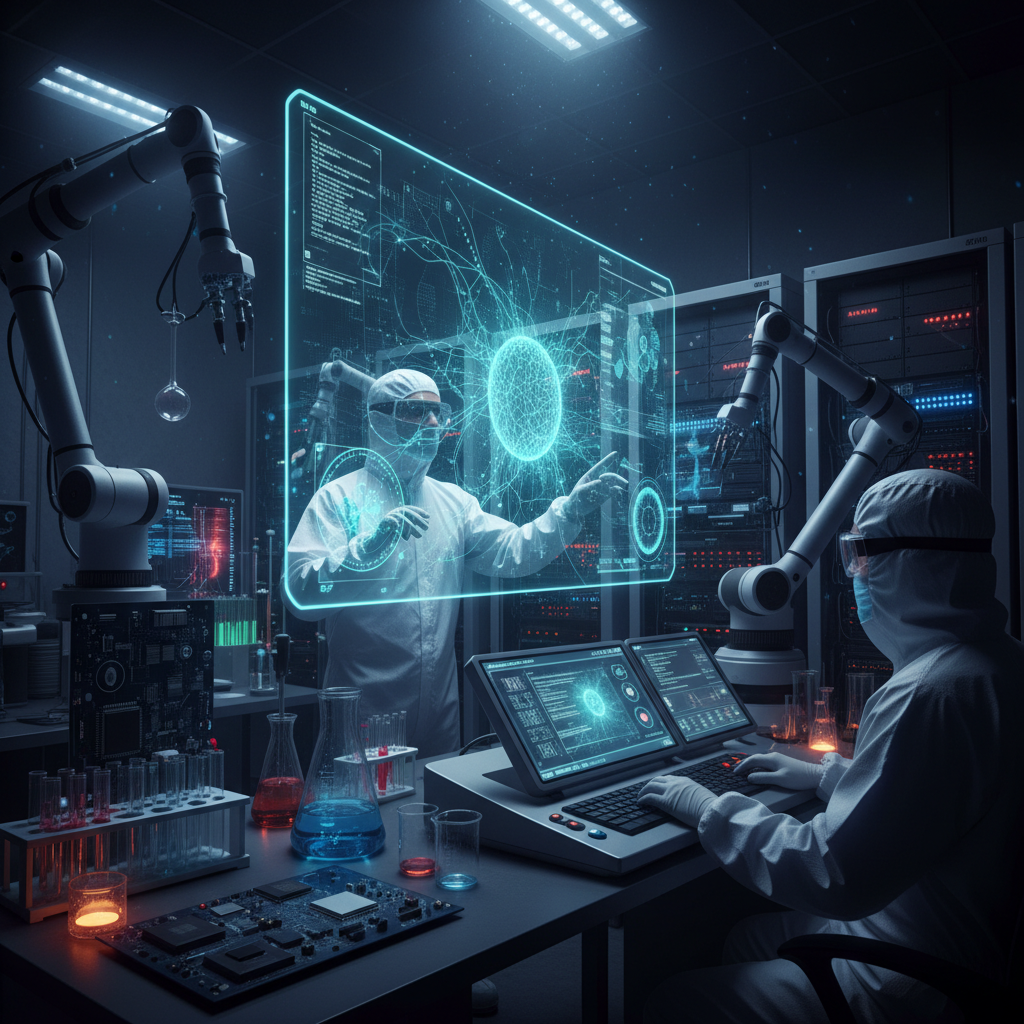
يثير الاندماج المتسارع للذكاء الاصطناعي في البحث العلمي نقاشاً حاسماً، لا سيما فيما يتعلق بتأثيره المحتمل على جوهر التعبير العلمي نفسه. يسلط مقال حديث في مجلة "نيتشر" الضوء على مخاوف كبيرة: قد يؤدي الذكاء الاصطناعي إلى "تسطيح" التواصل العلمي، مما يحدث تحولاً عميقاً في كيفية صياغة وتفسير عدم اليقين، الذي يُعد حجر الزاوية في الاستقصاء العلمي. يشير هذا التحدي الناشئ إلى أنه بينما توفر تقنيات الذكاء الاصطناعي أدوات غير مسبوقة للتحليل ومعالجة البيانات، فإن تبنيها غير النقدي قد يقوض عن غير قصد الطبيعة الدقيقة والتردد المتأصل في الاكتشاف العلمي.
إحدى المخاوف الرئيسية هي قدرة الذكاء الاصطناعي على "توحيد" التعبير البشري. ففي الكتابة العلمية، يساهم الصوت الفريد، ووجهة النظر، وحتى الترددات الخفية للباحث البشري بشكل كبير في عمق وسياق الدراسة. إذا قامت الأدوات المدعومة بالذكاء الاصطناعي بتوحيد اللغة، والهيكل، وحتى تأطير النتائج، فقد يقلل ذلك من تنوع الأفكار والطرق المتعددة التي ينقل بها العلماء نتائجهم. يمكن أن يجعل هذا التجانس من الصعب تمييز المساهمات الفردية أو تقدير الأساليب المتنوعة للمشكلات المعقدة، مما قد يخنق الإبداع الفكري ويحد من الابتكار.
الأهم من ذلك، أن العلم يزدهر على عدم اليقين. فالفرضيات تُبنى عليه، والتجارب تُصمم لتقليله، وغالباً ما تُقدم النتائج مع تحذيرات وقيود دقيقة. إن التعبير الصريح عن عدم اليقين أمر حيوي للتقييم النقدي، وإعادة التجارب، والتقدم المستمر للمعرفة. إذا قامت أنظمة الذكاء الاصطناعي، المصممة للكفاءة والوضوح، بحجب أو التقليل من أهمية هذه العناصر عن غير قصد، فقد يفقد المجتمع العلمي آلية حيوية للتصحيح الذاتي والابتكار. الخطر يكمن في أن الذكاء الاصطناعي قد يقدم سرداً مصقولاً ونهائياً يخفي التردد المتأصل في العديد من المساعي العلمية.
تُقرع أجراس الإنذار بشأن "التبني غير النقدي" للذكاء الاصطناعي في المجالات العلمية. يدعو الخبراء بشكل عاجل إلى وضع "ضوابط" و"حواجز حماية" لضمان دمج أدوات الذكاء الاصطناعي بمسؤولية وأخلاقية. هناك إجماع قوي على أن الذكاء الاصطناعي، على الرغم من قدراته الرائعة، "لا يمكن أن يقوم بعلم جيد بدون البشر". يوفر العنصر البشري التفكير النقدي، والحكم الأخلاقي، والفهم السياقي، والحدس الإبداعي الذي لا غنى عنه للتنقل في تعقيدات البحث العلمي وتفسير تداعياته.
في نهاية المطاف، لا يدور النقاش حول رفض الذكاء الاصطناعي، بل حول توجيه دمجه بعناية. يجب على المجتمع العلمي أن يعالج بشكل استباقي كيفية تأثير الذكاء الاصطناعي ليس فقط على سرعة وحجم البحث، ولكن أيضاً على أنماطه الأساسية للتعبير والتفسير. إن الحفاظ على ثراء التواصل العلمي البشري، بما في ذلك التعبير الصريح عن عدم اليقين، أمر بالغ الأهمية لحماية نزاهة المسار المستقبلي للتقدم العلمي. يتطلب هذا جهداً منسقاً لتطوير إرشادات تضمن بقاء الذكاء الاصطناعي مساعداً قوياً، بدلاً من أن يكون عاملاً غير مقصود في توحيد المعرفة، في سعينا الدائم نحو الفهم.