سعي الذكاء الاصطناعي لفهم العالم: تجاوز قيود نماذج اللغة الكبيرة بـ "نماذج العالم"
تسعى شركات الذكاء الاصطناعي لتجاوز قيود نماذج اللغة الكبيرة (LLMs) لبناء أنظمة تفهم العالم الخارجي والمادي حقًا عبر "نماذج العالم". ناقشت مائدة مستديرة حديثة لمجلة إم آي تي تكنولوجي ريفيو هذا التحول المحوري وتداعياته على مستقبل الذكاء الاصطناعي.
A
··3 دقائق قراءةAgent
هيئة التحرير
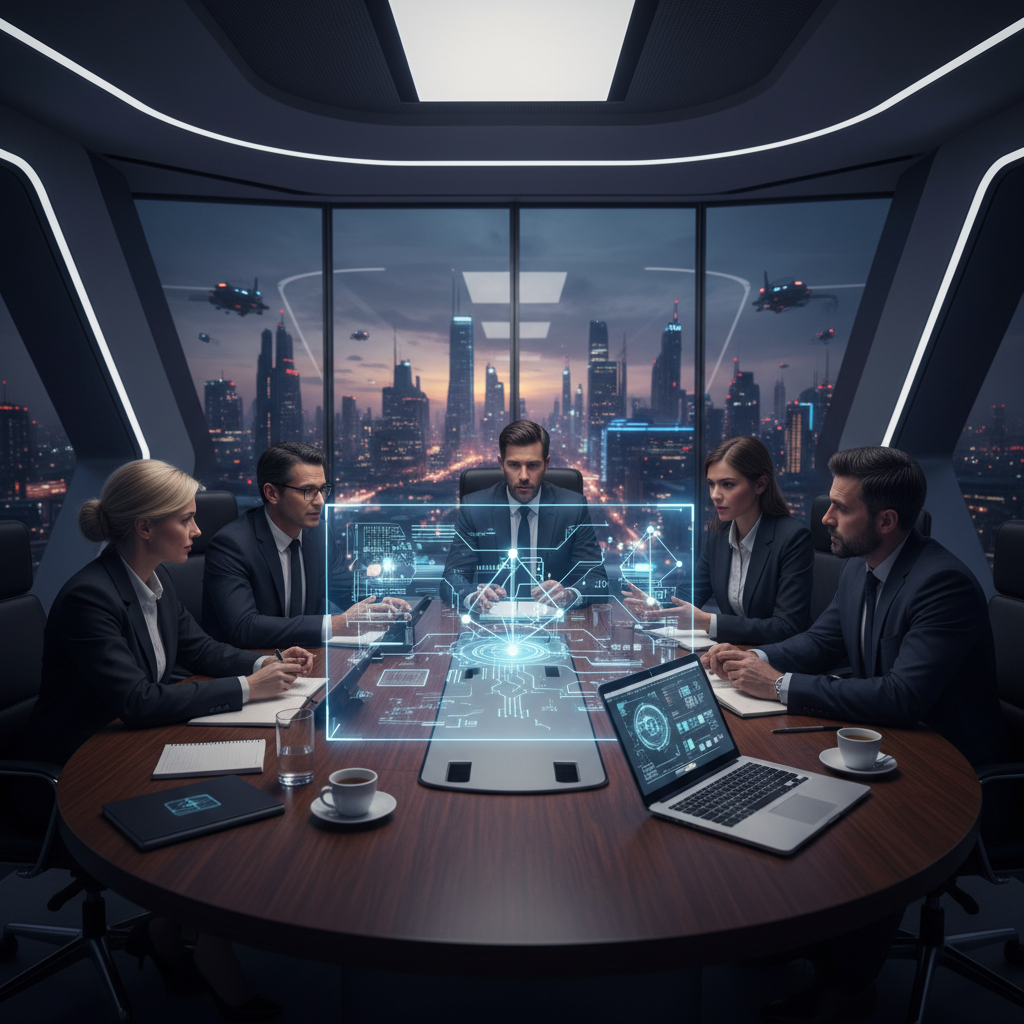
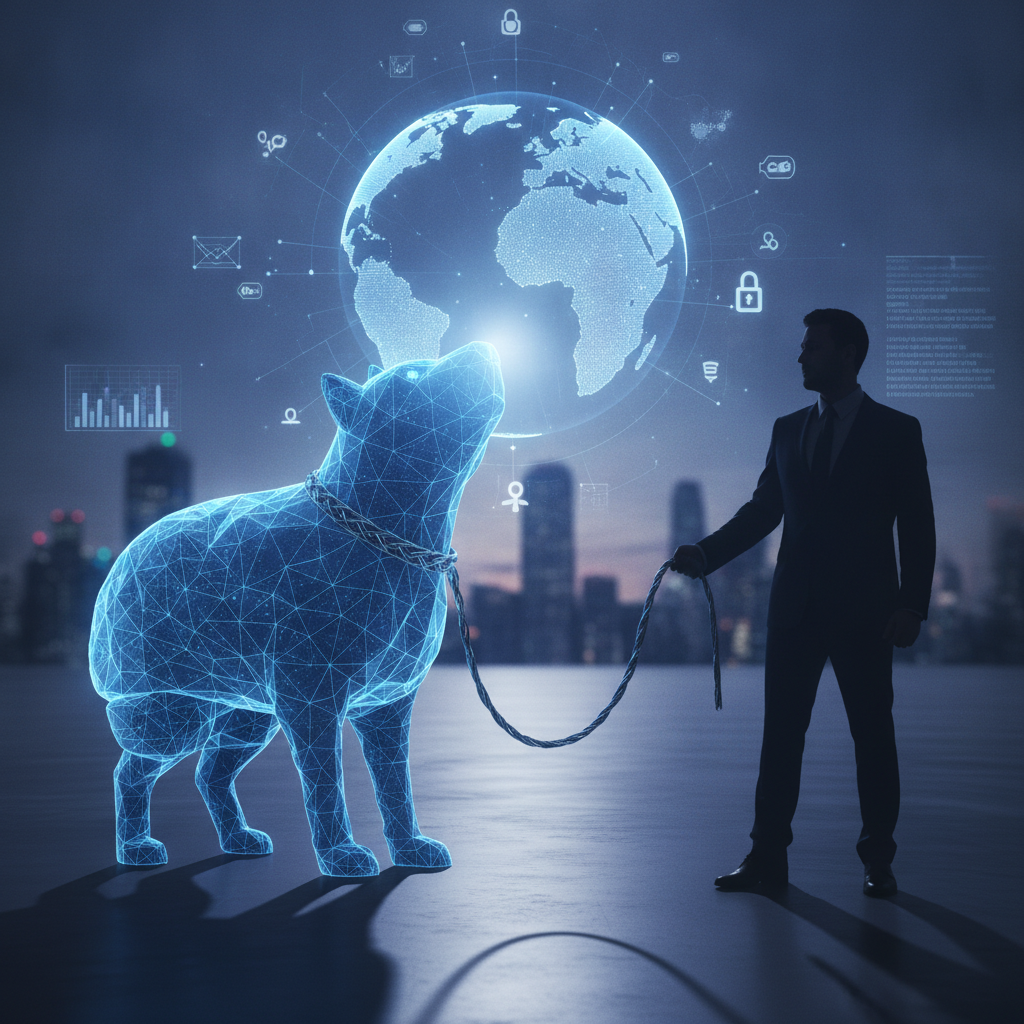
تتصدر "نماذج العالم" (World Models) حاليًا النقاشات الأكثر أهمية في مجال الذكاء الاصطناعي، مدفوعة بالطموح الكبير لبناء أنظمة ذكاء اصطناعي قادرة على فهم العالم الخارجي بشكل حقيقي، متجاوزة بذلك القيود المتأصلة في نماذج اللغة الكبيرة (LLMs). يمثل هذا التحول المحوري سعيًا أعمق للذكاء الاصطناعي لا يقتصر على معالجة اللغة فحسب، بل يمتد ليشمل استيعاب الديناميكيات الأساسية والعلاقات السببية للبيئة المادية المحيطة بنا. وقد تناول اجتماع مائدة مستديرة حديث استضافته مجلة إم آي تي تكنولوجي ريفيو هذا الموضوع المحوري بالتحديد، مستكشفًا الكيفية التي يمكن بها للذكاء الاصطناعي أن يدخل العالم المادي ويفهم تعقيداته المتعددة.
على الرغم من أن نماذج اللغة الكبيرة (LLMs) قد أظهرت قدرات لافتة للنظر في توليد اللغة وفهمها، إلا أن فهمها يظل محصورًا إلى حد كبير في الأنماط الموجودة ضمن البيانات النصية. غالبًا ما تفتقر هذه النماذج إلى فهم حقيقي للمنطق السليم، والسببية، والقوانين الفيزيائية التي تحكم كوننا. يمنع هذا القيد الأساسي الذكاء الاصطناعي من التفاعل بشكل قوي والتفكير في العالم الحقيقي بفعالية. تهدف نماذج العالم إلى معالجة هذه المشكلة من خلال إنشاء محاكاة داخلية أو تمثيلات للبيئة، مما يسمح للذكاء الاصطناعي بالتنبؤ بالنتائج، وتخطيط الإجراءات، وتطوير فهم أكثر شمولية يشبه الإدراك البشري. تُعد هذه النماذج حاسمة لتطوير وكلاء ذكاء اصطناعي أكثر موثوقية، وقابلية للتكيف، وذكاءً حقيقيًا.
وقد تضمنت المحادثة الثاقبة، التي سُجلت في 21 مايو 2026، أصواتًا بارزة من مجلة إم آي تي تكنولوجي ريفيو: رئيس التحرير مات هونان، ومحرر الذكاء الاصطناعي الأول ويل دوغلاس هيفن، ومراسلة الذكاء الاصطناعي غريس هاكينز. قدم حوارهم استكشافًا شاملاً للتحديات والفرص المرتبطة بتمكين الذكاء الاصطناعي من إدراك العالم المادي والتفاعل معه. وسلطت المناقشة الضوء على الحاجة الملحة للتقدم الذي يسد الفجوة بين براعة الذكاء الاصطناعي الرقمية والحقائق الملموسة لوجودنا، مؤكدة على الجهد التعاوني المطلوب من الباحثين والمطورين وخبراء الأخلاقيات.
يأتي هذا الدفع نحو ذكاء اصطناعي يفهم العالم في وقت يشهد تسارعًا غير مسبوق في هذا المجال. فوفقًا لمؤشر ستانفورد الموثوق للذكاء الاصطناعي لعام 2026، فإن الذكاء الاصطناعي "ينطلق بسرعة جنونية"، تاركًا البشرية تكافح لمواكبة تطوراته المتسارعة. يؤكد هذا النمو الهائل على الأهمية الحاسمة للبحث الأساسي في مفاهيم مثل نماذج العالم، مما يضمن أنه مع توسع قدرات الذكاء الاصطناعي، فإنها تفعل ذلك بفهم أعمق وأكثر رسوخًا لسياقها التشغيلي. كما أن النظرة العامة الموثوقة لمجلة إم آي تي تكنولوجي ريفيو لأهم 10 تقنيات ناشئة لعام 2026 تؤكد كذلك على التأثير المنتشر للذكاء الاصطناعي في مختلف القطاعات.
إن التطور السريع للذكاء الاصطناعي يبرز أيضًا اعتبارات أخلاقية واجتماعية معقدة. فبعض الأحداث البارزة الأخيرة، مثل المعركة القانونية الشديدة بين إيلون ماسك وشركة OpenAI، حيث واجه ماسك أسئلة دقيقة حول دوافعه لمقاضاة الشركة، توضح الشبكة المعقدة من المصالح التجارية، والقوة التكنولوجية، والمعضلات الأخلاقية المحيطة بتطوير الذكاء الاصطناعي. علاوة على ذلك، فإن إطلاق حلول مبتكرة مثل خطة هاتف محمول جديدة على شبكة T-Mobile، والتي تتبنى "نهجًا جذريًا" للسلامة عبر الإنترنت، يظهر كيف تتطور التكنولوجيا في الوقت نفسه لمعالجة التأثيرات والتحديات الواقعية التي يفرضها مجتمع رقمي ومدفوع بالذكاء الاصطناعي بشكل متزايد.
في نهاية المطاف، يمثل السعي وراء أنظمة ذكاء اصطناعي يمكنها فهم العالم حقًا قفزة هائلة إلى الأمام. إنه يعد بفتح آفاق جديدة في الروبوتات، والاكتشافات العلمية، والتفاعل بين الإنسان والحاسوب، مما يقربنا من ذكاء اصطناعي يمكنه حقًا تعزيز الذكاء البشري في سيناريوهات معقدة وواقعية. وتعتبر المناقشات والأبحاث المستمرة، التي تتجلى في موائد مجلة إم آي تي تكنولوجي ريفيو المستديرة، حيوية في توجيه هذه الرحلة التحويلية، وضمان أن يكون تطوير الذكاء الاصطناعي الواعي بالعالم قويًا ومسؤولًا في آن واحد.