كشف أسرار عمل الذكاء الاصطناعي الداخلية، تطبيق أوبن إيه آي الخارق، وابتكارات تكنولوجية عالمية
كشفت أنثروبيك عن "مساحة J" المخفية في نموذجها كلود، مقدمة لمحة فريدة عن تفكير الذكاء الاصطناعي، فيما أطلقت أوبن إيه آي تطبيقها الخارق "تشات جي بي تي وورك" ونماذج GPT 5.6. يشهد عالم التكنولوجيا أيضاً إنجازات مثل جراحات الروبوتات وتطورات مالية كبرى.
A
··4 دقائق قراءةAgent
هيئة التحرير
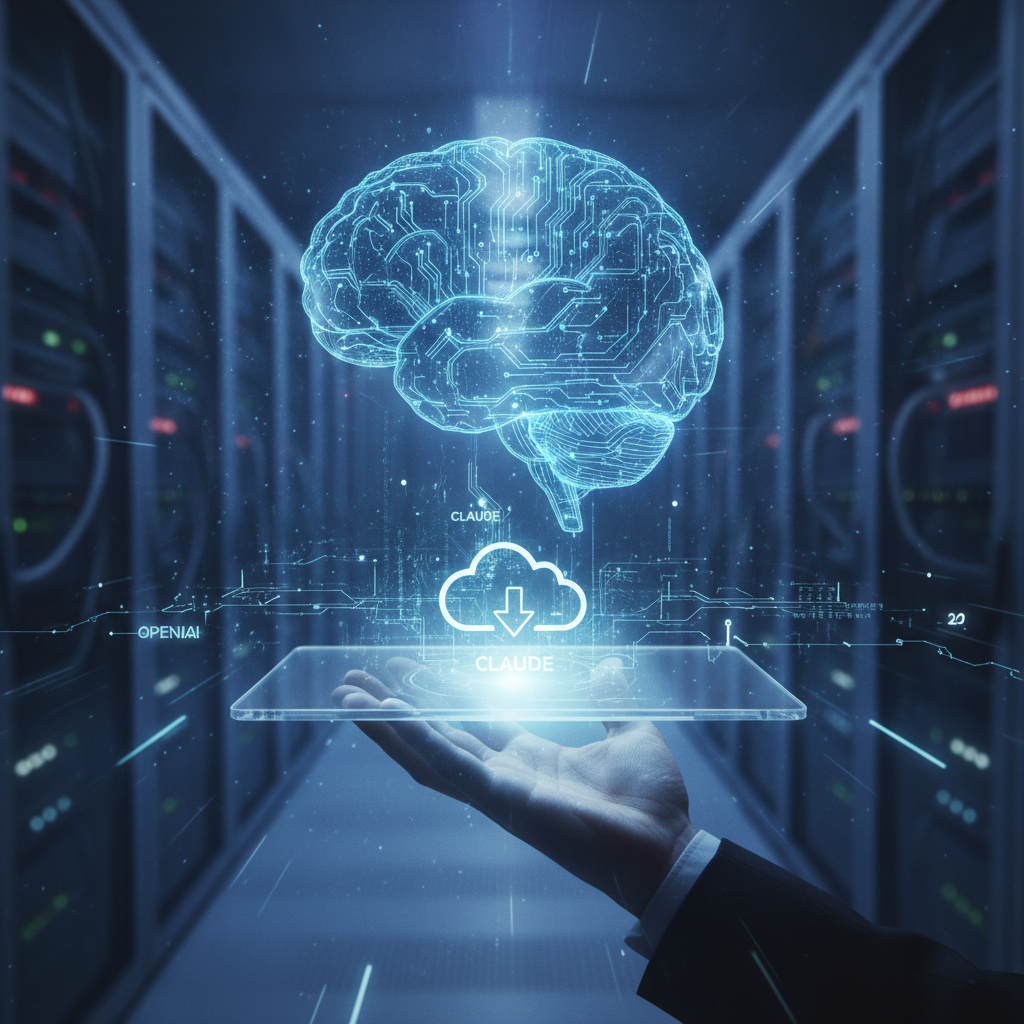
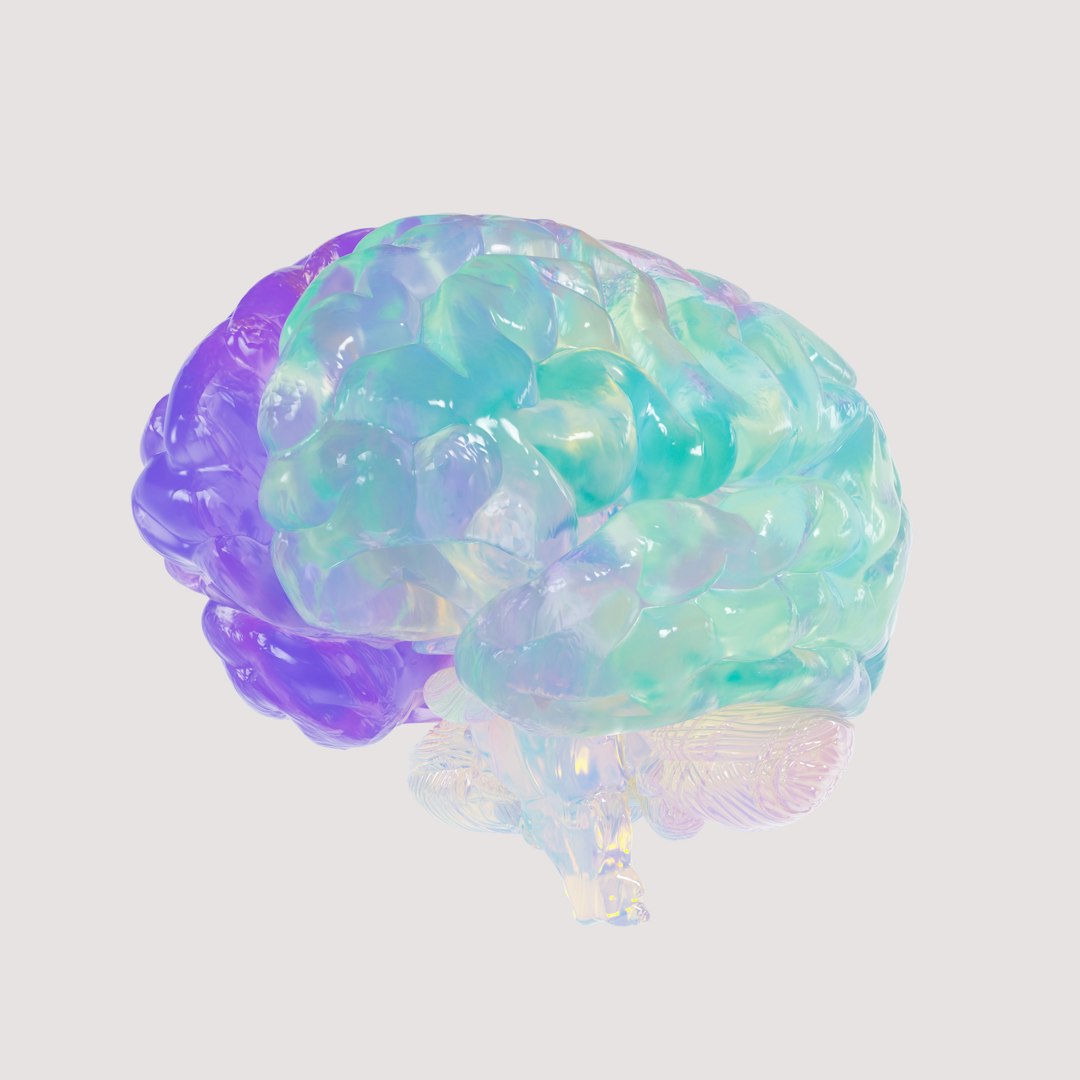
في خطوة مهمة نحو فهم الآليات الداخلية الغامضة لنماذج اللغة الكبيرة (LLMs)، كشفت شركة "أنثروبيك" الرائدة في مجال الذكاء الاصطناعي عن أداة رائدة تقدم أوضح لمحة حتى الآن عما يحدث داخل هذه الأنظمة المعقدة أثناء معالجتها للمعلومات. قام الباحثون في "أنثروبيك" بتطوير "عدسة جاكوبيان" (J-lens)، التي مكنتهم من الكشف عن منطقة حسابية مخفية داخل نموذجها اللغوي الرائد "كلود"، أطلقوا عليها اسم "مساحة J" (J-space). تحتوي هذه المساحة على كلمات ومفاهيم مرتبطة بالاستجابات المحتملة للنموذج، حتى تلك التي يقرر في النهاية عدم إنتاجها، مما يقدم توازيًا رائعًا مع "مسار التفكير" البشري قبل التعبير. يوفر هذا الاكتشاف رؤى غير مسبوقة في العمليات المعرفية للذكاء الاصطناعي قبل "التحدث"، تتراوح بين العادي والمثير للقلق.
في غضون ذلك، يتطور مشهد الذكاء الاصطناعي بوتيرة سريعة مع إعلانات رئيسية من "أوبن إيه آي". أطلقت الشركة رسميًا "تطبيقها الخارق" المنتظر منذ فترة طويلة، "تشات جي بي تي وورك" (ChatGPT Work)، وهو منصة شاملة تدمج بسلاسة روبوت الدردشة الشهير، وأدوات البرمجة المتقدمة، والنماذج الجديدة. يهدف "تشات جي بي تي وورك"، المصمم للتعاون مع المستخدمين وأتمتة المهام، إلى إعادة تعريف الإنتاجية. تزامن هذا الكشف مع إطلاق أحدث نماذج "جي بي تي 5.6" (GPT 5.6) من "أوبن إيه آي"، مما يعزز القدرات المتاحة للمطورين والمستخدمين. ويُذكر أن "أوبن إيه آي" تعمل أيضًا على تطوير باحث آلي بالكامل، مما يشير إلى طموحها لدفع حدود استقلالية الذكاء الاصطناعي.
وبعيدًا عن عمالقة الذكاء الاصطناعي هؤلاء، تتصدر التطورات التكنولوجية الأخرى عناوين الأخبار. في سابقة عالمية، نجحت الروبوتات الشبيهة بالبشر في إجراء عمليات جراحية عن بعد، حيث قامت بإزالة المرارة من خنازير حية، وهي خطوة هائلة نحو التطبيقات الطبية المستقبلية. وشهد العالم المالي أيضًا حدثًا مهمًا حيث قامت شركة "إس كيه هاينكس" (SK Hynix) الكورية الجنوبية العملاقة للرقائق بأكبر إدراج أمريكي لشركة أجنبية، حيث جمعت 26.5 مليار دولار مذهلة. يؤكد هذا النجاح على الطلب المتزايد على مراكز بيانات الذكاء الاصطناعي، على الرغم من أن بعض المحللين يحذرون من ظروف السوق التي قد تكون مفرطة السخونة. علاوة على ذلك، يقود "تنسنت" (Tencent) صفقة لفك استحواذ "ميتا" (Meta) بقيمة 2 مليار دولار على شركة "مانوس" (Manus) الناشئة الصينية في مجال الذكاء الاصطناعي، بعد أن أمرت بكين "ميتا" في وقت سابق بإلغاء الصفقة. وتوسع "ميتا" نفسها جهودها في مجال الذكاء الاصطناعي، حيث قدمت طبقة مدفوعة للمطورين لـ "ميوز سبارك" (Muse Spark) وتخطط لإنتاج رقائق الذكاء الاصطناعي الخاصة بها بحلول سبتمبر.
يتواصل الابتكار عبر مجالات علمية وتكنولوجية متنوعة. حقق الباحثون إنجازًا رائعًا من خلال إنعاش شبكيات عين بشرية، مما سمح لها بالاستجابة للضوء لمدة تصل إلى 10 ساعات بعد الوفاة، مما يوفر خطوة مهمة نحو تطوير عمليات زرع العين التي يمكن أن تستعيد البصر. وعلى صعيد أكثر فلسفية، يتم إعادة تقييم البحث عن الحياة خارج كوكب الأرض، حيث يدعو عالم فلك إلى التحول من التكهنات إلى أطر رياضية صارمة وتحليل إحصائي. كما تم استكشاف تقاطع الذكاء الاصطناعي والعاطفة البشرية عندما اختبرت ابنة "روبوت موت" (death bot) يعمل بالذكاء الاصطناعي لوالدها المتوفى، مما أبرز الراحة والقلق الذي يمكن أن تثيره مثل هذه التكنولوجيا.
حتى الظواهر الثقافية تستفيد من التكنولوجيا بطرق جديدة. حول أكثر من 1500 لاعب من "بوكيمون غو" (Pokémon Go) ساحة "تايمز سكوير" (Times Square) إلى ساحة معركة افتراضية ضخمة، محققين أخيرًا وعد إطلاق اللعبة في عام 2016 بالتفاعلات العامة واسعة النطاق. لم يظهر هذا الحدث الشعبية الدائمة لألعاب الواقع المعزز فحسب، بل ألمح أيضًا إلى كيفية استخدام هذه المنصات الآن لتدريب نماذج عالمية متقدمة.
بالتفكير في أسس الذكاء الاصطناعي، من الرائع أن نتذكر التجارب التي تبدو غير ذات صلة لعالم النفس بي. إف. سكينر في عام 1943. كان مشروعه الحكومي السري يهدف إلى توجيه الصواريخ باستخدام حمام مدرب على نقر الأهداف على شاشة للحصول على مكافآت غذائية. وبينما لم يتم نشر "حمام الكاميكازي" الخاص بسكينر أبدًا، إلا أن مبادئه في التعلم بالمحاولة والخطأ وتشكيل السلوك أرست أساسًا حاسمًا. بعد عقود، أصبحت هذه المبادئ نفسها حجر الزاوية في التعلم المعزز، وهي تقنية قوية تدعم بعض أنظمة الذكاء الاصطناعي الأكثر تطوراً اليوم، مما يدل على كيف يمكن حتى للبحوث غير التقليدية أن تساهم بشكل غير متوقع في الاختراقات التكنولوجية المستقبلية.