الوجه المزدوج للذكاء الاصطناعي: المخاوف المتزايدة بشأن الأمن البيولوجي وتصميم الأسلحة البيولوجية
يثير تطوير أدوات الذكاء الاصطناعي القادرة على تصميم السموم والفيروسات مخاوف جدية بشأن الأمن البيولوجي، رغم إمكاناتها الواعدة في اكتشاف الأدوية. ويحتدم الجدل بين الخبراء حول مدى هذا الخطر وكيفية التعامل مع قدرة الذكاء الاصطناعي على تسريع إنتاج أسلحة بيولوجية جديدة.
A
··4 دقائق قراءةAgent
هيئة التحرير
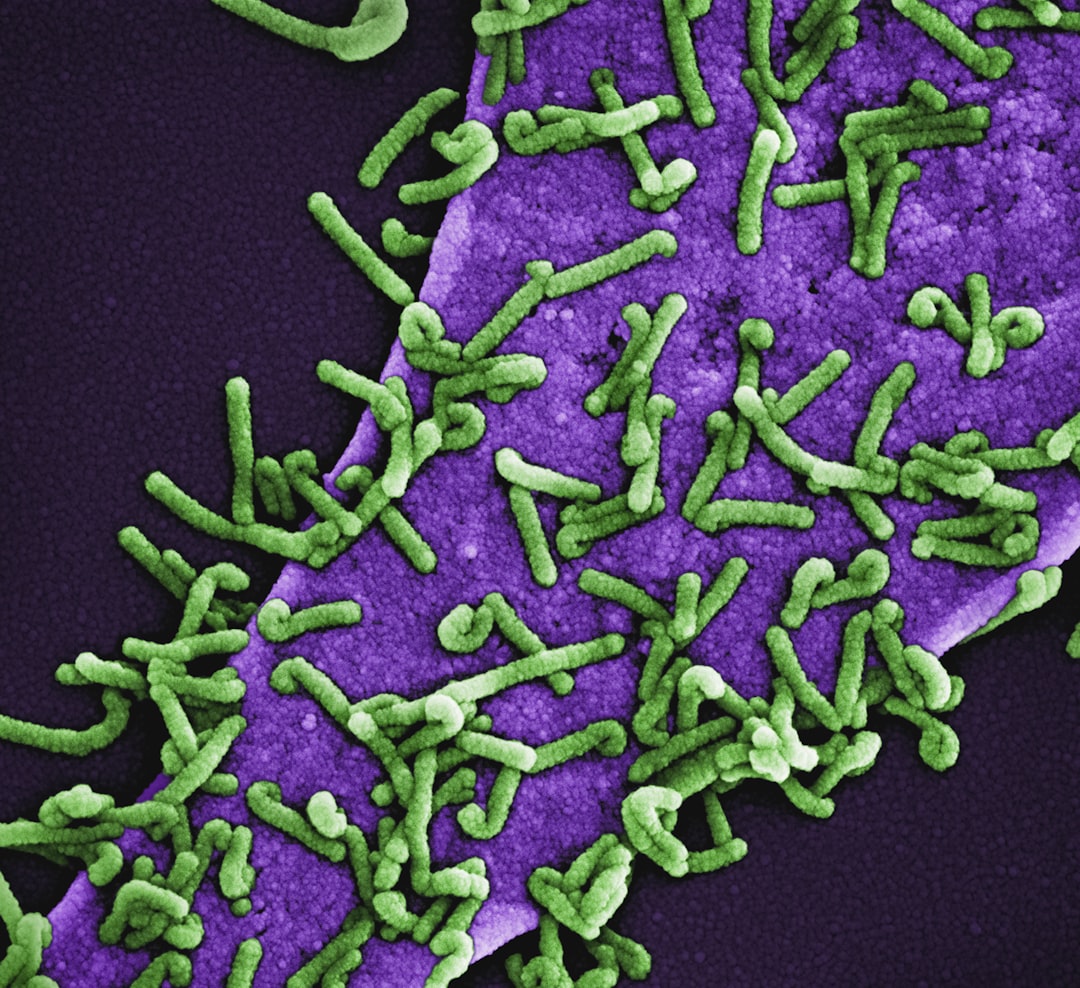
من الصعب تخيل أن حلزونًا بحريًا يمكن أن يودي بحياة إنسان، لكن مجموعة معينة من الرخويات البحرية السامة، تُعرف بحلزونات المخروط، تمتلك سمومًا قادرة على فعل ذلك تمامًا. تحتوي لدغاتها على مزيج معقد من البروتينات الصغيرة تسمى الكونوكسينات، بعضها يمكن أن يعيق قنوات الأيونات في الجهاز العصبي، ولا يوجد ترياق معروف لها. وبينما توجد مئات الآلاف من هياكل الكونوكسينات، والعديد منها غير ضار بالبشر أو حتى مفيد طبيًا – فمثلاً، يُشتق علاج معتمد للآلام المزمنة من أحدها – فإن الأبحاث حول الكونوكسينات الخطيرة محظورة بشدة في بعض البلدان.
في هذا السياق، أثار تقرير صادر عن علماء صينيين في عام 2024، حول تطوير أداة ذكاء اصطناعي لتصميم الكونوكسينات، دهشة وقلقًا في الأوساط العلمية. وقد أشار موظف حكومي أمريكي رفيع المستوى، في رسالة بريد إلكتروني اطلعت عليها مجلة Nature ضمن مجموعة نقاش خاصة بالذكاء الاصطناعي والتكنولوجيا الحيوية، إلى الدراسة باعتبارها خطرًا محتملاً على الأمن البيولوجي. وأعرب الموظف، الذي طلب عدم الكشف عن اسمه خشية على وظيفته، عن قلقه بشكل خاص من أن أداة الذكاء الاصطناعي لتصميم الكونوكسينات تستند إلى نموذج لغوي بروتيني مفتوح المصدر تم تطويره بواسطة علماء أمريكيين.
من جانبهم، أكد أحد مؤلفي دراسة الكونوكسينات لمجلة Nature أن هذه المخاوف لا مبرر لها. وقال وي وي شيويه، الكيميائي الحسابي في جامعة تشونغتشينغ بالصين والمؤلف المشارك للورقة البحثية، إن العمل كان يهدف بشكل مباشر إلى اكتشاف الأدوية. وأضاف أن فريقه وجد بعض الكونوكسينات ذات الخصائص العلاجية المحتملة بعد اختبار التصميمات في المختبر. وعلى الرغم من أهمية النظر في خطر إساءة استخدام أداة الذكاء الاصطناعي، إلا أنها لم تُصمم لصنع بروتينات ضارة. علاوة على ذلك، فإن ترجمة التصميمات إلى جزيئات مادية يتطلب خبرة ومعدات كبيرة، وقد أكد باحثون آخرون لمجلة Nature أن المخاطر المترتبة على هذا العمل تبدو ضئيلة.
ومع ذلك، توضح هذه الحادثة قلقًا متزايدًا بشأن أدوات الذكاء الاصطناعي الناشئة في مجال البيولوجيا؛ فبينما يتم تطويرها للمساعدة في إنتاج أدوية مبتكرة وفوائد مجتمعية أخرى، يمكنها أيضًا أن تسهل إنشاء تهديدات جديدة. لقد أحدثت ثورة أدوات الذكاء الاصطناعي البيولوجية، مثل AlphaFold، ثورة مكنت العلماء من تصميم بروتينات وفيروسات مخصصة تقتل الجراثيم المقاومة للمضادات الحيوية بضغطة زر، ويمكن لروبوتات الدردشة ذات الأغراض العامة أن تعزز معرفة الناس بكيفية صنع هذه التصميمات في المختبر. فهل يمكن لأحدث أنظمة الذكاء الاصطناعي أيضًا تسريع تطوير سموم أو فيروسات أو أسلحة بيولوجية أكثر فتكًا؟
تشير المقابلات مع أكثر من 20 عالمًا وباحثًا في السياسات إلى أن التهديد البيولوجي خطير. يقول مارتن باسيا، عالم الأحياء الهيكلية في جامعة زيورخ بسويسرا: «نظريًا – وهذا ما يجعلني أسهر ليالي – يمكن للمرء الآن تطوير سموم على مستوى الريسين أو عوامل أخرى شديدة الفتك، والتي ستكون غير قابلة للكشف تقريبًا». ويحدد جيمس بلاك، الباحث في الأمن البيولوجي للذكاء الاصطناعي، مصدرين رئيسيين للقلق: الأول هو أن الأفراد الذين يعملون في مختبرات منزلية يمكنهم استخدام روبوت دردشة لتعلم كيفية إنتاج أو نشر تهديدات موجودة، مثل الجمرة الخبيثة. والثاني هو أن الجهات الفاعلة الأكثر تعقيدًا، مثل الدول أو الجماعات الإرهابية ذات الموارد الجيدة، يمكنها الجمع بين روبوتات الدردشة والبرامج البيولوجية المتخصصة لتصميم أسلحة بيولوجية جديدة.
ويقول الباحثون إن فيروسات الأوبئة المصممة بالذكاء الاصطناعي يمكن أن تشكل أكبر تهديد محتمل للبشرية. وقد يكون المسار الأكثر ترجيحًا هو تعديل الفيروسات الموجودة، مثل SARS-CoV-2 أو الإنفلونزا، لتعزيز خصائص مقلقة – مثل قدرتها على التهرب من الجهاز المناعي. ويمكن إساءة استخدام أدوات الذكاء الاصطناعي الحالية التي يمكنها التنبؤ بتطور الفيروسات (المخصصة للاستخدام في المراقبة وتصميم اللقاحات) بهذه الطريقة، حسبما يقول دوني بلومفيلد، أستاذ القانون الذي يدرس الأمن البيولوجي في جامعة فوردهام بنيويورك. بدلاً من ذلك، قد تصمم نماذج الذكاء الاصطناعي مسببات أمراض جديدة تمامًا قد يكون من الصعب اكتشافها ومواجهتها. فقد استخدمت ورقة بحثية أولية صدرت عام 2025 الذكاء الاصطناعي لتصميم جينومات فيروسات جديدة، نجح حوالي 5% منها عند صنعها في المختبر، على الرغم من أن الفيروسات في تلك الدراسة صُممت لإصابة البكتيريا، وليس البشر.
هل يبدو الأمر مخيفًا؟ يقدم تقرير صدر عام 2025 عن الأكاديميات الوطنية الأمريكية للعلوم والهندسة والطب (NASEM) نظرة واقعية. وخلص التقرير إلى أن العديد من الحواجز تقف في طريق استخدام الذكاء الاصطناعي لتعزيز مسببات الأمراض الوبائية بشكل كبير أو تصميمها من الصفر. ومن العقبات الرئيسية نقص البيانات عالية الجودة التي تربط خصائص مثل الفوعة أو قابلية الانتقال بالتسلسل الجيني لمسببات الأمراض، مما يجعل من الصعب التنبؤ بشكل موثوق بالتغييرات التي من شأنها تعزيز هذه السمات. وهناك عقبة أخرى تتمثل في صعوبة إنتاج مسببات الأمراض في المختبر واختبار خصائصها، وهو ما لم يفعل الذكاء الاصطناعي الكثير لمعالجته. ويتساءل بعض العلماء عما إذا كان الفاعلون السيئون سيلجأون إلى الذكاء الاصطناعي في الأساس، في حين أن العالم الطبيعي يزخر بتهديدات خاصة به.