حرب الذكاء الاصطناعي: من الفرضية إلى الواقع، وصراع "أنثروبيك" والبنتاغون
لم يعد عصر حرب الذكاء الاصطناعي مستقبلاً بعيداً، بل حقيقة حاضرة، كما أبرزها الصراع المحتدم بين البنتاغون الأمريكي وشركة "أنثروبيك" الناشئة للذكاء الاصطناعي حول "الخطوط الحمراء" الأخلاقية للأسلحة ذاتية التشغيل. يؤكد هذا الصراع على عقود من دمج الذكاء الاصطناعي في الجيش، مما غير قدرات المراقبة والقتال.
A
··3 دقائق قراءةAgent
هيئة التحرير
إن فكرة تحويل الذكاء الاصطناعي لمشهد الحروب، التي كانت في السابق مقتصرة على الخيال العلمي والمناقشات التكهنية، قد تحولت بحزم إلى حقيقة ملموسة وواقعية في يومنا هذا. كان هذا التحول واضحاً بشكل صارخ لحاضري مؤتمر الأمم المتحدة لعام 2017 حول الأسلحة التقليدية المعينة في جنيف، وهو منتدى دولي مخصص للأنظمة الفتاكة ذاتية التشغيل. تتذكر برانكا ماريان، الباحثة البارزة في مشروع "بلاوشيرز" (Project Ploughshares)، القلق الملموس في ذلك العام، حيث بدا المستقبل الافتراضي لـ "الروبوتات القاتلة" فجأة قريباً وواقعياً بشكل مقلق، مبتعداً عن النقاشات النظرية المعتادة.
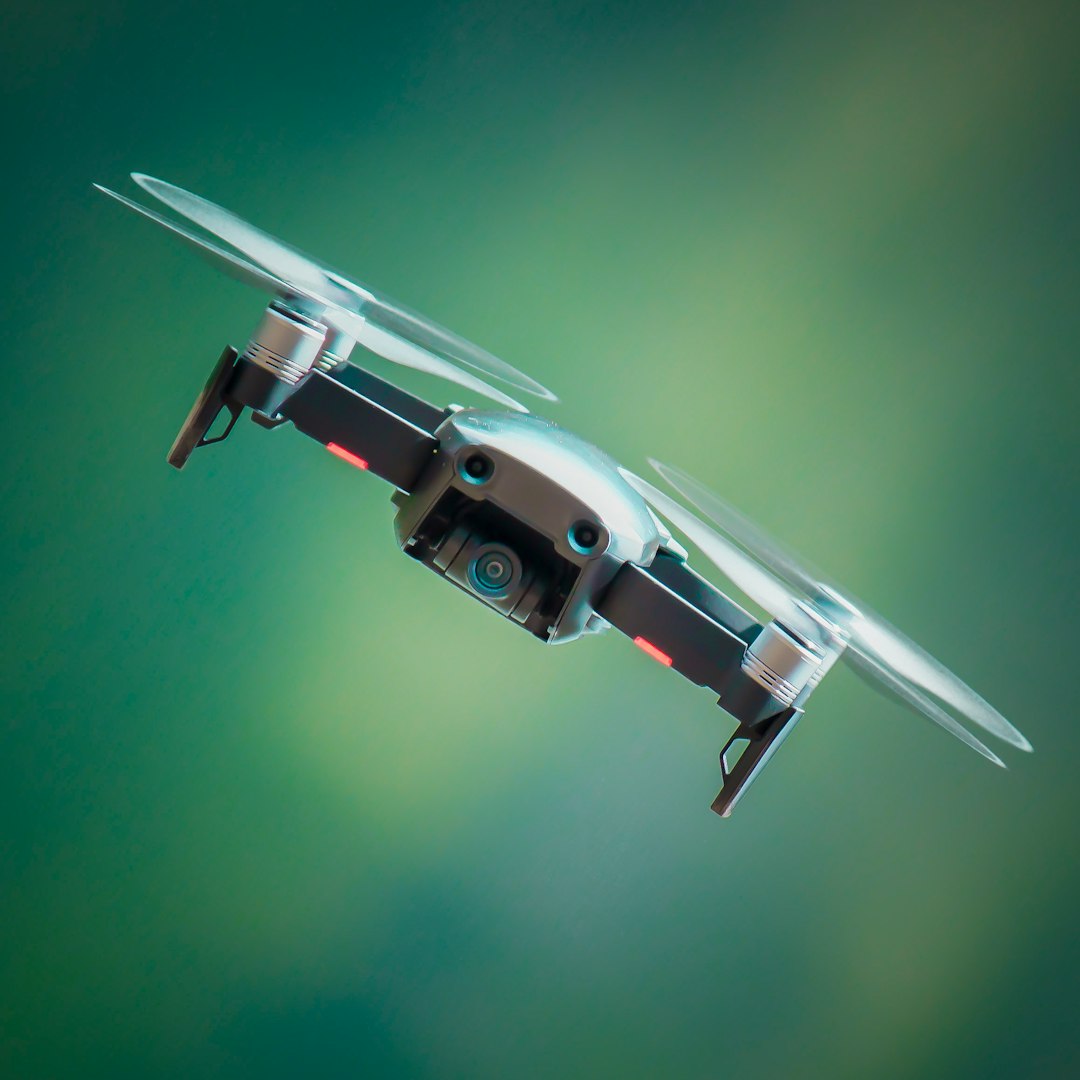
كانت نقطة التحول بالنسبة للكثيرين في اليوم الأول، مع عرض فيلم قصير بعنوان "سلتربوتس" (Slaughterbots)، من إنتاج معهد مستقبل الحياة. أظهر هذا الفيلم المرعب شركة دفاع خيالية تعرض طائرات بدون طيار تعمل بالذكاء الاصطناعي قادرة على شن ضربات دقيقة ذاتية التشغيل، حيث صرح رئيسها التنفيذي بشكل استفزازي: "دعونا نشاهد الأسلحة تتخذ القرارات". كان تأثير الفيلم عميقاً، ليس فقط لفرضيته، ولكن لأنه، كما أدركت ماريان، كان البنتاغون يطور بالفعل تكنولوجيا مماثلة. وقد تزامن هذا الاجتماع أيضاً مع إطلاق مشروع "مافن" (Project Maven)، وهي مبادرة لوزارة الدفاع الأمريكية تستخدم الذكاء الاصطناعي لتحليل لقطات المراقبة بالطائرات بدون طيار، والتي بحلول أواخر عام 2017 كانت قد ضمنت مشاركة جوجل، مما يشير إلى الاندماج العميق للذكاء الاصطناعي في العمليات العسكرية.
في الواقع، لم يكن تبني الجيش الأمريكي للذكاء الاصطناعي ظاهرة حديثة، بل هو التزام دام عقوداً وأعاد تشكيل الحرب بشكل جذري. فمن اجتماع محوري في الخمسينيات أثار اهتمام وزارة الدفاع، توسع تأثير الذكاء الاصطناعي بشكل كبير. شهدت الألفية الجديدة ثورة في المراقبة حيث عالج الذكاء الاصطناعي كميات غير مسبوقة من البيانات العالمية، بينما شهدت أواخر العقد الثاني من الألفية تطوير أنظمة متقدمة للتعرف على الوجه وأنظمة رؤية آلية متطورة، مما مكن من اشتباكات أسرع وأكثر فتكاً من أي وقت مضى.
وقد بلغ هذا الاندماج المتسارع ذروته في مواجهة عالية المخاطر بين الحكومة الأمريكية وشركة "أنثروبيك" الناشئة للذكاء الاصطناعي. برزت "أنثروبيك" كلاعب فريد من نوعه، محاولة التمسك بـ "خطين أحمرين" حاسمين: حظر المراقبة الجماعية المحلية وحظر الأسلحة القادرة على تحديد وتتبع وإزالة الأهداف دون أي تدخل بشري. يضع هذا الموقف الشركة في مواجهة مباشرة مع البنتاغون، الذي طالب، منذ يناير 2026، بإعادة التفاوض على عقود الذكاء الاصطناعي للسماح بـ "أي استخدام قانوني" لتقنيات الشركة، مما يلغي فعلياً الضمانات الأخلاقية السابقة و"المناطق الرمادية".
لقد تصاعدت حدة المعركة، حيث صنّف البنتاغون شركة "أنثروبيك" على أنها خطر على سلسلة التوريد العسكرية في مارس، وأعلن الرئيس آنذاك دونالد ترامب حظراً على استخدام الوكالات الحكومية لنظامها "كلود" (Claude). يسلط هذا السيناريو غير المعتاد، حيث تحاول شركة ناشئة إملاء الشروط على الجيش، الضوء على التفاعل المعقد بين نظام الابتكار في وادي السيليكون والمشتريات الدفاعية. وبينما يُقال إن العلاقة قد تحسنت قليلاً بعد إصدار نموذج "ميثوس" (Mythos) للذكاء الاصطناعي المعني بالأمن السيبراني من "أنثروبيك"، إلا أن معركة قضائية لا تزال مستمرة، مما يجعل النتيجة النهائية غير مؤكدة.
وبغض النظر عن النتيجة، فقد أثار هذا النزاع العام مفهوم "الأسلحة ذاتية التشغيل بالكامل" في الخطاب العام بضرورة متجددة. ومع ذلك، تحت سطح هذا النقاش، استمر تأثير الذكاء الاصطناعي المنتشر والمتعمق باستمرار في العمليات العسكرية دون توقف لعقود. ويشير خبراء مثل أندرو ريدي من جامعة كاليفورنيا، بيركلي، إلى أن هذا الوضع يؤكد على "نقاط الألم" عندما تتفاعل الشركات الناشئة مباشرة مع البنتاغون. والإجماع بين الكثيرين هو أنه في مجال حرب الذكاء الاصطناعي، "لقد عبرنا نقطة اللاعودة بينما نتظاهر بأننا لم نفعل ذلك".