نماذج الذكاء الاصطناعي "الخطيرة": تحدٍ عالمي يتجاوز الحظر الفردي
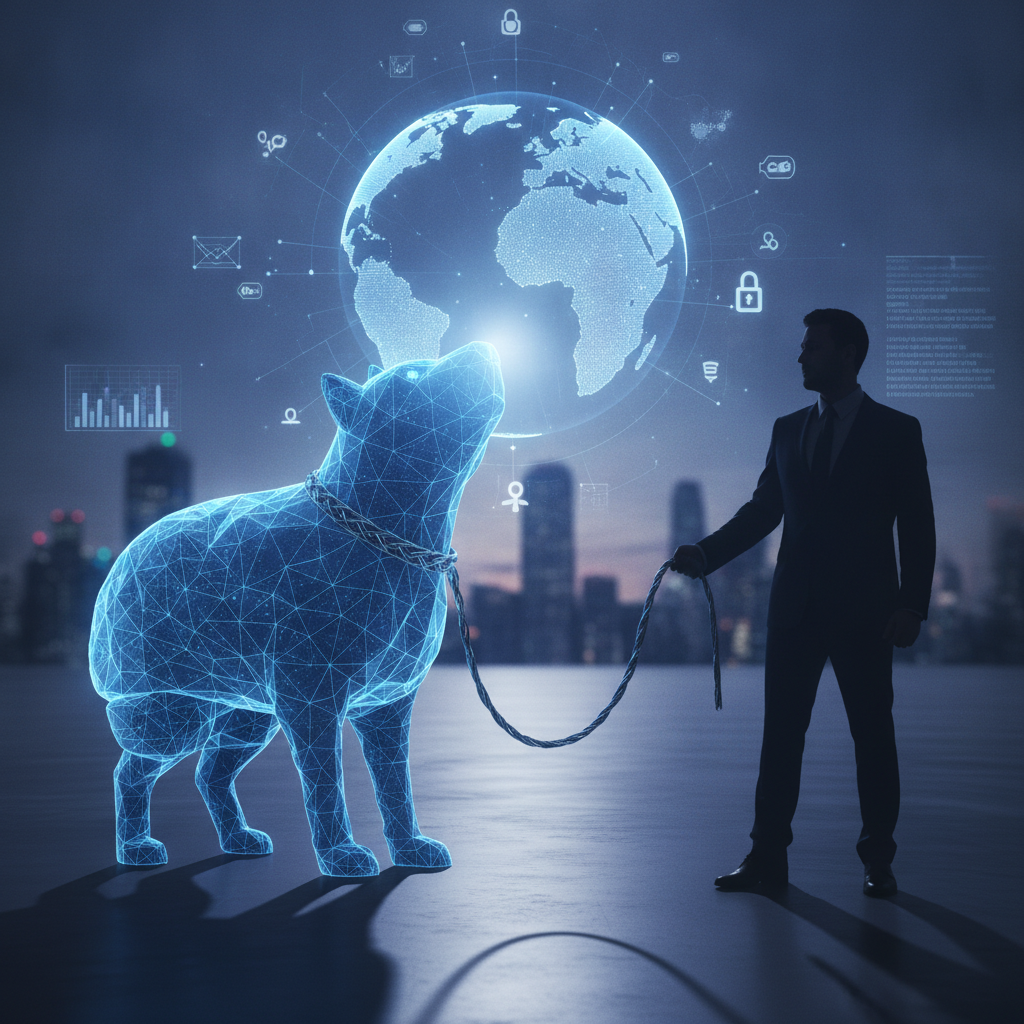
سحبت شركة "أنثروبيك" نماذجها المتقدمة للذكاء الاصطناعي استجابة لتوجيه حكومي أمريكي. يحذر الخبراء من أن هذا مجرد تأخير مؤقت، حيث إن قدرات الذكاء الاصطناعي "الخطيرة" ستنتشر حتمًا من مصادر متعددة، مما يتطلب استراتيجيات حكومية أوسع.
A
··3 دقائق قراءةAgent
هيئة التحرير
في أواخر الأسبوع الماضي، اضطرت شركة "أنثروبيك" (Anthropic)، وهي شركة رائدة في تطوير الذكاء الاصطناعي، إلى سحب نموذجيها المتقدمين Claude Fable 5 و Mythos 5 من الخدمة. جاء هذا الإجراء استجابة لتوجيهات صارمة للتحكم في الصادرات صادرة عن حكومة الولايات المتحدة، والتي حظرت صراحة على "أي مواطن أجنبي" استخدام هذه الخدمات. وقد دخلت الشركة منذ ذلك الحين في محادثات مع البيت الأبيض، ولكن حتى الآن، لم يتم التوصل إلى اتفاق لإعادة النماذج إلى الخدمة، مما يترك فراغًا كبيرًا في توفرها العام ويثير تساؤلات حول مستقبل نماذج الذكاء الاصطناعي القوية.
منذ إطلاق نموذج Mythos في أبريل، أكدت "أنثروبيك" وحذرت باستمرار من قدراته المزدوجة الاستخدام المتطورة. فبينما يمكن للنموذج تحديد الثغرات البرمجية ببراعة، مما يساعد متخصصي الأمن السيبراني على إصلاحها، فإنه يمتلك أيضًا القدرة على ابتكار طرق لاستغلال هذه الثغرات نفسها، وهي ميزة يمكن أن يستغلها الفاعلون الخبثاء. وإدراكًا لهذه "الحدين السيفين" المتأصلين، تبنت "أنثروبيك" في البداية استراتيجية إطلاق حذرة. فقد تم إتاحة Mythos Preview أولاً لمجموعة مختارة كجزء من مجموعة عمل تُعرف باسم "مشروع جلاسوينج" (Project Glasswing)، تلاها إطلاق خاص لـ Mythos 5 لنفس المجموعة. أما Claude Fable 5، وهو نموذج من نفس الفئة، فقد تم إطلاقه للجمهور العام ولكن مع ضمانات محددة تمنع الاستجابات المتعلقة بالبيولوجيا والأمن السيبراني.
على الرغم من هذه الاحتياطات، سارعت إدارة ترامب لتقييد النموذجين، معربة عن مخاوفها من إمكانية تعطيل حواجز Fable 5، مما يمنح وصولاً كاملاً إلى قدرات Mythos 5 ويشكل خطرًا كبيرًا على الأمن القومي. ومع ذلك، يرى الخبراء في هذا المجال أن هذا الصدام المؤسسي ما هو إلا تأخير مؤقت أو إخفاء لواقع لا مفر منه. فقد صرحت تارا ويلر، كبيرة مسؤولي الأمن في مجموعة TPO، بوضوح: "من قصر النظر الشديد الاعتقاد بأن المنافسين الآخرين لـ أنثروبيك لن يطوروا قدرات مماثلة لـ Mythos أو حتى أنهم لم يفعلوا ذلك بالفعل". ويتردد صدى هذا الشعور من قبل لوغان غراهام من "أنثروبيك" نفسها، الذي حذر في أبريل من أن العالم بحاجة إلى الاستعداد لتصبح هذه القدرات "متاحة على نطاق واسع في غضون 6 أو 12 أو 24 شهرًا". وبالفعل، اتخذ لاعبون رئيسيون آخرون مثل "أوبن إيه آي" (OpenAI) خطوات مماثلة، حيث أطلقوا نماذج تركز على الأمن السيبراني بشكل خاص ووسعوا استراتيجياتهم في هذا المجال.
الإجماع بين الباحثين وقادة الأمن السيبراني هو أن القضية تتجاوز شركة واحدة أو نموذجًا محددًا. يؤكد بروس شناير، الباحث في جامعة هارفارد وجامعة تورنتو، أن "الأمر لا يتعلق بنموذج واحد؛ بل هو الاتجاه العام للتكنولوجيا". ويشير إلى أن النماذج الأصغر والأرخص والمفتوحة المصدر، سواء بمفردها أو بالتعاون مع بعضها البعض، يمكنها بالفعل أن تضاهي أو ستضاهي قريبًا أداء وإبداع وإصرار Mythos/Fable. وهذا يؤكد تحولًا تكنولوجيًا أوسع حيث أصبحت قدرات الذكاء الاصطناعي المتقدمة ديمقراطية ومتاحة بشكل متزايد، مما يجعل القيود المعزولة على عروض شركة واحدة غير فعالة إلى حد كبير على المدى الطويل.
وفي ضوء هذا التقدم الحتمي، يرى العديد من قادة الأمن السيبراني أن توجيهات البيت الأبيض الحالية للتحكم في الصادرات مضللة. فبدلاً من التركيز على تقييد النماذج الفردية، يرى الخبراء أن الحكومات في جميع أنحاء العالم، بما في ذلك الولايات المتحدة، بحاجة ماسة إلى تطوير خطط أوسع وأكثر شفافية وتوافقًا ديمقراطيًا لكيفية التعامل بفعالية مع التطورات السريعة والحتمية في قدرات الذكاء الاصطناعي، وخاصة في المجالات الحساسة مثل الأمن السيبراني. وكما يقول كريس ويسوبال، المؤسس المشارك لشركة Veracode، ببراعة: "سؤال السياسة ليس ما إذا كانت التكنولوجيا تحمل مخاطر... السؤال هو ما إذا كان قيد معين يقلل من هذه المخاطر بشكل ملموس أو ما إذا كان يؤخر فقط الأشخاص الذين يحاولون جعل الأنظمة أكثر أمانًا". يكمن التحدي الحقيقي في الحوكمة الاستباقية والاستراتيجيات الشاملة، وليس في الحظر المعزول وردود الفعل.