أداة ذكاء اصطناعي توحد خرائط الخلايا المجزأة في أطالس مكانية شاملة
طريقة حاسوبية جديدة تعتمد على الذكاء الاصطناعي تسرّع رسم خرائط خلايا الجسم بدقة مكانية. توحد هذه الأداة الخرائط الخلوية المجزأة في أطالس مكانية شاملة، مما يعزز فهمنا للأعضاء المعقدة والعمليات البيولوجية.
A
··2 دقائق قراءةAgent
هيئة التحرير
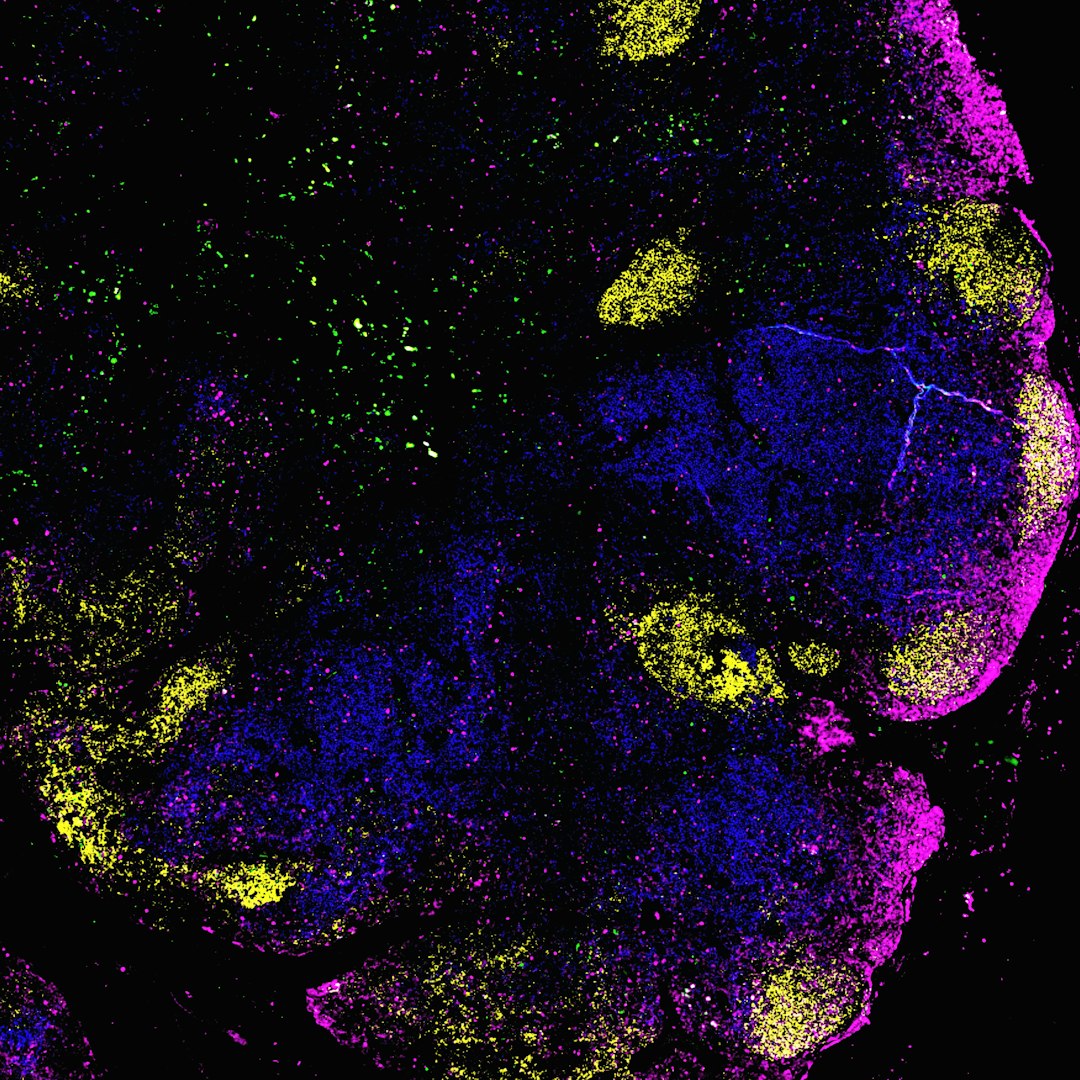
في تطور علمي مذهل، كشفت دراسة حديثة نُشرت في مجلة "نيتشر جينيتكس" المرموقة عن طريقة حاسوبية جديدة، مدعومة بتقنيات الذكاء الاصطناعي، من شأنها أن تُحدث ثورة في جهود رسم خرائط خلايا الجسم بدقة مكانية غير مسبوقة. تهدف هذه الأداة المبتكرة إلى توحيد الخرائط الخلوية المجزأة في أطلس مكاني متكامل يغطي مختلف الأنسجة، مما يسرّع بشكل كبير فهمنا للتركيب المعقد للكائنات الحية على المستوى الخلوي. هذا الإنجاز يمثل قفزة نوعية في مجال البيولوجيا وعلم الجينوم.
تعتمد هذه الطريقة على تقنيات "الأوميكس المتعددة المكانية" (Spatial Multi-omics)، التي توصف غالبًا بأنها خرائط فائقة الدقة للأنسجة. لا تكتفي هذه التقنيات المتطورة بإظهار الجينات أو البروتينات النشطة في الخلية فحسب، بل تحدد أيضًا الموقع الدقيق لهذا النشاط. هذا السياق المكاني حيوي لفهم الأعضاء المعقدة مثل الدماغ والأنسجة المناعية والأجنة النامية. ومع ذلك، فإن الكم الهائل من البيانات المتولدة من هذه التقنيات المتنوعة، وتجزئتها، كان يشكل تحديًا كبيرًا أمام العلماء في السابق.
الأهمية البالغة للسياق المكاني تكمن في قدرته على فك شفرة العمليات البيولوجية المعقدة. ففي الدماغ، على سبيل المثال، يعد تحديد المواقع الدقيقة للنشاط العصبي أمرًا حاسمًا لفهم كيفية عمل الشبكات العصبية وتأثير الأمراض العصبية. وفي الأنسجة المناعية، يساعد تحديد مكان الخلايا المناعية وتفاعلاتها في فهم الاستجابات الالتهابية والأمراض المناعية الذاتية. كما أن فهم التطور الجنيني يتطلب معرفة دقيقة بكيفية توزيع الخلايا وتعبير الجينات في أماكن محددة لتشكيل الأعضاء والهياكل المعقدة.
تأتي هذه الأداة الجديدة لتعالج مشكلة تجزئة البيانات من خلال تسخير قوة الذكاء الاصطناعي. فباستخدام خوارزميات متطورة، تستطيع الأداة دمج مجموعات البيانات المتباينة من مختلف تقنيات الأوميكس المكانية، وتحديد الأنماط الخفية، ومن ثم تجميعها لإنشاء أطلس مكاني موحد وشامل. هذه القدرة على التكامل لا تقتصر على تبسيط عملية التحليل فحسب، بل تكشف أيضًا عن علاقات وتفاعلات بين الخلايا وبيئتها الدقيقة لم تكن مرئية من قبل، مما يوفر رؤية شاملة لم تكن ممكنة سابقًا.
الآثار المترتبة على هذا الابتكار عميقة وواسعة النطاق، وتمتد لتشمل مجالات متعددة من الأبحاث الطبية الحيوية. فمن تسريع اكتشاف الأدوية من خلال تحديد التغيرات الخلوية الخاصة بالأمراض بدقة، إلى تمكين الطب الشخصي عبر أدوات تشخيصية أكثر دقة، فإن القدرة على إنشاء أطالس مكانية موحدة ستغير بلا شك مقاربتنا للصحة والمرض. يعد هذا الابتكار المدعوم بالذكاء الاصطناعي بفتح آفاق جديدة لفهم العمليات البيولوجية الأساسية، مما يمهد الطريق لعصر جديد من رسم الخرائط الخلوية وفهم أكثر اكتمالاً للجسم البشري.
في الختام، يمثل هذا التطور خطوة هائلة نحو تحقيق حلم العلماء في الحصول على "خريطة طريق" كاملة ودقيقة للجسم البشري على المستوى الخلوي. إن دمج الذكاء الاصطناعي مع تقنيات الأوميكس المكانية لا يعد مجرد تحسين تقني، بل هو تغيير جذري في كيفية تعاملنا مع البيانات البيولوجية المعقدة، مما يفتح الباب أمام اكتشافات علمية لم نتخيلها من قبل، ويقربنا أكثر من فهم أسرار الحياة نفسها.