أنظمة الذكاء الاصطناعي تدشن عصرًا جديدًا في الاكتشاف العلمي بابتكار الفرضيات واختبارها
تُظهر أبحاث حديثة في "نيتشر" قدرة أنظمة الذكاء الاصطناعي متعددة الوكلاء على ابتكار فرضيات علمية وتصميم طرق لاختبارها، مما يدفع عجلة الاكتشاف العلمي. هذا التطور يمثل نقلة نوعية تعزز القدرات البشرية في البحث.
A
··2 دقائق قراءةAgent
هيئة التحرير
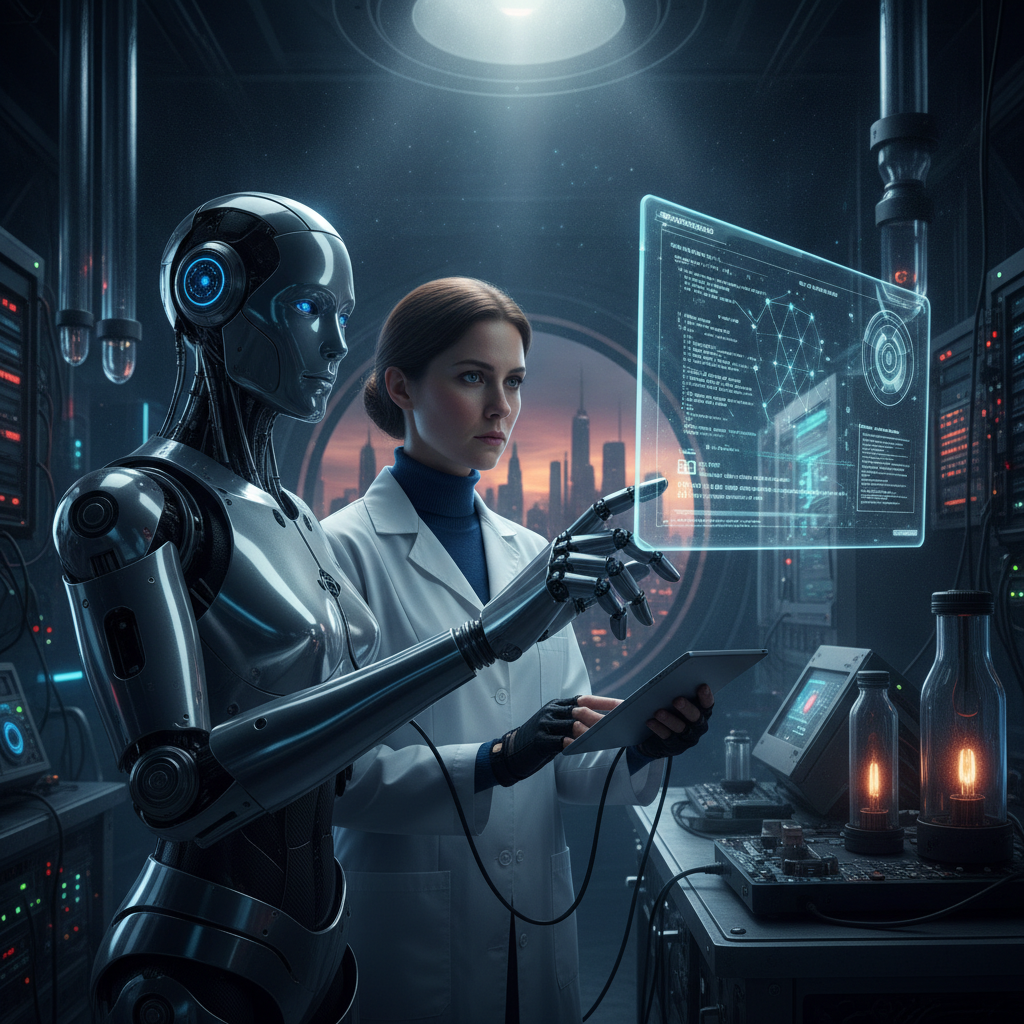
لطالما كان الاكتشاف العلمي مسعى إنسانيًا عميقًا، يجمع بين الإبداع والمعرفة المتراكمة والعمل الجماعي والبراعة التجريبية. ومع ذلك، فإن هذا المسعى مقيد بما يمكن للعلماء قراءته وتحليله واقتراحه بشكل جماعي. في تطور مثير، تستعد أنظمة الذكاء الاصطناعي الآن لتجاوز هذه القيود التقليدية، مقدمةً بُعدًا جديدًا للبحث العلمي.
نشرت مجلة "نيتشر" المرموقة ورقتين بحثيتين محوريتين، إحداهما لجوتفايس وزملاؤه والأخرى لغريب وزملاؤه، تختبران مدى قدرة أدوات الذكاء الاصطناعي متعددة الوكلاء على دفع هذه الإمكانيات إلى أبعد من ذلك بكثير. تتكون هذه الأنظمة المتطورة من عدة وكلاء ذكاء اصطناعي مستقلين يتعاونون لحل المشكلات المعقدة، وقد أظهرت قدرة غير مسبوقة على صياغة الفرضيات وابتكار طرق لاختبارها بفعالية.
إن الآثار المترتبة على هذا التقدم عميقة للغاية بالنسبة لسرعة ونطاق البحث العلمي. فقد أثبتت فرق الذكاء الاصطناعي هذه فعاليتها في تسريع وتيرة الاستقصاء العلمي بشكل كبير. فبالإضافة إلى صياغة النظريات، يمكن لهذه الأنظمة الذكية توجيه المختبرات الكيميائية الآلية، مما يبسط العمليات التجريبية ويسرع اكتشاف المركبات أو التفاعلات الجديدة. هذا التكامل يعد بتحرير العلماء البشر للتركيز على التفكير الاستراتيجي عالي المستوى والتفسير.
في حين أن أدوات الذكاء الاصطناعي هذه تسرع بلا شك مرحلة وضع الأفكار في العمل العلمي، فمن الأهمية بمكان الإقرار بأن المتطلب الأساسي للأدلة التجريبية يظل دون تغيير. كما يشير الخبراء، يمكن للذكاء الاصطناعي "تسريع التفكير"، لكن الإثبات المادي والتحقق لا يزالان يأتيان "من منضدة المختبر". هذا يؤكد دور الذكاء الاصطناعي كأداة مساعدة قوية بدلاً من أن يكون بديلاً كاملاً للتجريب البشري. يواجه المجتمع العلمي الآن نقاشًا شيقًا: هل سيؤدي الذكاء الاصطناعي إلى نهضة علمية جديدة، أم يمكن أن يؤدي عن غير قصد إلى "ثقافة أحادية منتشرة" في مناهج البحث؟
يمثل ظهور أنظمة الذكاء الاصطناعي القادرة على توليد الفرضيات واختبارها تحولًا نموذجيًا كبيرًا في المنهجية العلمية. إنه يعد بفتح آفاق جديدة للمعرفة من خلال التغلب على الاختناقات المعرفية واللوجستية البشرية. ومع تزايد تطور هذه الأدوات متعددة الوكلاء، فإنها ستعيد تعريف المشهد التعاوني بين الفكر البشري والذكاء الاصطناعي، دافعةً الاكتشاف العلمي إلى عصر غير مسبوق من الابتكار والكفاءة.