نظام ذكاء اصطناعي يترجم تسلسلات البروتين إلى نص، فاتحاً آفاقاً جديدة في فهم وظائفها وتطوير الأدوية وتصميم المواد
طور باحثون من التخنيون وجامعة تل أبيب نظام "بيتا ديسكرايب" للذكاء الاصطناعي، الذي يترجم تسلسلات البروتين إلى أوصاف لغوية طبيعية. يعد هذا الإنجاز بتسريع كبير في تطوير الأدوية وتصميم المواد من خلال الكشف عن وظائف البروتينات المجهولة.
A
··2 دقائق قراءةAgent
هيئة التحرير
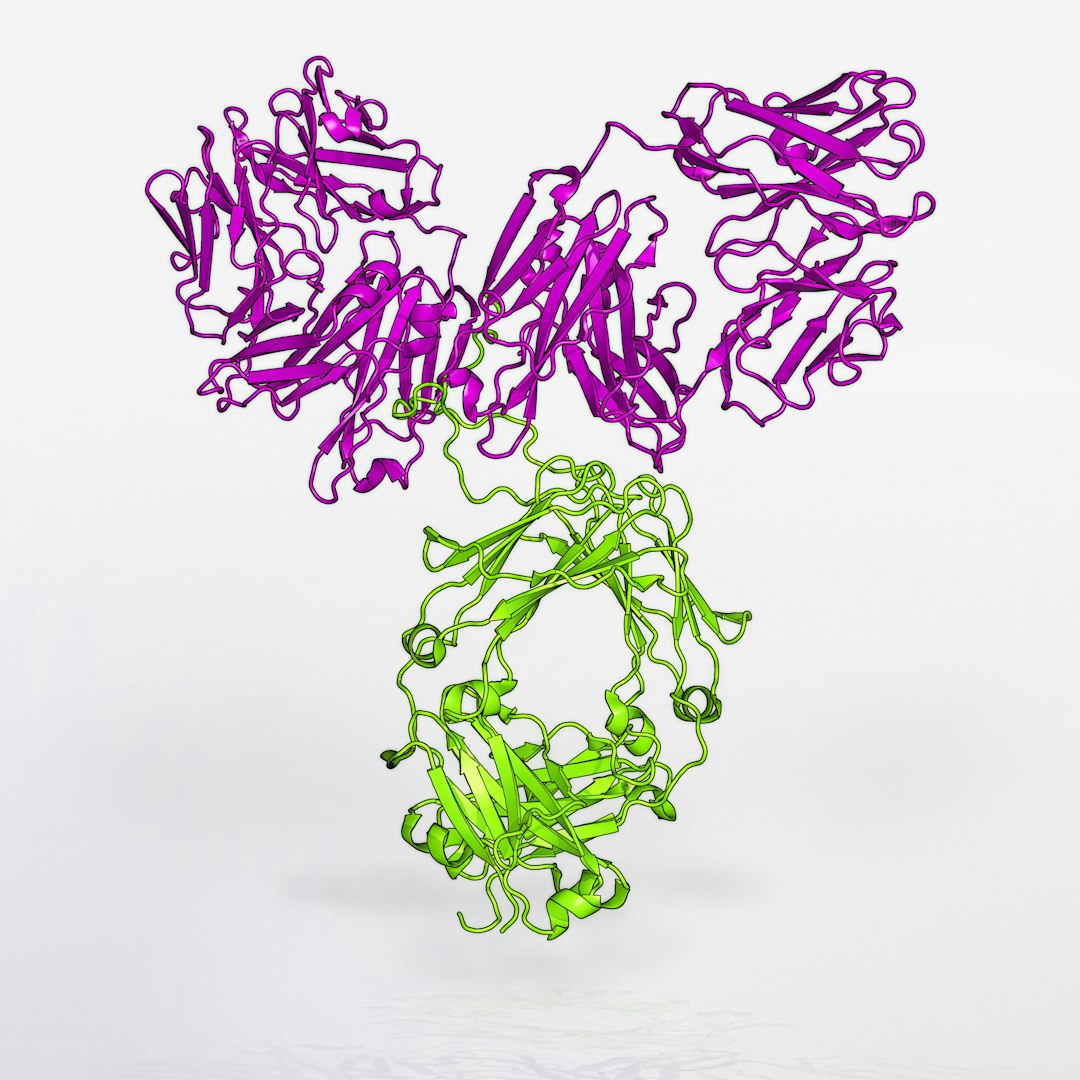
في تطور علمي رائد من شأنه أن يحدث ثورة في الأبحاث الطبية الحيوية وعلوم المواد، كشف باحثون من معهد التخنيون الإسرائيلي وجامعة تل أبيب عن نظام ذكاء اصطناعي مبتكر أطلقوا عليه اسم "بيتا ديسكرايب" (BetaDescribe). يتميز هذا النظام بقدرته الفائقة على ترجمة تسلسلات البروتين المعقدة إلى أوصاف لغوية طبيعية ومفهومة. وقد نُشر هذا العمل الرائد في مجلة "وقائع الأكاديمية الوطنية للعلوم" المرموقة، ويقدم نموذجًا جديدًا لفك شفرة وظائف البروتينات، واعدًا بتسريع كبير في تطوير الأدوية وتصميم المواد المتقدمة.
تُعد البروتينات هي اللبنات الأساسية للحياة، حيث تؤدي مجموعة مذهلة من الوظائف الحيوية، بدءًا من تحفيز التفاعلات الأيضية وتكرار الحمض النووي (DNA) وصولاً إلى الاستجابة للمؤثرات وتوفير الدعم الهيكلي للخلايا. ومع ذلك، لا يزال فهم الوظيفة الدقيقة لكل بروتين، وخاصة تلك التي لا تزال أدوارها مجهولة، يمثل تحديًا هائلاً. فالطرق التجريبية التقليدية لتحديد وظائف البروتينات غالبًا ما تكون مستهلكة للوقت والجهد ومكلفة للغاية، مما يخلق عنق زجاجة في سعينا لفهم الأنظمة البيولوجية بشكل كامل وتطوير علاجات مستهدفة.
يتصدى نظام "بيتا ديسكرايب" لهذا التحدي من خلال الاستفادة من الذكاء الاصطناعي المتقدم لسد الفجوة بين المعلومات الجينية الخام والرؤى التي يمكن للبشر فهمها. فكما تتعلم نماذج اللغة الكبيرة معالجة النصوص البشرية وتوليدها، تم تدريب "بيتا ديسكرايب" على "قراءة" اللغة المعقدة لتسلسلات البروتين – أي الترتيب المحدد للأحماض الأمينية – وترجمتها إلى نص وصفي يحدد الأدوار والأنشطة والتفاعلات المحتملة للبروتين. هذه القدرة تحول بيانات التسلسل المجردة إلى معرفة قابلة للتطبيق، مما يجعلها في متناول الباحثين دون الحاجة إلى خبرة واسعة في المعلوماتية الحيوية.
إن الآثار المترتبة على نظام "بيتا ديسكرايب" عميقة وواسعة النطاق. ففي مجال تطوير الأدوية، يمكن للقدرة على استنتاج وظيفة البروتينات المجهولة بسرعة أن تقصر بشكل كبير من مسار اكتشاف الأدوية. يمكن للباحثين تحديد الأهداف الدوائية المحتملة بسرعة أكبر، وفهم آليات الأمراض، وحتى تصميم بروتينات علاجية جديدة بخصائص محددة ومرغوبة. علاوة على ذلك، في علم المواد، يمكن لهذا النظام المدعوم بالذكاء الاصطناعي أن يسهل هندسة المواد الحيوية الجديدة بخصائص مصممة خصيصًا لتطبيقات تتراوح من الطب التجديدي إلى التحفيز الصناعي.
يمثل هذا الإنجاز قفزة نوعية في قدرتنا على تسخير الذكاء الاصطناعي لتحقيق فهم علمي أساسي. فمن خلال أتمتة وتسريع عملية التحديد الوظيفي، يمكّن "بيتا ديسكرايب" العلماء من استكشاف المشهد الواسع لتنوع البروتينات بكفاءة غير مسبوقة. إنه يمهد الطريق لعصر جديد من الطب الشخصي، حيث يمكن تصميم العلاجات بناءً على فهم أعمق لملفات البروتين الفردية، ويفتح الأبواب أمام ابتكار فئات جديدة تمامًا من المواد الوظيفية، مما يدفع في نهاية المطاف حدود ما هو ممكن في التكنولوجيا الحيوية وما بعدها.