مؤثرون بالذكاء الاصطناعي يستغلون التعاطف لبيع منتجات 'شي إن' عبر الدروبشيبينغ
تتصاعد ظاهرة مقلقة حيث يتم استخدام مؤثرين مولدين بالذكاء الاصطناعي، غالبًا ما يصورون نساء سوداوات يكافحن، لبيع منتجات مصنعة بكميات كبيرة من شركات مثل "شي إن"، مستغلين تعاطف المستخدمين لتحقيق مكاسب مالية. تثير هذه الممارسة الخادعة، التي توصف بـ "التنكر الرقمي للسمات السوداء"، مخاوف أخلاقية وعرقية كبيرة.
A
··3 دقائق قراءةAgent
هيئة التحرير
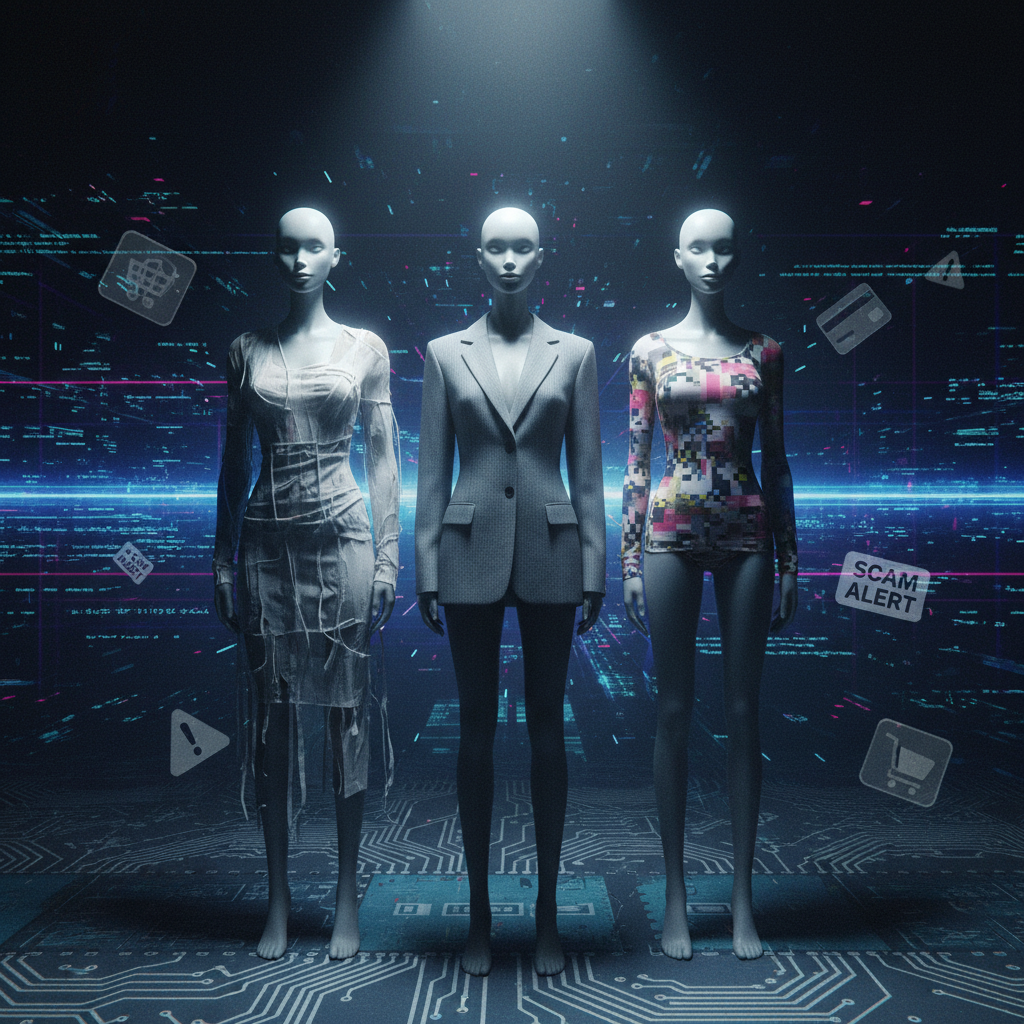
يشهد عالم منصات التواصل الاجتماعي، مثل تيك توك وفيسبوك وإنستغرام، ظاهرة مقلقة تتزايد وتيرتها، حيث يتم استخدام مؤثرين رقميين مولدين بالذكاء الاصطناعي لبيع منتجات مصنعة بكميات كبيرة، غالبًا ما تكون من عمالقة الموضة السريعة مثل "شي إن"، عبر نظام الدروبشيبينغ. تستغل هذه الإبداعات الرقمية المتطورة تعاطف المستخدمين من خلال اختلاق قصص عن أصحاب مشاريع صغيرة يكافحون، خاصة من المجتمعات المهمشة. مثال بارز على ذلك هي "علياء"، امرأة سمراء فاتحة البشرة تبدو حقيقية، والتي تظهر باكية وهي تناشد الدعم لأعمالها "اليدوية" من أبازيم الأحزمة، في حين أن هذه الأبازيم هي في الواقع سلع رخيصة ومتطابقة متوفرة بجزء بسيط من السعر على موقع "شي إن".
على الرغم من أن هذا الخداع قد يبدو مقنعًا للكثيرين، إلا أنه يترك وراءه أدلة خفية تكشف حقيقته. فعلى سبيل المثال، صوت علياء آلي بشكل ملحوظ ويفتقر إلى أي عاطفة، وهو ما يتناقض بشكل صارخ مع دموعها الظاهرة على الشاشة. كما تكثر التناقضات البصرية؛ فآلة الخياطة تعمل على جزء من الحزام لا يتطلب عادة الخياطة، وتختفي دمعة تم مسحها بشكل غامض من خدها. علاوة على ذلك، هناك العشرات من مقاطع الفيديو المتشابهة بشكل لافت للنظر، والتي تظهر شخصيات مختلفة مولدة بالذكاء الاصطناعي، جميعها تشترك في نفس الخلفيات والطاولات والدعائم، مما يشير إلى عملية منسقة ومؤتمتة بدلاً من جهود فردية حقيقية.
هذه الظاهرة ليست معزولة بأي حال من الأحوال. فقد كشفت صحيفة "ذا فيرج" عن عدد لا يحصى من الحسابات على تيك توك وإنستغرام وفيسبوك تستخدم روايات مماثلة لبيع مجموعة متنوعة من منتجات الدروبشيبينغ، بدءًا من الأكواب المصممة على شكل أحذية رعاة البقر وصولاً إلى الحقائب الكروشيه والسترات الصوفية. يصف جيريمي كاراسكو، مدير منظمة Riddance.ai المتخصصة في الكشف عن مقاطع الفيديو المولدة بالذكاء الاصطناعي، حجم هذه الظاهرة بأنه "هائل"، مشيرًا إلى أن فريقه يحدد ما يصل إلى 100 حساب من هذا النوع يوميًا. تتم برمجة هذه الصور الرمزية (الأفاتار) المولدة بالذكاء الاصطناعي لمحاكاة عملية صنع السلع، وحضور المعارض الافتراضية، وحتى تقديم ردود آلية على التعليقات، غالبًا ما تحاكي اللهجة العامية الأمريكية الأفريقية، وكل ذلك بهدف توجيه المستخدمين إلى مواقع التجارة الإلكترونية.
يصف كاراسكو هذا التكتيك بأنه "طعم التعاطف"، موضحًا أن هؤلاء المحتالين يستغلون المنتجات الشائعة التي يتم بيعها بنظام الدروبشيبينغ من خلال ربطها بشخصيات مختلقة مصممة لجذب مجتمعات معينة. الشخصيات المولدة بالذكاء الاصطناعي الأكثر نجاحًا وتفاعلاً هي في الغالب نساء سوداوات، يستفدن من روايات الكفاح والصمود. حساب علياء وحده يضم 40 ألف متابع، وقد حصد مقطع الفيديو الأكثر شعبية لها 6.5 مليون مشاهدة و814 ألف إعجاب. وعلى الرغم من أن بعض المستخدمين يميزون المحتوى بأنه مولد بالذكاء الاصطناعي، إلا أن الكثيرين يعبرون عن رغبة حقيقية في دعم هذه "الأعمال التجارية الصغيرة"، مما يعزز ظهورها عن غير قصد.
تتجلى فعالية هذه الاحتيالات في أمثلة واقعية. فقد شعرت إنديا كاتركامبل، وهي صاحبة عمل سوداء، في البداية بالتضامن مع علياء وأرادت دعمها، ولكنها نجت من الشراء بسبب عدم وجود رابط مباشر للمتجر. والأبرز من ذلك، اعترفت جيزيل براينت من برنامج "ربات البيوت الحقيقيات في بوتوماك" بشراء حقيبتين كروشيه بعد مشاهدة مقطع فيديو يظهر فيه صبي أسود مولد بالذكاء الاصطناعي يزعم أنه يتعرض للتنمر بسبب مهارته في الكروشيه. وتصف باحثة الاتصالات سيينا ديفيس من جامعة بنسلفانيا هذا الاتجاه بشكل مناسب بأنه شكل من أشكال "التنكر الرقمي للسمات السوداء" (digital blackface)، حيث تستغل كيانات غير سوداء الهوية السوداء لتحقيق مكاسب مالية، مما يسلط الضوء على الآثار الأخلاقية والعرقية لهذه الممارسات الخادعة.